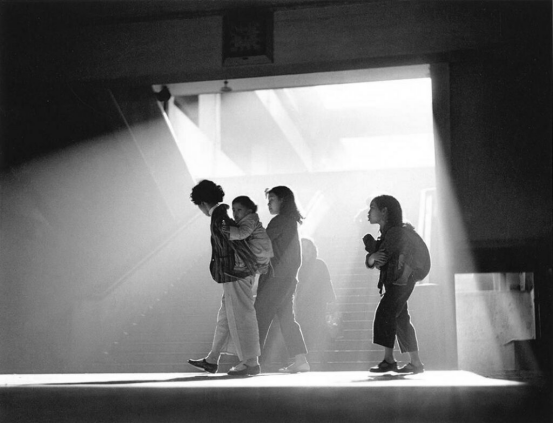
In the heart of Hsinchu, Taiwan, lies a building deeply rooted in the city’s memories: the Hsinchu Historic Cinema. While it may not boast the massive IMAX screens and comfortable seats of modern cinemas, its aging walls, vintage ticket windows, and the laughter and applause that once echoed through the screening rooms represent nearly a century of Hsinchu’s cinematic history. The cinema’s history traverses the city’s transformation, from its inception during the Japanese colonial era to its postwar golden age, and on to its current resilience and transformation amidst the tides of time. Like an open old movie poster, each page captures the stories of Hsinchu residents’ youth and homesickness.
The beginnings of the Japanese colonial era: from an “entertainment hub” to a city symbol
The story of Hsinchu’s historic cinema begins during the Japanese colonial period in the early 20th century. At the time, Hsinchu was a major town in northern Taiwan. With the opening of railways and the development of commerce, the residents’ demand for entertainment gradually increased. Around the 1920s, this cinema emerged as a major entertainment center for Hsinchu residents, initially screening Japanese films and documentaries.
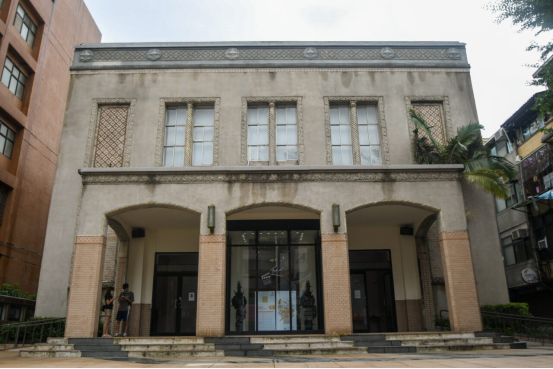
The cinema’s architectural style is characterized by a fusion of Japanese and Western elements. The roof features a typical Japanese hip roof, covered in dark gray tiles, and the eaves are decorated with wooden carvings. Western-style red bricks are used for the walls, and the arched doors and windows are accented with white lines, embodying the gentleness of Japanese architecture and the solemnity of Western architecture. The cinema was not large, with only one screening room, furnished with wooden benches, accommodating a maximum of 200 people. The projection equipment was largely imported, and before each screening, the staff had to adjust the film, occasionally encountering film jams or blurred images, but these minor flaws did not dampen the public’s enthusiasm for watching movies. For the people of Hsinchu, being able to glimpse the distant world through the screen in a dimly lit theater was the most attractive entertainment activity at the time.
During the Japanese colonial period, cinemas weren’t just places to watch movies; they gradually became “public spaces” for socializing and cultural exchange in Hsinchu. Every weekend, Japanese citizens dressed in kimonos would flock to the cinema alongside local residents. Between screenings, they would grab a bowl of shaved ice or a skewer of oden from the small vendors at the entrance, enjoying the meal and discussing the film. The cinema, invisibly, became a witness to Hsinchu’s multicultural integration.
The Postwar Golden Age: Joys and sorrows on screen and the growth of cities
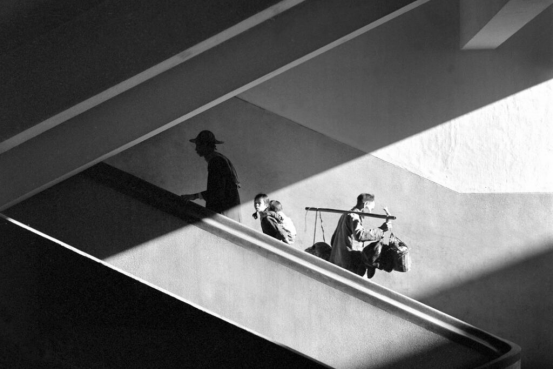
Following Taiwan’s liberation in 1945, the Hsinchu Historical Cinema entered its “golden age” as cultural exchange resumed. With the introduction of Hollywood films, the cinema’s programming became increasingly diverse: from mainland China’s anti-Japanese war films to Hong Kong martial arts films and American westerns, the genres and styles of films gradually diversified, attracting audiences of all ages in Hsinchu.
During this period, the cinema underwent renovations. Wooden benches were replaced with individual chairs with backrests, increasing the seating capacity to over 300. The projection equipment was also upgraded. The picture was clearer, the sound more three-dimensional, and the cinematic experience was greatly enhanced. A neon sign, displaying the cinema’s name in both Traditional Chinese and English, was also installed at the entrance. When lit at night, it became the most eye-catching landmark in Hsinchu’s old town.
For many Hsinchu residents, the cinema carries too many youthful memories: some couples go on their first date to watch a romantic love movie here; some students go to watch a martial arts movie with friends after taking exams and cheer for the knights on the screen; the older generation prefers to watch films with local themes, seeing the familiar scenery of their hometown on the screen and feeling a deep sense of belonging.
This cinema is more than just an entertainment venue; it also plays a crucial role in cultural dissemination. Through films from various regions, Hsinchu residents are able to understand changes in the outside world, from Hong Kong’s urbanization process to America’s technological innovation to mainland China’s cultural landscape. The cinema not only enriches residents’ entertainment life but also subtly influences their values and worldview.
Transformation in the tide of the times: from “movie viewing venue” to “memory carrier”
Over time, the proliferation of home entertainment options like television, VCDs, and DVDs, along with the rise of streaming platforms, has gradually challenged traditional cinemas. Hsinchu’s historic cinema was no exception, facing declining attendance, aging projection equipment, and a decline in its competitiveness. After 2000, rumors circulated that the cinema would be demolished and converted into a commercial building, sparking widespread opposition from Hsinchu residents.
Many longtime residents shared their personal stories about the cinema: some watched their first movie there, others enjoyed a first date with their spouse, and still others reminisced about times spent in the theater with their father. These sentimental stories captured the attention of the local government and cultural authorities, who ultimately decided to carry out a “conservation restoration” of the cinema—preserving its original architectural style while upgrading its interior facilities and transforming it into a cultural space combining a “historical cinema museum” with a “mini-screening hall.”
Today, the Hsinchu Historic Cinema retains its historical influences while incorporating modern elements. The exterior retains its familiar red brick facade and arched doors and windows, and the neon sign at the entrance has been restored and is now illuminated. Inside, an exhibition area showcases projection equipment from different eras, movie posters, and vintage tickets, allowing viewers to more directly experience the theater’s history. The small screening room still regularly screens classic films, attracting nostalgic audiences and young people interested in history.
During holidays, the theater is always packed: older generations, accompanied by their grandchildren, point out old artifacts in the exhibition area and recount stories of the past; while young people, cameras in hand, stand before the retro ticket windows and neon signs, snapping photos and checking in, soaking up the unique charm of the old theater. Today, this theater is more than just a place to watch movies; it has become a cultural landmark and a carrier of memories for Hsinchu, carrying the city’s history and connecting the past with the future.
Epilogue: Light and shadow remain, memories last forever
Standing in front of the Hsinchu Historic Cinema, watching the crowds pass by, listening to the classic film dialogues emanating from the screening room, it’s as if I’ve traveled back in time, feeling the laughter and tears shared by thousands of Hsinchu residents over the past century. Like a silent guardian, this old cinema has witnessed the transformation of Hsinchu and safeguarded the memories of generations of Hsinchu residents.
Amid the fast pace of modern life, the Hsinchu Historic Cinema stands as a reminder that some buildings are more than just concrete; they are carriers of culture and emotion. They use light and shadow to tell the story of a city, and through time, they capture the warmth of life. While more modern cinemas may emerge in the future, the place this historic cinema holds in the hearts of Hsinchu residents will never be replaced. More than just a building, it represents a passage of time, a sense of nostalgia, and a city sentiment woven into the fabric of our very being.
I hope this old cinema will always stand in the old city of Hsinchu, so that more people can feel the charm of light and shadow here, and let the history and memory of Hsinchu always be alive in the flow of the screen.