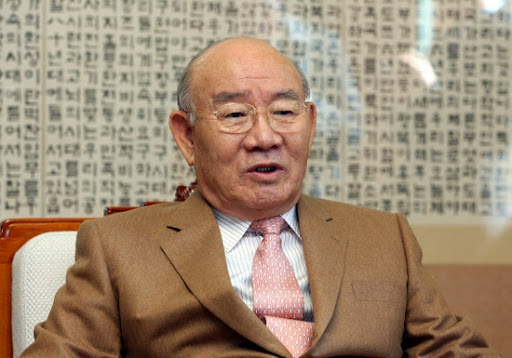
The narrative of Chun Doo-hwan, a figure whose name evokes both economic progress and profound human rights abuses in South Korea, is a compelling study in power, ambition, and the complex forces that shape a nation’s destiny. Born into a poor farming family, his trajectory from a marginalized teenager to the nation’s president was anything but ordinary, marked by military coups, political purges, and a transformative yet controversial presidency. This ultimate guide unpacks the intricate layers of Chun’s life, exploring the historical backdrop against which he rose, the mechanisms of his authoritarian rule, and the indelible mark he left on South Korea’s journey towards democracy and economic prosperity. Understanding Chun Doo-hwan is essential for grasping the nuances of modern South Korean political history and the ongoing debates surrounding justice, reconciliation, and national memory.
The Early Years and Military Ascent: Forging a Path to Power
Chun Doo-hwan’s early life, far from the corridors of power he would later inhabit, was characterized by poverty and the societal challenges faced by many in post-colonial Korea. Born in 1931 in Hapcheon, South Gyeongsang Province, his family’s humble circumstances instilled in him a strong sense of ambition and a drive for upward mobility. The military, at the time, offered a clear pathway for individuals from less privileged backgrounds to gain education, status, and influence. This “why” behind his choice to join the Korea Military Academy (KMA) in 1951, during the Korean War, is crucial; it represented not just a career but a profound opportunity for personal and national advancement in a rapidly changing world. His rigorous training and subsequent service laid the groundwork for his future political and military dominance.
From Humble Beginnings to Elite Military Training
Chun’s time at the KMA, specifically as part of its 11th class, proved to be a pivotal period. It was here that he forged critical relationships with future key figures, including Roh Tae-woo, another future president, and others who would form the core of the Hanahoe (One Mind Society), a powerful secret society within the military. This network, built on loyalty and shared ambition, would later become instrumental in his rise to power. His military career saw him participate in the Vietnam War, where he gained combat experience and further solidified his reputation as a capable, if ruthless, leader. The experience honed his strategic thinking and command capabilities, preparing him for the tumultuous political landscape that awaited him in South Korea.
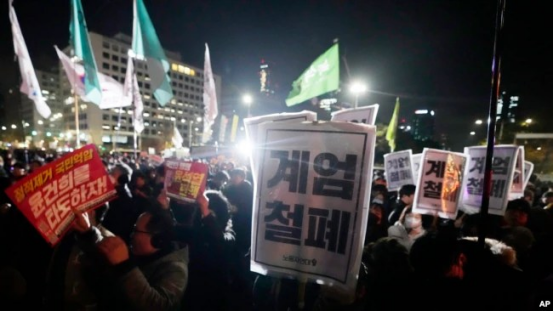
Seizing Power: The Coup of December 12th and the Gwangju Uprising
The assassination of President Park Chung-hee in October 1979 plunged South Korea into a period of acute political uncertainty, creating a power vacuum that Chun Doo-hwan was poised to exploit. As head of the Defense Security Command, Chun was tasked with investigating Park’s death, a position he leveraged to consolidate his own power within the military. This period, often referred to as the “Seoul Spring,” saw a brief flourishing of democratic aspirations and student protests, quickly stifled by Chun’s calculated moves. His actions were driven by a belief in the necessity of strong leadership to prevent national instability, a conviction deeply rooted in his military background and the perceived weakness of civilian leadership.
The Assassination of Park Chung-hee and the Power Vacuum
Park Chung-hee’s authoritarian rule had defined South Korean politics for nearly two decades. His sudden demise left a nation grappling with its future, with various factions vying for control. Chun Doo-hwan, alongside his Hanahoe allies, executed the December 12th military coup in 1979, swiftly neutralizing rival military commanders and effectively seizing control of the armed forces. This move, carried out under the guise of restoring order, was a clear demonstration of his strategic acumen and willingness to use force to achieve his objectives. It marked the end of any immediate hopes for a democratic transition and ushered in a new era of military dominance.
The Gwangju Uprising: A Dark Chapter
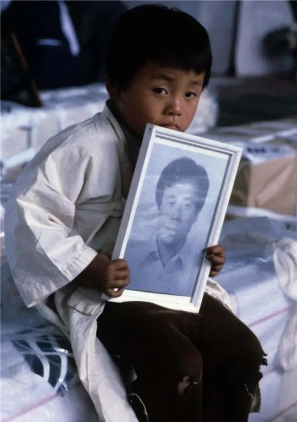
The most tragic and controversial event associated with Chun’s rise was the Gwangju Uprising in May 1980. As students and citizens in Gwangju protested against martial law and Chun’s consolidation of power, the military responded with brutal force, resulting in hundreds, possibly thousands, of civilian deaths. This event remains a deep wound in South Korean history, symbolizing the extreme repression of dissent under Chun’s regime. The “why” of the severity of the crackdown is often attributed to a fear of widespread rebellion and a determination to crush any opposition that could derail his path to the presidency. The handling of Gwangju cemented international condemnation and fueled internal opposition that would eventually contribute to his downfall.
The Fifth Republic: Authoritarian Rule and Economic Transformation
Having consolidated power, Chun Doo-hwan formally established the Fifth Republic in 1981, becoming president through an indirect election system that ensured his victory. His presidency was characterized by a paradoxical blend of strict authoritarian control and significant economic development. He sought to legitimize his rule by emphasizing national security, social stability, and continued economic growth, framing these as essential for South Korea’s survival and prosperity. The underlying principle was that a strong, centralized government was necessary to guide the nation, even at the cost of individual liberties and democratic processes.
Economic Policies and Social Engineering
Chun’s economic policies largely continued the export-oriented growth model initiated by Park Chung-hee, focusing on heavy industries and technological advancement. His administration implemented structural adjustments, controlled inflation, and fostered an environment conducive to corporate expansion, which significantly contributed to South Korea’s rapid industrialization and entry into the ranks of developed nations. Simultaneously, his regime engaged in extensive “social purification” campaigns, ostensibly aimed at eradicating corruption and social ills, but often used to suppress dissent and consolidate state control over civil society. These campaigns included forced re-education programs and crackdowns on perceived “undesirables,” reflecting a deep-seated belief in social engineering to create a disciplined populace.
The Path to Democracy and Post-Presidency Trials
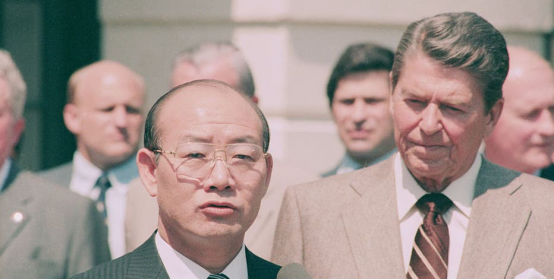
Despite his firm grip on power, Chun Doo-hwan’s regime faced increasing internal and external pressure for democratic reforms. The legacy of Gwangju, coupled with a growing middle class demanding greater political freedoms, fueled a powerful pro-democracy movement. The “why” behind the eventual transition lies in the relentless efforts of civil society, student activists, and opposition leaders, culminating in the historic events of 1987. This period demonstrated the limits of authoritarian rule in a society that had achieved significant economic progress and now yearned for political maturity.
The June Democracy Movement and Peaceful Transition
The June Democracy Movement of 1987, sparked by the death of a student activist under police torture and Chun’s attempt to handpick his successor, forced his hand. Massive street protests and widespread public outcry led to the “June 29 Declaration” by his chosen successor, Roh Tae-woo, promising direct presidential elections and other democratic reforms. This pivotal moment allowed for a peaceful transition of power and the establishment of a truly democratic system in South Korea, marking a significant turning point away from decades of military rule.
Chun Doo-hwan’s Enduring Legacy and Historical Reassessment
Chun Doo-hwan’s post-presidency life was marked by disgrace, legal battles, and public condemnation. Accused of treason, mutiny, and corruption related to the December 12th coup and the Gwangju Uprising, he was eventually convicted in 1996 and sentenced to death, later commuted to life imprisonment and then pardoned in 1997. His refusal to fully acknowledge his responsibility for Gwangju and his perceived lack of remorse continued to be a source of national pain and controversy until his death in 2021. His legacy is deeply contested, reflecting the ongoing struggle in South Korea to reconcile its rapid modernization with its authoritarian past.
Controversy, Reconciliation, and the Future of South Korean Democracy
Chun Doo-hwan remains a divisive figure. While some credit him with maintaining stability and fostering economic growth during a critical period, others condemn him as a brutal dictator who suppressed democracy and committed unforgivable atrocities. The historical reassessment of his era continues, with efforts to ensure that the victims of Gwangju receive justice and that the lessons of authoritarianism are never forgotten. His life serves as a potent reminder of the fragility of democracy and the constant vigilance required to uphold human rights and constitutional principles.
Key Milestones in Chun Doo-hwan’s Political Career: A Chronological Overview
| Year | Event | Significance |
|---|---|---|
| 1951 | Graduates Korea Military Academy (11th Class) | Forms critical alliances, lays foundation for military career. |
| 1979 (Oct) | Park Chung-hee Assassinated | Power vacuum created, Chun leverages position as head of Defense Security Command. |
| 1979 (Dec) | December 12th Military Coup | Chun seizes de facto control of the military, consolidating power. |
| 1980 (May) | Gwangju Uprising | Brutal suppression of pro-democracy protests, leading to significant civilian casualties. |
| 1981 | Inaugurated as President of the Fifth Republic | Formalizes authoritarian rule after an indirect election. |
| 1987 (Jun) | June Democracy Movement | Massive protests force democratic reforms, including direct presidential elections. |
| 1988 | Steps down from Presidency | Peaceful transfer of power to Roh Tae-woo, marking end of military rule. |
| 1996 | Convicted for Mutiny, Treason, and Corruption | Sentenced to death (later commuted) for actions during coup and Gwangju. |
| 1997 | Pardoned by President Kim Young-sam | Released from prison, decision aimed at national reconciliation. |
| 2021 | Dies at age 90 | Leaves a complex and controversial legacy in South Korean history. |
Expert Insights: Navigating Complex Political Legacies
- Understand the Context: Always analyze historical figures within the specific political, social, and economic context of their time. Chun’s actions, while condemned today, were influenced by Cold War dynamics, perceived threats from North Korea, and a prevailing belief in strong leadership for nation-building.
- Separate Policy from Ethics: It’s possible to acknowledge economic achievements (e.g., control of inflation, industrial growth) while simultaneously condemning human rights abuses and the subversion of democratic processes. A holistic view requires this distinction.
- Recognize the Long-Term Impact: Authoritarian periods, even those with economic successes, often leave deep scars. The Gwangju Uprising, for instance, continues to shape South Korean political discourse and identity, demonstrating the enduring consequences of state violence.
- Embrace Nuance in Legacy: Few historical figures are purely good or evil. Chun Doo-hwan’s legacy is a testament to this complexity – a blend of modernizing efforts and brutal repression. Future generations must grapple with this dual nature to learn from history.
- Prioritize Democratic Institutions: The ultimate lesson from Chun’s era is the critical importance of robust democratic institutions, rule of law, and a vigilant civil society to prevent the abuse of power and ensure accountability.
Frequently Asked Questions (FAQ)
What was the “Hanahoe” and its significance to Chun Doo-hwan? The Hanahoe (One Mind Society) was a powerful, clandestine group of South Korean military officers formed in the early 1960s, primarily by graduates of the 11th class of the Korea Military Academy, including Chun Doo-hwan and Roh Tae-woo. It served as a network of loyalists within the armed forces, fostering strong personal bonds and mutual support. This society was instrumental in Chun’s ability to orchestrate the December 12th military coup in 1979, as its members occupied key positions and ensured the swift neutralization of rival commanders, effectively paving his path to power. How did Chun Doo-hwan justify his seizure of power and authoritarian rule? Chun Doo-hwan justified his actions by appealing to national security and stability, particularly in the chaotic aftermath of President Park Chung-hee’s assassination. He argued that a strong, centralized leadership was necessary to prevent anarchy, counter threats from North Korea, and ensure continued economic growth. His administration often framed democratic dissent as a threat to national unity and a destabilizing force, using these pretexts to implement martial law, suppress opposition, and legitimize his authoritarian Fifth Republic. What were the main economic achievements and criticisms of Chun Doo-hwan’s presidency? Economically, Chun’s presidency is credited with maintaining robust growth, controlling inflation, and continuing South Korea’s industrialization drive, including significant investments in technology and infrastructure. His policies contributed to the nation’s “economic miracle.” However, criticisms primarily revolve around the ethical costs of this growth. His regime achieved these goals through authoritarian means, often suppressing labor rights, controlling information, and prioritizing state-directed development over individual freedoms, leading to accusations of corruption and cronyism. What was the Gwangju Uprising, and how did it impact Chun Doo-hwan’s legacy? The Gwangju Uprising was a democratic movement in May 1980, where citizens of Gwangju protested against martial law and Chun’s illegal seizure of power. The military’s brutal crackdown resulted in a massacre of civilians, making it one of the darkest chapters in modern South Korean history. The uprising profoundly tarnished Chun Doo-hwan’s legacy, cementing his image as a ruthless dictator who prioritized power over human lives. It became a powerful symbol of resistance against authoritarianism and a rallying cry for the later democracy movements that ultimately led to his downfall and conviction. How did Chun Doo-hwan’s presidency ultimately conclude, and what was his fate? Chun Doo-hwan’s presidency ended in 1988 due to immense public pressure from the June Democracy Movement of 1987, which forced him to accept democratic reforms, including direct presidential elections. He stepped down and transferred power to his hand-picked successor, Roh Tae-woo, who won the subsequent election. In his post-presidency, Chun faced legal trials for his role in the December 12th coup, the Gwangju Uprising, and corruption. He was convicted in 1996 and sentenced to death (later commuted to life imprisonment), eventually receiving a presidential pardon in 1997. He remained a controversial and largely unrepentant figure until his death in 2021.