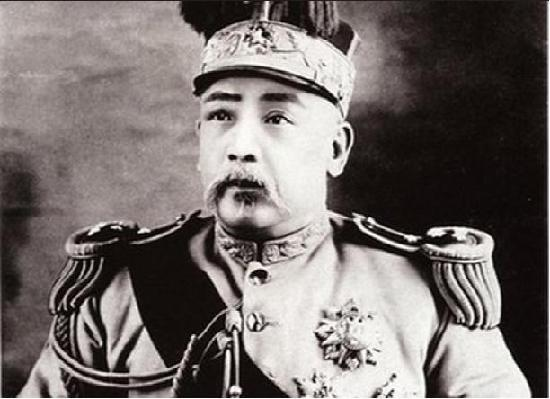
In the turbulent transition from imperial rule to a modern republic, China’s fate was shaped by complex figures whose legacies remain debated to this day. Few are as pivotal or controversial as Yuan Shikai. Initially seen as a modernizing force and a key player in the establishment of the Republic of China, he ultimately succumbed to personal ambition, betraying the very revolution he helped secure. This guide explores the intricate journey of Yuan Shikai, from a powerful Qing Dynasty general to the provisional president, and finally, to a self-proclaimed emperor whose actions plunged the nation into a new era of chaos.
The Late Qing Dynasty: A Powder Keg of Change
To understand Yuan Shikai’s rise, one must first understand the state of the Qing Dynasty in the late 19th and early 20th centuries. The empire was in a state of terminal decline, plagued by internal corruption, technological stagnation, and humiliating defeats by foreign powers. The Opium Wars, the Taiping Rebellion, and the Boxer Rebellion had exposed the profound weakness of the Manchu-led government, fueling widespread anti-Qing sentiment and a desperate call for modernization and reform.
Yuan Shikai’s Rise in the Beiyang Army
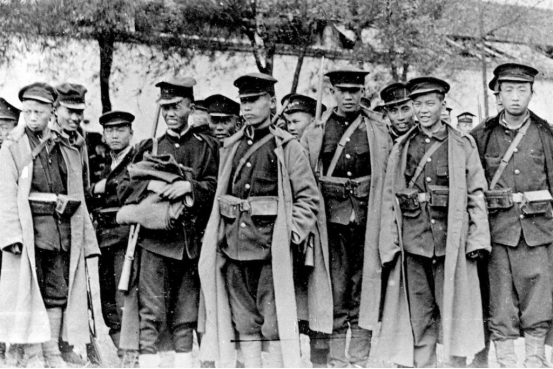
Amidst this decay, Yuan Shikai emerged as a pragmatic and ambitious military leader. He distinguished himself by creating the Beiyang Army, China’s first modern, Western-trained military force. This wasn’t merely a collection of soldiers; it was a political machine loyal to Yuan personally. His control over this formidable army made him the single most powerful individual in China, a fact that both the Qing court and the revolutionaries had to contend with. He was the ultimate power broker, holding the key to China’s future in his hands.
The Xinhai Revolution: Yuan Shikai’s Masterstroke
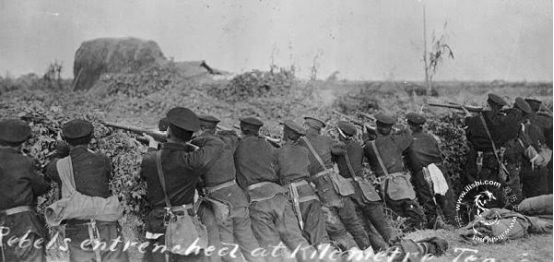
When the Wuchang Uprising erupted in October 1911, sparking the Xinhai Revolution, the terrified Qing court recalled Yuan Shikai from retirement, appointing him Prime Minister and commander of the armed forces. They hoped he would crush the rebellion and save the dynasty. However, Yuan had other plans. He recognized that the Qing’s “Mandate of Heaven” was exhausted and that the tide of history was turning.
A Calculated Negotiation for Power
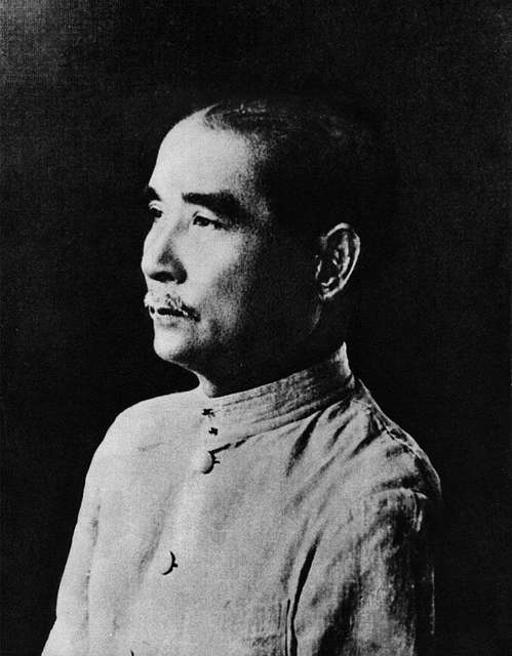
Instead of launching an all-out assault on the revolutionaries, Yuan played both sides against each other. He engaged in secret negotiations with the revolutionary leaders, including Sun Yat-sen. He presented himself as the only man who could ensure a peaceful transition and prevent a bloody civil war. In a masterful political maneuver, he convinced the revolutionaries to offer him the presidency of the new republic in exchange for securing the abdication of the last emperor, Puyi.
Forcing Abdication: The End of an Empire
With the Beiyang Army behind him, Yuan applied immense pressure on the imperial court. Facing the inevitable, the Empress Dowager Longyu signed the abdication decree on February 12, 1912, ending over 2,000 years of imperial rule in China. In this moment, Yuan Shikai was hailed by many as a hero—the defender of the republic who had prevented catastrophic bloodshed. He had successfully brokered the end of an era and was now the Provisional President of the Republic of China.
From President to Emperor: The Great Betrayal
Yuan Shikai’s commitment to republican ideals was short-lived. As president, he grew increasingly intolerant of opposition and the constraints of parliamentary democracy. His primary rival was the Kuomintang (KMT), led by Song Jiaoren, who advocated for a cabinet system that would limit the president’s power.
Consolidating Power: The Tools of a Dictator
Yuan’s transformation into a dictator was methodical. Key steps included:
- Assassination: In 1913, the KMT’s popular leader, Song Jiaoren, was assassinated, an act widely believed to have been orchestrated by Yuan’s government.
- Military Force: He used his Beiyang Army to crush the KMT’s “Second Revolution,” a failed attempt to resist his growing authoritarianism.
- Political Dissolution: He outlawed the KMT, dissolved the national and provincial assemblies, and rewrote the constitution to grant himself almost unlimited power, including the presidency for life.
The Hongxian Emperor and Ultimate Downfall
In 1915, Yuan Shikai made his final, fatal miscalculation. Believing he had consolidated enough power and that China needed a strong, central figure, he declared his intention to restore the monarchy with himself as the Hongxian Emperor. The backlash was immediate and universal. His closest lieutenants in the Beiyang Army abandoned him, provincial governors declared independence, and Japan, which had earlier supported him, withdrew its backing. Humiliated, Yuan was forced to abandon his imperial ambitions in March 1916. He died just a few months later, a broken man whose actions had shattered the fragile new republic.
Analyzing Yuan Shikai’s Legacy: Modernizer or Traitor?
Yuan Shikai’s legacy is a study in contradiction. He was instrumental in ending the Qing Dynasty and establishing the Republic, yet his personal ambition led him to betray it. His rule saw some modernizing reforms, but his death left a power vacuum that ushered in the chaotic Warlord Era, a period of division and conflict that lasted for over a decade.
Comparison Table: Republican Ideals vs. Autocratic Reality
| Action / Policy | Republican Ideal | Yuan Shikai’s Autocratic Reality |
|---|---|---|
| Political Structure | Parliamentary democracy with checks and balances. | Dissolved parliament, rewrote constitution for presidential supremacy. |
| Transition of Power | Peaceful, constitutional transfer of authority. | Secured presidency for life, then attempted to establish a new dynasty. |
| Political Opposition | Multi-party system with freedom of speech. | Assassinated political rivals (Song Jiaoren), outlawed the KMT. |
| National Unity | A unified republic under a central government. | His death shattered unity, leading directly to the Warlord Era. |
Expert Advice: Lessons from Yuan Shikai’s Rise and Fall
The dramatic career of Yuan Shikai offers timeless strategic lessons about power, ambition, and leadership, particularly during periods of great political transition.
- Power is Not Permanent: Yuan’s power was rooted in his control of the Beiyang Army. He mistakenly believed this military loyalty was absolute. When he overstepped by declaring himself emperor, even his most trusted generals abandoned him, proving that support based on power alone is fragile.
- Never Misjudge Public Sentiment: Yuan believed the Chinese people were not ready for a republic and would welcome the stability of a strong emperor. He was profoundly wrong. The idea of republicanism had taken root, and his imperial ambitions were seen as a grotesque betrayal, uniting nearly all factions against him.
- Short-Term Gains Can Lead to Long-Term Failure: Every autocratic step Yuan took—from assassinating Song Jiaoren to dissolving parliament—gave him more power in the short term. However, each action eroded his legitimacy and created more enemies, ensuring his long-term downfall and leaving behind a legacy of chaos rather than stability.
Frequently Asked Questions (FAQ)
- Why did Yuan Shikai betray the republic he helped create?
- Yuan Shikai was fundamentally a military strongman schooled in the hierarchical and authoritarian traditions of the late Qing Dynasty. He was deeply skeptical of the messiness of parliamentary democracy and believed that China required a single, powerful leader to modernize and resist foreign encroachment. His personal ambition, combined with this autocratic worldview, led him to see the republic’s constraints as obstacles to be removed rather than principles to be upheld.
- Was Yuan Shikai a good leader for China?
- This is highly debated. Supporters point to his role in a relatively bloodless transition from empire to republic and his efforts at legal and educational reform. However, critics argue that his betrayal of republicanism and his imperial ambitions directly caused the Warlord Era, a decade of civil war and national disintegration that set China back immeasurably. Most historians conclude that his negative impact far outweighed his positive contributions.
- What was the Beiyang Army and why was it so important?
- The Beiyang Army was the most modern, best-equipped, and best-trained military force in China at the time. Created and commanded by Yuan Shikai, its officers were loyal to him personally rather than to the state. This personal army gave Yuan immense leverage, allowing him to pressure both the Qing court and the revolutionaries. After his death, the army splintered into factions led by his former lieutenants, who became the warlords that tore the country apart.
- What happened to China immediately after Yuan Shikai’s death?
- Yuan Shikai’s death in 1916 created a massive power vacuum. With no legitimate central authority to replace him, the country fractured. The generals of the Beiyang Army carved out their own territories and ruled as independent warlords. This began the Warlord Era, a period of constant civil war, political chaos, and economic collapse that lasted until the nominal reunification of China by the Kuomintang in 1928.