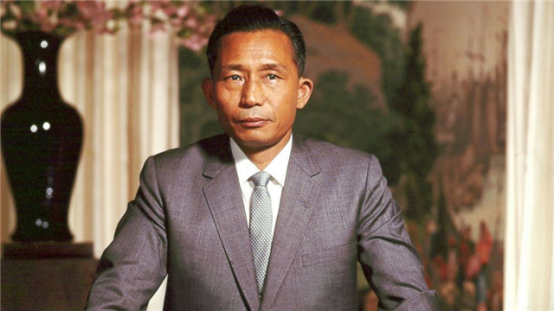
The assassination of President Park Chung-hee on October 26, 1979, was not merely a tragic event; it was a seismic shift that irrevocably altered the course of South Korean history. For nearly two decades, Park had ruled with an iron fist, transforming a war-torn nation into an economic powerhouse while simultaneously suppressing political dissent under the controversial Yushin system. His death plunged South Korea into a period of intense political uncertainty, sparking a brief “Seoul Spring” of liberalization before giving way to another military coup and eventually paving the arduous path towards genuine democracy. This ultimate guide meticulously reconstructs the events leading up to that fateful night, dissects the motivations behind the assassination, and critically analyzes its complex legacy on South Korea’s political, economic, and social fabric.
The Iron Grip: Park Chung-hee’s Authoritarian Rule (1961-1979)
To understand the magnitude of Park Chung-hee’s assassination, one must first grasp the nature and impact of his nearly two-decade-long rule. Seizing power through a military coup in 1961, Park promised stability and economic development—promises he largely delivered on, albeit at a steep cost to civil liberties and democratic institutions. His administration oversaw the rapid industrialization of South Korea, transforming it from one of the world’s poorest countries into an economic “miracle” known as the “Miracle on the Han River.”
Rise to Power and Economic Transformation
Park Chung-hee’s ascent began with a military coup that overthrew the Second Republic, which had struggled with political instability. He justified his authoritarian control by prioritizing national security against North Korea and aggressive economic growth. His government implemented a series of Five-Year Economic Development Plans, fostering export-oriented industries and nurturing powerful conglomerates known as chaebols. This strategic direction, though highly effective in lifting millions out of poverty, concentrated economic power and created a system reliant on state guidance rather than free market principles.
The Yushin System: Consolidating Dictatorship
By the early 1970s, as his constitutional term limits approached, Park engineered the Yushin Constitution in 1972. This draconian system granted him near-absolute power, allowing him to be elected indirectly for unlimited terms, appoint one-third of the National Assembly, and issue emergency decrees that effectively suspended fundamental rights. The “Yushin” (Revitalization Reform) system was presented as necessary for national unity and survival in a volatile Cold War environment, but it effectively cemented his personal dictatorship, dismantling any semblance of democratic checks and balances.
Growing Dissent and Political Unrest
Despite economic prosperity, the Yushin system fueled widespread discontent. Students, intellectuals, religious leaders, and opposition politicians increasingly protested the erosion of democracy and human rights. Suppressions were brutal, with dissenters often imprisoned, tortured, or executed. By late 1979, the political climate was highly volatile, marked by significant public unrest, including the dramatic expulsion of opposition leader Kim Young-sam from the National Assembly and the subsequent Busan-Masan democratic uprisings, which signaled a dangerous escalation of resistance against Park’s regime.
The Fateful Night: October 26, 1979
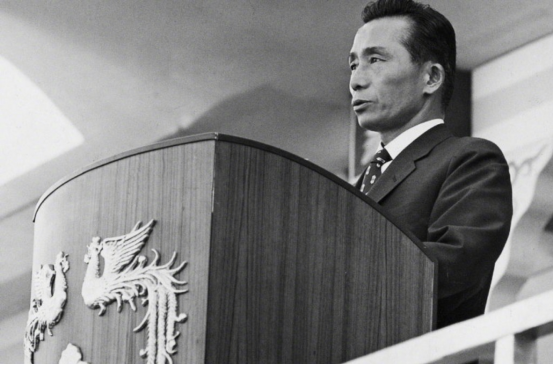
The night of October 26, 1979, began as a routine, albeit secretive, gathering at a safe house of the Korean Central Intelligence Agency (KCIA) in Gungjeong-dong, Seoul. What unfolded there would send shockwaves across South Korea and the international community, forever etching itself into the nation’s collective memory as “10.26.”
The Key Players: Kim Jae-gyu and the KCIA
The central figure in the assassination was Kim Jae-gyu, the Director of the KCIA, a man who had been a loyal confidante of Park Chung-hee for decades, sharing a military background and a deep personal connection. The KCIA, under Kim’s leadership, was the primary instrument of Park’s authoritarian control, responsible for intelligence gathering, internal security, and suppressing dissent. However, by 1979, factions within the agency and within Park’s inner circle were deeply divided over how to handle the escalating public unrest, particularly the Busan-Masan demonstrations. Kim Jae-gyu found himself increasingly at odds with other hardliners, notably Chief Presidential Security Guard Cha Ji-chul, who advocated for even harsher repression.
The Dinner Party and the Deadly Confrontation
On that evening, Park Chung-hee, along with Cha Ji-chul and Chief Presidential Secretary Kim Kye-won, were having a private dinner with Kim Jae-gyu. The atmosphere was tense, with Cha Ji-chul reportedly taunting Kim Jae-gyu and criticizing his handling of the protests. During a heated argument, Kim Jae-gyu briefly left the room, returned with a handgun, and shot Cha Ji-chul and then Park Chung-hee. Simultaneously, other KCIA agents loyal to Kim Jae-gyu opened fire in an adjacent dining room, killing several presidential bodyguards.
Immediate Aftermath and Confusion
In the immediate aftermath, a desperate attempt was made to transport Park to a military hospital, but he was pronounced dead upon arrival. Kim Jae-gyu’s initial plan was to use the assassination as a catalyst for a democratic transition, portraying it as a righteous act to restore democracy. However, his actions lacked clear coordination with any significant political force, leading to widespread confusion. The military, upon learning of the President’s death, quickly moved to secure key government installations, and martial law was declared. The precise motives and the extent of any conspiracy remain subjects of historical debate, but the immediate result was a power vacuum and a national crisis.
Unraveling the Motives: Why Did It Happen?
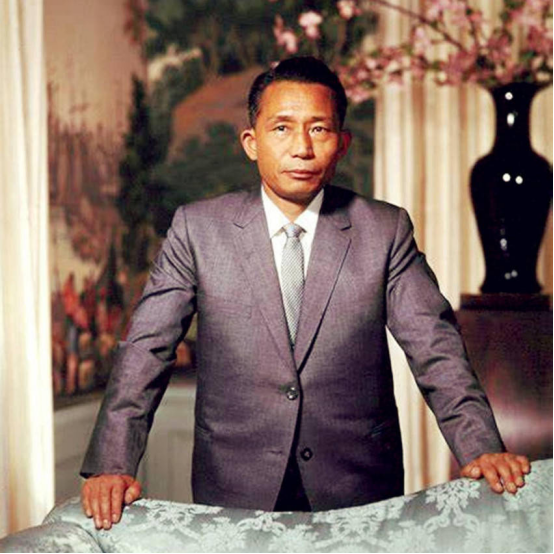
The assassination of Park Chung-hee is shrouded in a complex web of personal grudges, political calculations, and the volatile atmosphere of late 1970s South Korea. Kim Jae-gyu’s motives have been hotly debated, oscillating between a heroic act of democratic restoration and a desperate move fueled by personal humiliation and fear.
Personal Grievances vs. Political Calculations
One prevailing theory suggests that Kim Jae-gyu acted out of a combination of personal resentment towards Cha Ji-chul, who had increasingly usurped his influence with Park, and a genuine, albeit belated, belief that Park’s continued authoritarian rule was leading the country to disaster. Kim claimed in his trial that he killed Park to “restore democracy” and prevent further bloodshed, particularly in light of the brutal suppression tactics being considered for the Busan-Masan uprisings. This narrative paints him as a reluctant liberator, driven by a sense of duty to the nation.
The Busan-Masan Uprising and Fear of Escalation
The student and citizen protests in Busan and Masan in October 1979 were particularly violent and widespread, representing a significant challenge to Park’s authority. Hardliners like Cha Ji-chul reportedly advocated for military intervention, potentially involving the use of tanks and even live ammunition against civilians, echoing the tragic Gwangju Uprising that would occur later. Kim Jae-gyu, having been responsible for intelligence, was acutely aware of the severity of the unrest and the potential for a catastrophic national tragedy if Park pursued such extreme measures. This fear of widespread civil war or a second Korean War due to internal instability is often cited as a key motivator for Kim’s drastic action.
Power Struggles within the Regime
Beyond personal and ideological motives, the assassination can also be viewed through the lens of intense power struggles within Park’s inner circle. The rivalry between Kim Jae-gyu and Cha Ji-chul was well-known and had reached a fever pitch. Cha’s growing influence and direct access to Park, coupled with his hawkish stance on internal security, threatened Kim’s position and the KCIA’s traditional role. Some historians argue that Kim’s actions were, at least in part, an attempt to reassert his authority and prevent his own marginalization within the regime, believing that removing Park was the only way to eliminate Cha and reform the Yushin system from within.
The Aftermath: Power Vacuum and Political Turmoil
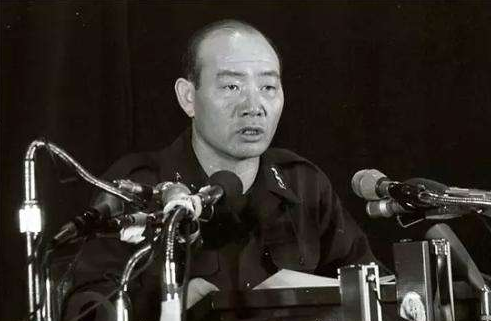
Park Chung-hee’s death created an enormous power vacuum, plunging South Korea into a period of extreme political instability. The hopes for a swift transition to democracy, which some had envisioned, were quickly dashed as new authoritarian forces emerged.
Interim Government and the “Seoul Spring”
Following Park’s assassination, an interim government was established under President Choi Kyu-hah. There was a brief period of political liberalization, often referred to as the “Seoul Spring.” Martial law was initially maintained, but promises of constitutional reform, direct presidential elections, and the restoration of civil liberties fueled optimism among the populace. Political prisoners were released, and public discourse became more open. However, this period of hope was short-lived, as powerful military figures, wary of democratic chaos and the perceived threat from North Korea, began to consolidate their power.
The Coup d’état of December 12 and Chun Doo-hwan’s Ascendancy
On December 12, 1979, just weeks after Park’s death, Major General Chun Doo-hwan, then head of the Defense Security Command, staged a successful internal military coup. He arrested the martial law commander, General Jeong Seung-hwa (who Kim Jae-gyu had initially tried to involve in his post-assassination plans), and other high-ranking officers, effectively seizing control of the military and, by extension, the government. Chun’s rise marked the end of the “Seoul Spring” and the beginning of another period of military authoritarianism, dashing the hopes of many for immediate democratic reform.
The Gwangju Uprising: A Bloody Suppression
Chun Doo-hwan’s consolidation of power culminated in the brutal suppression of the Gwangju Uprising in May 1980. Citizens of Gwangju, protesting the coup and demanding democracy, took to the streets, leading to clashes with government forces. The military responded with overwhelming force, resulting in hundreds, possibly thousands, of civilian deaths. The Gwangju Uprising became a pivotal moment in South Korea’s democratic movement, a symbol of resistance against tyranny, and a painful reminder of the human cost of authoritarian rule. It galvanized the democracy movement for years to come.
Long-Term Impact: South Korea’s Path to Democracy
The assassination of Park Chung-hee and the turbulent decade that followed profoundly shaped South Korea’s political trajectory, ultimately leading to the vibrant democracy it is today, but not without significant struggle and sacrifice.
Legacy of Authoritarianism and Economic Growth
Park Chung-hee’s legacy remains complex and divisive. He is credited by many for spearheading South Korea’s miraculous economic transformation, lifting the nation out of poverty and establishing the foundations of its modern industrial economy. However, this achievement came at the expense of fundamental human rights and democratic development under the Yushin system. His assassination, while removing the immediate dictator, did not instantly usher in democracy but rather initiated a new phase of authoritarianism under Chun Doo-hwan, demonstrating the deeply entrenched nature of military influence in South Korean politics at the time.
From Military Rule to Civilian Leadership
The events of 1979-1980, particularly the Gwangju Uprising, fueled a powerful and enduring pro-democracy movement. Student activism, labor movements, and civil society organizations relentlessly challenged the military regimes of Chun Doo-hwan and his successor, Roh Tae-woo. The turning point arrived in 1987 with massive nationwide protests, compelling the government to adopt democratic reforms, including direct presidential elections. This marked a crucial transition from military rule to civilian leadership, fulfilling, in part, the democratic aspirations that Kim Jae-gyu claimed motivated his actions.
The Reassessment of Park Chung-hee’s Figure
In contemporary South Korea, Park Chung-hee remains a figure of intense debate. Supporters laud him as the architect of modern Korea, while critics condemn his authoritarianism and human rights abuses. His daughter, Park Geun-hye, even served as President, demonstrating the enduring, albeit complicated, resonance of his name. His assassination is viewed not just as the end of a single leader’s reign, but as a critical juncture that exposed the vulnerabilities of dictatorial power and ignited the long, arduous struggle for genuine democratic governance in South Korea.
Expert Analysis: Lessons from a Pivotal Moment
The assassination of Park Chung-hee offers invaluable insights into the dynamics of authoritarian regimes, political transitions, and the complex interplay of individual agency and historical forces. Expert analysis highlights several key takeaways from this dramatic event.
Pro Tips: Navigating Political Transition and Legacy
- The Fragility of Absolute Power: Park’s assassination underscores that even the most entrenched authoritarian regimes are vulnerable, often from within their own ranks. Dependence on a single leader creates inherent instability when that leader is removed.
- Unintended Consequences: Kim Jae-gyu’s actions, while perhaps intended to restore democracy, initially led to another military coup. This illustrates how even well-intentioned interventions can have unforeseen and often detrimental outcomes in complex political environments.
- The Enduring Power of People: Despite successive authoritarian regimes, the sustained efforts of the South Korean people, galvanized by events like Gwangju, ultimately led to democratic reform. This highlights the critical role of civil society and popular movements in challenging and transforming political systems.
- Historical Reassessment: The continued debate over Park Chung-hee’s legacy demonstrates that history is rarely black and white. Leaders, even controversial ones, leave multifaceted impacts that require continuous re-evaluation through different lenses and generations.
- Importance of Institutional Checks: The Yushin system’s elimination of checks and balances made the regime susceptible to a violent, extra-constitutional change. Robust democratic institutions are crucial for peaceful transitions and the stability of governance.
Key Events & Figures: A Chronological Overview
Understanding the sequence of events and the key players involved is crucial to grasping the full scope of Park Chung-hee’s assassination and its aftermath.
| Date | Event | Significance |
|---|---|---|
| 1961 | Park Chung-hee’s Military Coup | Overthrows Second Republic, establishes authoritarian rule, initiates economic development. |
| 1972 | Implementation of Yushin Constitution | Grants Park absolute power, dismantling democratic institutions and extending his rule indefinitely. |
| October 1979 | Busan-Masan Uprisings | Widespread student and citizen protests against the Yushin system, met with harsh suppression. |
| October 26, 1979 | Assassination of Park Chung-hee | KCIA Director Kim Jae-gyu shoots Park and his security chief; triggers immediate martial law. |
| December 12, 1979 | Chun Doo-hwan’s Coup d’état | Major General Chun seizes military control, ending the “Seoul Spring” and consolidating new authoritarian power. |
| May 18-27, 1980 | Gwangju Uprising | Citizens of Gwangju protest Chun’s coup; brutally suppressed by military, becoming a symbol of democratic struggle. |
| 1987 | June Democracy Movement | Massive nationwide protests force the government to accept direct presidential elections and democratic reforms. |
Frequently Asked Questions (FAQ)
- Who was Park Chung-hee and why was his rule significant?
- Park Chung-hee was a South Korean general and politician who served as the country’s president from 1963 until his assassination in 1979. He came to power through a military coup in 1961. His rule is significant for overseeing South Korea’s rapid economic transformation, known as the “Miracle on the Han River,” which industrialized the nation. However, his regime was also characterized by severe authoritarianism, human rights abuses, and the implementation of the highly repressive Yushin Constitution.
- What was the Yushin System and why was it controversial?
- The Yushin System was a series of constitutional amendments enacted by Park Chung-hee in 1972. It was controversial because it granted the president near-absolute power, abolished direct presidential elections, allowed the president to appoint one-third of the National Assembly, and gave him the authority to issue emergency decrees, effectively dismantling democratic checks and balances and cementing his dictatorial rule. It was widely seen as a severe setback for South Korean democracy.
- Who assassinated Park Chung-hee and what were his stated motives?
- Park Chung-hee was assassinated by Kim Jae-gyu, the Director of the Korean Central Intelligence Agency (KCIA), on October 26, 1979. Kim’s stated motives, presented during his trial, were to “restore democracy” in South Korea and prevent the country from descending into further chaos and civil war due to Park’s increasingly repressive policies and the escalating public protests, particularly the Busan-Masan uprisings. He also harbored personal resentment towards Park’s increasingly influential chief security guard, Cha Ji-chul.
- How did Park Chung-hee’s death impact South Korea’s transition to democracy?
- Park’s death created a power vacuum that initially led to a brief period of liberalization known as the “Seoul Spring.” However, this was quickly curtailed by another military coup led by Chun Doo-hwan in December 1979. While not immediately leading to democracy, the assassination and subsequent events like the Gwangju Uprising in 1980 galvanized the pro-democracy movement. It laid the groundwork for the persistent struggle that eventually forced the military regime to accept democratic reforms and direct presidential elections in 1987, marking a crucial turning point towards the establishment of a fully democratic South Korea.
- What is Park Chung-hee’s legacy in modern South Korea?
- Park Chung-hee’s legacy in modern South Korea remains highly contested. He is widely credited for his role in initiating the nation’s rapid economic development and transforming it into an industrial power. However, he is also heavily criticized for his authoritarian governance, suppression of human rights, and the establishment of the Yushin dictatorship. His legacy continues to be a subject of intense debate, reflecting the complex interplay between economic prosperity and democratic values in South Korean history.