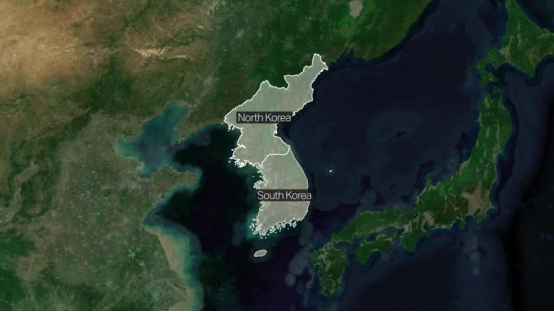
The Origins and Historical Context of the Korean War
The division of the Korean Peninsula is not merely a product of the 1950 conflict but a deep-seated geopolitical consequence of 20th-century power dynamics. Following the end of Japanese colonial rule in 1945, the peninsula was partitioned along the 38th parallel, setting the stage for ideological friction between the Soviet-backed North and the U.S.-supported South.
The Shift from Liberation to Ideological Divide
The post-WWII vacuum facilitated the rise of two distinct political regimes. Understanding this period requires acknowledging the Cold War necessity of creating buffer zones, which transformed a unified nation into the primary theater for superpower rivalry.
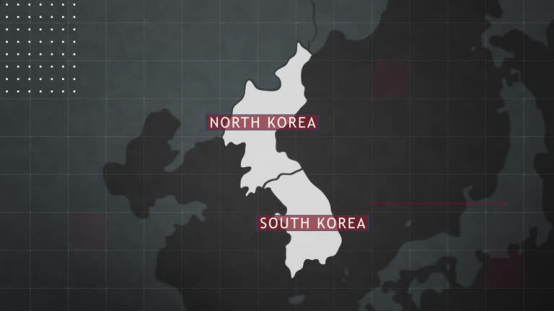
The Mechanics of the 1950-1953 Conflict
The Korean War, often called the “Forgotten War,” was a brutal confrontation that ended in an armistice rather than a peace treaty. This technical state of war has persisted for seven decades, dictating the internal and external policies of both nations.
Key Milestones of the Conflict
- 1950: North Korean forces cross the 38th parallel.
- 1951: The stalemate begins, shifting from mobile warfare to trench-style attrition.
- 1953: The Korean Armistice Agreement is signed, creating the Demilitarized Zone (DMZ).
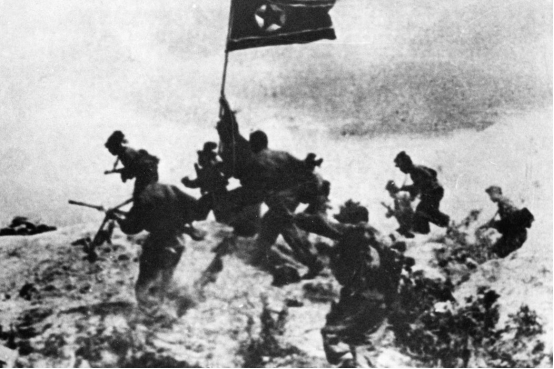
Modern Psychological and Propaganda Warfare
In the absence of open military engagement, both Koreas have engaged in sophisticated psychological operations. From loudspeaker broadcasts to high-altitude balloon campaigns, the propaganda war serves to undermine the legitimacy of the opposing regime while maintaining domestic political control.
Comparative Analysis of Propaganda Methods
| Method | Objective | Target Audience |
|---|---|---|
| Loudspeaker Broadcasts | Dissemination of news and ideology | Frontline troops and residents |
| Leaflet Balloons | Information flow into restricted areas | General North Korean public |
| Digital Hacking | Disruption of state infrastructure | Government and military systems |
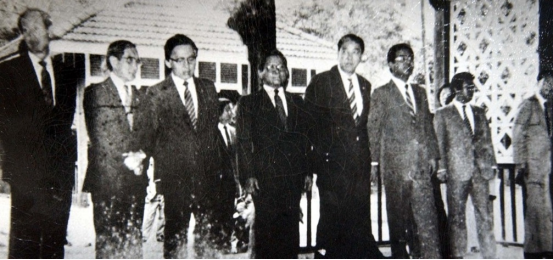
Frequently Asked Questions (FAQ)
- Why is there no formal peace treaty?
- The 1953 agreement was an armistice—a cessation of hostilities—not a final peace settlement. Neither side has been able to bridge the massive ideological and security gaps required for a permanent treaty.
- What is the role of the DMZ today?
- The Demilitarized Zone serves as a heavily fortified buffer. Despite its name, it is one of the most militarized borders in the world, acting as a physical manifestation of the unresolved conflict.
- How does propaganda affect the civilian population?
- Propaganda is used to dehumanize the “other” and maintain a state of constant alert, which helps regimes justify high military spending and social control.
- Is reunification a realistic goal?
- While both sides officially claim reunification as a goal, the divergence in economic, political, and social systems over 70 years has made the process increasingly complex and economically daunting.