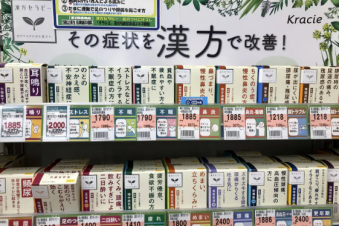
Japanese Kampo medicine is based on traditional Chinese medicine. Over a long period of time, it has been deeply rooted in Japan. After undergoing localization transformation, it has developed into a unique medical form that adapts to the Japanese climate, culture and physique.
Kofun Period (250-592 AD)
Before the 6th century AD, Japan’s cultural exchanges with the outside world were mostly dependent on the Korean Peninsula. At that time, Japan lacked systematic medical knowledge and was extremely eager for the medical technology of Baekje, Silla, and Goguryeo.
In 538 AD, Buddhism was introduced to Japan from Korea. Buddhism’s interpretation of “birth, aging, sickness and death” and its philosophy of curing illness and saving lives, It was welcomed and promoted by the Japanese people and once became the national religion of Japan.
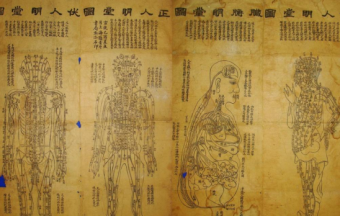
In 562 AD, Monk Zhicong (Zhicong) brought the “Mingtang Tu” and 164 volumes of medical books to Japan, which truly opened the prelude to the spread of Chinese medicine culture in Japan. These early medical books and knowledge planted the initial seeds for the development of Japanese Kampo medicine. Although they were not widely spread, they had quietly taken root in the Japanese archipelago.
Asuka Period (592-710)
In the Asuka period, the Yamato central government was established. In 593, Prince Shotoku vigorously promoted Buddhism and built Shitennoji Temple and Horyuji Temple, which also raised the medical status of Buddhist monks.
In 607, Prince Shotoku sent the first envoy to the Sui Dynasty, Ono Imoko, to China. Since then, all kinds of medical books, medical skills, and medicines have continued to flow into Japan.
Heian period (794-1192)
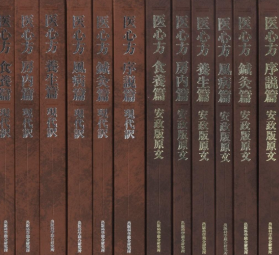
After hundreds of years of learning and absorbing Chinese medicine culture, Japan’s local medical culture awareness began to awaken. The Japanese referred to Chinese medical classics and began to compile their own medical books, which became a prominent feature of medicine in this era.
Kamakura period (1185-1333)
The Kamakura Shogunate was the first shogunate in Japan. From this era, Japan began to attach importance to the spirit of “Bushido”. Before the Kamakura period, the scope of medical care only included the royal family and nobles. But from this time on, the scope of medical care was expanded to ordinary people.
Edo period (1603-1868)
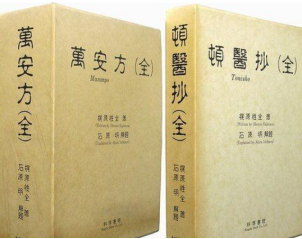
During the Edo period, Japan began to close its doors to the outside world and gradually became independent in medicine. This was the era when Japanese Kampo medicine developed rapidly and reached its peak.
Meiji era (1868-1912)
The Meiji Restoration broke the 200-year-long policy of isolation implemented by the Tokugawa shogunate. At the same time, in the context of the social trend of leaning towards Western culture, medicine gradually turned to Western medicine, and Chinese medicine fell into a trough.
In 1872, the Meiji government established an education system centered on Western medicine, and tried its best to suppress Chinese medicine. It launched the “Eliminate Chinese Medicine and Promote Western Medicine” campaign. The society generally believed that the outdated Chinese medicine needed to be eliminated. Chinese medicine once reached the darkest moment of life and death.