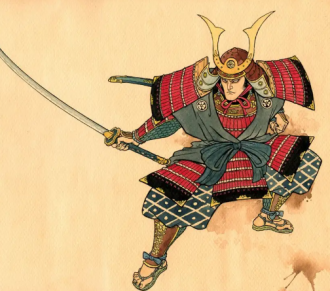
The samurai class occupies an important position in Japanese history, and the Bushido spirit has had a profound impact on Japanese society and culture. If you are interested in Japanese culture, then understanding how the samurai rose to power is an indispensable part of understanding Japanese history and culture .
The Beginning of the Samurai Class
The samurai class first emerged in the Heian period from the late 8th century to the early 9th century. At that time, the Japanese central government’s control over local areas gradually weakened. In order to maintain local order and protect the interests of the estates, local nobles began to form private armed forces. These armed personnel were the prototypes of samurai. Their initial duties included defending the territory, collecting taxes, and maintaining local security.
How did the samurai class rise?
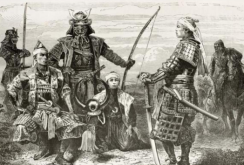
As time went on, conflicts between local forces became more frequent, and the need for armed forces grew. Some powerful families continued to expand their samurai ranks, and the status and influence of samurai increased accordingly.
In 1185, the Minamoto clan won a great victory in the Battle of Dan-no-ura, completely defeating their old rival, the Taira clan. After winning this crucial battle, Minamoto no Yori established the Kamakura shogunate. From then on, the samurai were no longer just local armed forces, but directly controlled the power of the country, which also marked the official rise of the samurai class.
The heyday of the samurai class
After the establishment of the Kamakura shogunate, the samurai class ushered in its heyday. Politically, the shogun became the actual ruler of the country, and the emperor’s power was hollowed out. The samurai received rewards such as land and official positions by virtue of their loyalty to the shogun, and their social status was greatly improved.
The warriors held their own territories and saved a lot of money by collecting taxes and managing the manors. Not only did they firmly control the land, they also started businesses, and their economic strength became stronger.
In the cultural field, the samurai class also left a deep mark. The Bushido spirit, with loyalty, courage, and honor as its core, gradually formed and improved, becoming the code of conduct and moral norms of the samurai class. While pursuing the improvement of martial arts, the samurai also paid attention to cultural cultivation, learning poetry, calligraphy, tea ceremony, etc., which promoted the development of Japanese culture.
The decline of the samurai class
In the mid-19th century, Japan was facing a severe situation of internal and external troubles. Internally, the shogunate’s rule was in crisis and social contradictions intensified; externally, the powerful ships and guns of the Western powers broke Japan’s closed-door policy and forced Japan to sign a series of unequal treaties. At this time, some samurai actively catered to the times, transformed from feudal officials to officials of modern countries, and actively invested in Westernization. As a result, the samurai class gradually withdrew from the stage of history after the Meiji Restoration.
Bushido today
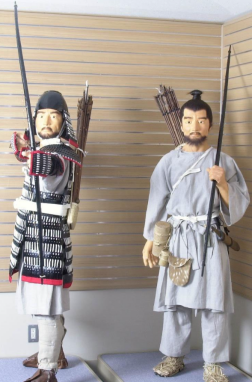
Although the samurai class gradually withdrew from the stage of history after the Meiji Restoration, its influence was far-reaching and lasting. The elements of loyalty, tenacity, and self-discipline in the Bushido spirit have been integrated into the national spirit of Japan and have had an important impact on the values of Japanese society. In modern Japan, some positive aspects of the Bushido spirit, such as dedication to work and teamwork spirit, are still reflected in the fields of corporate management and education. Paintings, novels, dramas and other works with samurai life as the theme have emerged in an endless stream, becoming an important part of Japanese culture.