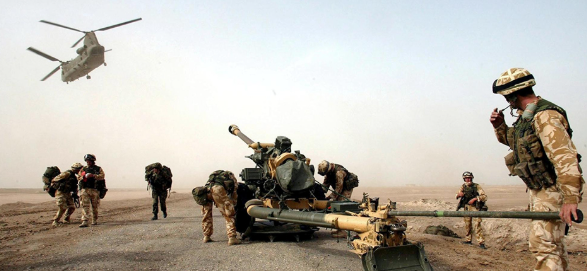
Armed conflicts and geopolitical rivalries cast long, pervasive shadows over nations and societies, leaving behind profound challenges that extend far beyond the cessation of hostilities. The visible destruction of infrastructure, the staggering loss of life, and the mass displacement of populations are merely the initial wounds. Beneath the surface, wars erode social cohesion, destabilize economies, and embed deep psychological scars that can persist for generations. This pillar page delves into the multi-faceted impacts of war, drawing on specific case studies to illuminate the arduous task of societal and economic rebuilding, the complex dilemmas of counter-terrorism interventions, and the persistent tensions in geopolitical flashpoints. By integrating lessons from diverse global experiences, we aim to provide a comprehensive understanding of the human cost, strategic miscalculations, and the enduring quest for stability and sustainable peace in a world irrevocably shaped by conflict.
Rebuilding from the Rubble: Societal and Economic Challenges Post-Conflict
The aftermath of intense conflict presents an almost insurmountable array of challenges for affected nations, demanding not just physical reconstruction but also the delicate process of healing deep societal wounds. Countries like Iraq and Sri Lanka offer stark illustrations of how long and arduous this journey can be, marked by persistent instability, economic devastation, and the difficult pursuit of reconciliation.
Iraq’s Enduring Struggle for Stability and Reconstruction
Following decades of war, sanctions, and internal strife, culminating in the 2003 invasion and subsequent insurgency, Iraq’s path to recovery has been fraught with immense obstacles. The physical landscape bears the indelible marks of conflict, with critical infrastructure—roads, bridges, hospitals, and schools—reduced to ruins. The economic devastation is profound, characterized by high unemployment, rampant corruption, and a heavy reliance on oil revenues that remain vulnerable to global market fluctuations and internal sabotage. Beyond the tangible destruction, the societal fabric has been severely fractured along sectarian and ethnic lines, exacerbated by years of conflict and the rise of extremist groups like ISIS. The humanitarian crisis has been staggering, with millions displaced internally and externally, struggling to return to homes that no longer exist or to communities riddled with unexploded ordnance. Efforts to restore basic services, establish functional governance, and foster national unity are ongoing but face significant resistance from entrenched political divisions and the lingering threat of violence.
- Infrastructure Collapse: Widespread destruction of essential services, hindering economic revival and quality of life.
- Economic Devastation: High unemployment, corruption, and an over-reliance on a volatile oil sector.
- Sectarian Divisions: Deep-seated mistrust and political fragmentation along religious and ethnic lines.
- Mass Displacement: Millions of internally displaced persons (IDPs) and refugees facing protracted displacement and barriers to return.
Sri Lanka’s Lingering Shadows: Reconciliation and Economic Recovery
The end of Sri Lanka’s nearly three-decade-long civil war in 2009 brought a fragile peace, but the nation continues to grapple with its profound legacy. The conflict, primarily between the government and the Liberation Tigers of Tamil Eelam (LTTE), left tens of thousands dead and countless others traumatized. The psychological scars are pervasive, affecting not only direct victims but entire communities struggling with loss, grief, and the memory of violence. Efforts towards national reconciliation have been slow and often contentious, hampered by accusations of war crimes, a lack of accountability, and persistent ethnic polarization. Economically, while the post-war period saw some growth, particularly in tourism, challenges remain in addressing regional disparities and ensuring equitable development. The north and east, heavily affected by the war, still lag in terms of infrastructure and economic opportunities, contributing to a sense of marginalization among some communities. International pressure and engagement have played a role in pushing for transitional justice mechanisms, but true healing and long-term stability require genuine political will and inclusive policies that bridge historical divides.
- Psychological Trauma: Widespread mental health issues stemming from war-related violence and loss.
- Reconciliation Hurdles: Slow progress on accountability, transitional justice, and addressing ethnic grievances.
- Economic Disparities: Uneven development, with war-affected regions struggling to catch up.
- Social Cohesion: Challenges in rebuilding trust and fostering a shared national identity across ethnic lines.

The Quagmire of Intervention: US Counter-Terrorism and Nation-Building Dilemmas
The United States’ involvement in Afghanistan, spanning two decades, serves as a quintessential case study in the complexities and often unintended consequences of military intervention, particularly when intertwined with ambitious nation-building objectives. What began as a focused counter-terrorism mission post-9/11 evolved into a protracted conflict with profound lessons on the limits of external force in shaping a sovereign nation’s destiny.
The United States in Afghanistan: A Long-Term Dilemma
Following the September 11, 2001, attacks, the US launched Operation Enduring Freedom with the immediate objective of dismantling Al-Qaeda and toppling the Taliban regime that harbored its leaders. While initial military operations achieved these goals swiftly, the mission soon expanded into a complex, multi-faceted endeavor aimed at establishing a stable, democratic government and rebuilding Afghan society. This nation-building component proved far more challenging and costly than anticipated. The US committed vast resources—trillions of dollars and thousands of lives—to train Afghan security forces, construct infrastructure, and promote democratic institutions. However, these efforts were frequently undermined by endemic corruption within the Afghan government, a resilient Taliban insurgency, and a lack of deep understanding of Afghanistan’s intricate tribal and political landscape. The counter-terrorism strategy itself faced dilemmas, often alienating local populations through drone strikes and night raids, inadvertently fueling recruitment for insurgent groups. The long-term presence created a dependency, hindering the development of truly self-sufficient Afghan institutions. The eventual withdrawal in 2021, though strategically planned, led to the rapid collapse of the US-backed government and the swift return of the Taliban, highlighting the immense difficulties of imposing external models of governance and security in a deeply complex environment.
- Mission Creep: Evolution from targeted counter-terrorism to expansive nation-building efforts.
- Corruption and Governance: Endemic corruption undermining state legitimacy and effectiveness.
- Insurgency Resilience: The Taliban’s ability to adapt and maintain popular support in key areas.
- Cultural Misunderstandings: Lack of appreciation for local customs, tribal dynamics, and political realities.
- High Costs: Trillions of dollars and thousands of lives lost with limited sustainable outcomes.
Lessons from US Military Operations and the Afghan War
The Afghan War, alongside other US military operations in the post-9/11 era, offers critical insights into modern warfare and intervention. One of the most significant lessons is the difficulty of defining and achieving “victory” in asymmetrical conflicts against non-state actors. Traditional military metrics often fail to capture the nuanced political and social dimensions of such wars. The immense financial and human cost, both for intervening powers and the host nations, often far outweighs the tangible benefits, raising questions about strategic efficacy and proportionality. Furthermore, the experience underscores the critical importance of understanding local context, culture, and history. Attempts to impose Western democratic ideals without considering indigenous political structures or societal norms often backfire, creating resentment and instability. The reliance on military solutions without robust, integrated diplomatic and developmental strategies also proved to be a critical flaw. Ultimately, the Afghan war revealed the limitations of military power alone in achieving long-term political and societal transformation, emphasizing the need for comprehensive, locally-driven approaches to conflict resolution and peacebuilding.
- Defining “Victory”: Challenges in achieving clear military or political objectives in asymmetrical warfare.
- Cost-Benefit Analysis: The disproportionate human and financial costs relative to strategic gains.
- Local Context: The imperative of deeply understanding cultural, political, and historical nuances.
- Integrated Strategy: The necessity of combining military action with robust diplomatic and development efforts.
- Long-Term Impact: The enduring instability and unintended consequences of prolonged intervention.

Enduring Flashpoints: Geopolitical Rivalries and Border Disputes
Beyond internal conflicts and external interventions, geopolitical rivalries and unresolved border disputes represent another critical dimension of global instability. These flashpoints, often rooted in historical grievances and competing national interests, have the potential to escalate into wider regional or even international confrontations, especially in areas involving nuclear-armed states. The ongoing dispute over Kashmir between India and Pakistan serves as a prime example of such a protracted and dangerous rivalry.
Kashmir: India and Pakistan’s Contested Legacy
The Kashmir dispute is one of the world’s longest-running and most intractable conflicts, stemming from the partition of British India in 1947. Both India and Pakistan claim the entirety of the former princely state of Jammu and Kashmir, leading to multiple wars and continuous military confrontations along the Line of Control (LoC). The conflict is not merely territorial; it is deeply intertwined with national identity, religious sentiments, and political narratives in both countries. For India, Kashmir is an integral part of its secular identity, a testament to its pluralism. For Pakistan, it is a Muslim-majority territory that should have acceded to Pakistan based on the two-nation theory. The human cost for the people of Kashmir has been immense, living under heavy militarization, experiencing frequent lockdowns, human rights abuses, and the constant threat of violence. The region remains one of the most heavily militarized zones globally. International mediation efforts have largely failed to produce a lasting solution, with both nations maintaining firm stances and viewing any compromise as a national betrayal. The danger of escalation is ever-present, particularly given that both India and Pakistan are nuclear powers, making the Kashmir dispute a significant threat to regional and global security. The continued militarization and lack of dialogue perpetuate a cycle of mistrust and animosity, making genuine peace elusive.
- Historical Roots: Stemming from the 1947 partition of British India.
- National Identity: Deeply linked to the national narratives and identities of both India and Pakistan.
- Human Cost: Militarization, human rights concerns, and persistent violence for Kashmiri populations.
- Nuclear Risk: The significant threat of escalation between two nuclear-armed states.
- Failed Mediation: Lack of progress despite numerous international attempts at resolution.
The Dynamics of Protracted Border Conflicts
Protracted border conflicts, such as the Kashmir dispute, are characterized by several common dynamics that make them exceptionally difficult to resolve. Firstly, they often involve irreconcilable claims of sovereignty and self-determination, where one side asserts historical ownership while the other champions the rights of local populations. Secondly, these disputes are frequently fueled by nationalistic sentiments and historical grievances, making it politically perilous for leaders to compromise. The narrative of past injustices and historical claims becomes deeply embedded in national education and media, perpetuating animosity. Thirdly, external actors and regional power dynamics can complicate matters, with alliances and rivalries exacerbating tensions rather than de-escalating them. Finally, the presence of military forces along disputed borders creates a constant risk of accidental or intentional escalation, where minor skirmishes can quickly spiral out of control. Effective resolution requires not only diplomatic engagement but also confidence-building measures, demilitarization, and addressing the underlying socio-economic and political grievances of affected populations, which is a monumental task in such emotionally charged environments.
- Conflicting Claims: Inherent clash between sovereign territorial claims and calls for self-determination.
- Nationalistic Narratives: Historical grievances and national pride fueling intractable positions.
- Regional Power Play: External influences and alliances complicating resolution efforts.
- Escalation Risk: Constant potential for military clashes to spiral into larger conflicts.

The Human Cost: Psychological Scars and Societal Fragmentation
Beyond the geopolitical machinations and physical destruction, the most profound and enduring impact of conflict lies in its human cost. War leaves deep psychological scars on individuals and fragments the societal fabric, affecting mental health, social cohesion, and the very identity of a nation. These invisible wounds often take generations to heal, if they ever do fully disappear.
Invisible Wounds: Mental Health Crisis in Post-Conflict Zones
The experience of war, whether as a combatant, a civilian caught in the crossfire, or a refugee, inflicts severe psychological trauma. In post-conflict zones like Iraq and Sri Lanka, there is a pervasive and often unaddressed mental health crisis. Symptoms of Post-Traumatic Stress Disorder (PTSD), depression, anxiety, and grief are widespread, affecting individuals of all ages. Children who grow up amidst violence often exhibit developmental delays, aggressive behaviors, and a diminished capacity for empathy. Adults may struggle with chronic stress, nightmares, flashbacks, and an inability to reintegrate into civilian life or the workforce. The stigma associated with mental illness, combined with a severe lack of adequate mental health infrastructure and trained professionals, means that many individuals suffer in silence. This unaddressed trauma can perpetuate cycles of violence, contribute to social dysfunction, and hinder long-term peacebuilding efforts. Comprehensive and culturally sensitive mental health support is crucial for genuine societal healing, yet it remains one of the most underfunded aspects of post-conflict recovery.
- Widespread Trauma: High prevalence of PTSD, depression, and anxiety among conflict-affected populations.
- Impact on Children: Developmental issues and behavioral problems in children exposed to violence.
- Stigma and Access: Lack of mental health services and societal stigma preventing individuals from seeking help.
- Intergenerational Trauma: The potential for psychological wounds to be passed down through generations.
Erosion of Social Cohesion and Trust
Conflict systematically erodes the bonds that hold societies together. Years of violence, displacement, and sectarian divisions can lead to a profound loss of trust—between communities, between citizens and the state, and even within families. In Iraq, sectarian violence following the 2003 invasion deepened rifts between Sunni, Shia, and Kurdish populations, making genuine national unity an elusive goal. In Sri Lanka, the civil war entrenched ethnic divisions between the Sinhalese majority and the Tamil minority, with reconciliation efforts struggling to overcome decades of animosity and perceived injustices. The breakdown of trust hinders collective action, impedes governance, and creates fertile ground for renewed conflict. Social institutions, such as education and justice systems, may become politicized or dysfunctional, further undermining public confidence. Rebuilding social cohesion requires deliberate efforts to foster dialogue, promote shared narratives, ensure equitable resource distribution, and establish inclusive governance structures that represent all segments of society. This is a long-term process that demands patience, political will, and genuine commitment to restorative justice.
- Inter-communal Distrust: Deepening divisions and animosity between different ethnic, religious, or political groups.
- State-Citizen Relations: Loss of faith in government institutions due to corruption, human rights abuses, or ineffectiveness.
- Breakdown of Norms: Erosion of social norms and traditional mechanisms for conflict resolution.
- Hindered Development: Lack of trust impeding economic cooperation and community-led initiatives.

Forging a Path Forward: Strategies for Peace, Resilience, and Sustainable Development
Despite the immense challenges posed by conflict and its aftermath, the human spirit’s capacity for resilience and the international community’s commitment to peace offer pathways toward recovery and sustainable development. Moving beyond the immediate cessation of hostilities requires a multi-faceted approach that addresses root causes, fosters reconciliation, and builds robust institutions capable of weathering future storms.
Beyond Military Solutions: The Imperative of Comprehensive Approaches
The experiences in Afghanistan and other conflict zones unequivocally demonstrate the limitations of purely military solutions. Achieving lasting peace and stability necessitates a comprehensive approach that integrates diplomacy, economic development, and social reconstruction. Diplomatic engagement is crucial for de-escalating tensions, building trust between warring parties, and brokering sustainable peace agreements. This includes multilateral efforts through organizations like the UN, as well as bilateral negotiations. Economic development plays a foundational role by creating opportunities, reducing poverty, and providing alternatives to conflict-driven economies. Investments in education, healthcare, infrastructure, and job creation can help stabilize communities and offer hope for a better future. Furthermore, robust civil society engagement is vital, empowering local communities to participate in peacebuilding processes, advocate for their rights, and contribute to national healing. These non-military strategies, when thoughtfully integrated, offer a more sustainable path to peace than force alone.
- Active Diplomacy: Essential for de-escalation, conflict resolution, and peace treaty negotiation.
- Economic Development: Foundational for stability, poverty reduction, and creating alternative livelihoods.
- Civil Society Empowerment: Engaging local communities and non-governmental organizations in peacebuilding.
- Rule of Law: Establishing transparent and equitable justice systems to rebuild trust.
The Role of Justice, Reconciliation, and International Cooperation
For societies to truly heal and move forward, mechanisms for justice and reconciliation are indispensable. This includes holding perpetrators of atrocities accountable through judicial processes, whether national or international, to ensure victims receive justice and to deter future abuses. However, justice must often be balanced with the need for reconciliation, which involves processes that help communities acknowledge past wrongs, address grievances, and rebuild relationships. Truth commissions, reparations programs, and memorialization efforts can play vital roles in this complex journey. The international community has a significant role to play in supporting these efforts through humanitarian aid, development assistance, and technical expertise. International organizations and NGOs provide critical support for refugees and IDPs, help rebuild infrastructure, and offer capacity building for local institutions. However, this support must be carefully coordinated, culturally sensitive, and aligned with national priorities to avoid creating dependency or undermining local initiatives. Sustainable peace is a shared responsibility, requiring concerted efforts from both within and outside affected nations.
- Transitional Justice: Accountability for past abuses through courts, truth commissions, and reparations.
- Reconciliation Processes: Fostering dialogue, healing, and rebuilding relationships between divided communities.
- International Aid: Crucial support for humanitarian relief, reconstruction, and development.
- Capacity Building: Strengthening local institutions and governance structures for long-term resilience.
- Coordinated Efforts: Ensuring international support is effective, culturally appropriate, and locally driven.
Frequently Asked Questions (FAQ)
- Q1: What are the primary challenges in post-conflict nation-building?
- Post-conflict nation-building faces immense challenges including the widespread destruction of infrastructure, economic collapse, high unemployment, deep-seated political instability, and fractured social cohesion. Additionally, addressing psychological trauma, disarming ex-combatants, ensuring transitional justice, and combating corruption are critical hurdles that require long-term, integrated strategies and often significant international support.
- Q2: How do geopolitical rivalries like the Kashmir dispute impact regional stability?
- Geopolitical rivalries, such as the Kashmir dispute between India and Pakistan, profoundly destabilize regions by fostering continuous military confrontations, diverting vital resources from development, and creating an environment of mistrust. In the case of Kashmir, the involvement of two nuclear-armed states significantly raises the risk of escalation, making it a critical threat to both regional and global security. These disputes also perpetuate human rights abuses and hinder economic cooperation.
- Q3: What lessons can be learned from the US involvement in Afghanistan regarding counter-terrorism?
- The US involvement in Afghanistan highlights several key lessons: the difficulty of defining “victory” in asymmetrical warfare, the immense human and financial costs of prolonged intervention, and the limitations of military solutions without robust diplomatic and developmental strategies. It underscored the critical importance of understanding local context, cultural nuances, and the dangers of mission creep from counter-terrorism to ambitious, externally-driven nation-building efforts.
- Q4: How does war impact the psychological and social fabric of a society?
- War inflicts profound psychological scars, leading to widespread PTSD, depression, anxiety, and intergenerational trauma. Socially, it erodes trust within and between communities, fragments national identity, and can lead to deep sectarian or ethnic divisions. Basic social institutions may collapse, and the loss of traditional support systems leaves individuals isolated, hindering the collective healing and rebuilding process.
- Q5: What role does international aid play in countries recovering from conflict?
- International aid plays a crucial role in post-conflict recovery by providing humanitarian assistance to affected populations, helping rebuild essential infrastructure, and supporting economic development initiatives. It also contributes to strengthening
Editorial context note: This article is educational history, culture, politics, religion, or travel commentary. It is not official guidance, professional advice, legal advice, security advice, diplomatic analysis, travel-safety guidance, medical advice, religious authority, or a final account of contested events. Readers should compare current primary sources and publication dates for time-sensitive topics.Political and geopolitical note: References to governments, leaders, elections, conflicts, national policy, colonialism, sanctions, state power, or geopolitical disputes are informational and non-partisan. They do not represent an official position, endorsement, campaign message, legal advice, investment advice, security guidance, or real-time intelligence.Military history note: War, weapons, military strategy, conquest, rebellions, maritime power, and conflict topics are presented as historical analysis. They are not tactical instructions, weapons guidance, operational planning, extremist support, encouragement of violence, or advice for current security decisions.