The world is replete with destinations that promise not just a trip, but a profound transformation. From the vast, sun-drenched plains of Africa teeming with iconic wildlife to the stark, majestic icescapes of the Arctic, adventure travel offers an escape from the ordinary and an immersion into the extraordinary. This guide serves as your definitive resource for navigating the complexities and wonders of global wildlife and expedition travel, helping you choose and prepare for the adventure of a lifetime. We will explore the nuances of African safaris, delve into the specifics of polar expeditions, and provide essential planning strategies to ensure your journey is both thrilling and seamless.
Exploring African Wildlife Safaris: Kenya vs. Tanzania
When envisioning an African safari, two nations frequently emerge at the forefront: Kenya and Tanzania. Both East African giants offer unparalleled wildlife viewing opportunities, diverse landscapes, and rich cultural experiences. However, they each possess distinct characteristics that cater to different types of travelers and safari preferences. Understanding these differences is crucial for selecting the destination that aligns best with your adventure aspirations, whether you prioritize vast open plains, dense animal concentrations, or specific cultural interactions.
The Distinctive Safari Experiences
While both Kenya and Tanzania share the Great Migration, the way in which a safari unfolds in each country can vary significantly. Kenya often provides a more accessible and fast-paced safari experience, with well-established infrastructure and a strong emphasis on game drives. Its parks, like the Maasai Mara, are globally renowned for their high concentration of wildlife and dramatic river crossings during the migration. The proximity of Nairobi National Park to the capital also offers a unique urban safari experience.
Tanzania, on the other hand, is often perceived as offering a more exclusive and wilder experience due to its larger, less crowded parks and concessions. The Serengeti, Ngorongoro Crater, and Tarangire National Park host immense populations of animals, often providing a sense of untouched wilderness. Tanzania’s safari circuit typically involves longer drives between parks, contributing to a more immersive journey into the vastness of the African landscape.
- Kenya Highlights:
- Easier accessibility to parks from major hubs.
- More diverse range of accommodation options, from budget to luxury.
- Famous for the Maasai culture and vibrant local markets.
- Excellent for short, impactful safaris.
- Tanzania Highlights:
- Larger, more pristine wilderness areas.
- Opportunities for walking safaris and fly-in safaris in remote areas.
- Home to the Ngorongoro Crater, a natural wonder with high animal density.
- Often favored for longer, more in-depth safari adventures.
Prime Seasons and Great Migration Insights
The timing of your safari profoundly impacts the experience, especially if witnessing the Great Migration is a priority. The migration is a year-round phenomenon, with millions of wildebeest, zebras, and gazelles moving in a continuous cycle across the Serengeti and Maasai Mara ecosystems. Each country offers prime viewing opportunities at different times of the year.
- Kenya’s Peak Season: The best time to witness the migration in Kenya, particularly the dramatic Mara River crossings, is typically from July to October. During these months, the wildebeest are concentrated in the Maasai Mara National Reserve, drawn by the greener pastures. This period coincides with Kenya’s dry season, making wildlife spotting easier as animals gather around water sources.
- Tanzania’s Peak Season: In Tanzania, the migration is best viewed from December to March, when the wildebeest calve in the southern Serengeti. This provides incredible predator-prey action. From May to July, the herds move north through the central and western Serengeti, offering spectacular views before they cross into Kenya. The dry season (June to October) is generally excellent for all wildlife viewing in Tanzania, regardless of migration patterns.
Beyond the migration, both countries offer fantastic wildlife viewing during their respective dry seasons, when sparse vegetation and limited water sources make animals more visible. The rainy seasons, while potentially challenging for road conditions, offer lush landscapes, migratory bird species, and often lower prices.
Budgeting for Your African Dream Safari
The cost of an African safari can vary widely based on several factors, including the chosen country, duration, accommodation style, and level of exclusivity. Both Kenya and Tanzania offer options for various budgets, but generally, Tanzania tends to be slightly more expensive due to higher park fees and a greater emphasis on luxury, remote camps.
- Accommodation: Options range from basic camping to mid-range lodges and ultra-luxury tented camps. The choice significantly impacts the overall cost.
- Transportation: Private safari vehicles with expert guides are standard, but fly-in safaris to remote camps can add considerable expense.
- Park Fees: These are a significant component of the cost and can differ between countries and specific parks. Tanzania’s park fees are generally higher than Kenya’s.
- Seasonality: Traveling during peak migration seasons or holidays will incur higher costs for flights and accommodation. Shoulder seasons (e.g., April-May, November) often offer better value.
A well-planned safari can be an investment, but the unforgettable experiences and memories created are priceless. It’s advisable to work with reputable tour operators who can tailor an itinerary to your budget and preferences, ensuring transparency in pricing and inclusions.

Deep Dive into Kenya’s Safari Offerings
Kenya stands as the quintessential safari destination, offering a vibrant tapestry of landscapes, cultures, and an abundance of wildlife. Its accessibility, diverse range of experiences, and commitment to conservation make it a top choice for first-time safari-goers and seasoned adventurers alike. From the iconic plains of the Maasai Mara to the dramatic backdrop of Mount Kilimanjaro in Amboseli, Kenya’s safari offerings are nothing short of spectacular, providing a dynamic and engaging journey into the heart of East Africa.
Iconic Parks and Reserves: Maasai Mara, Amboseli
Kenya’s network of national parks and reserves forms the backbone of its safari industry, each presenting a unique ecosystem and wildlife spectacle. The Maasai Mara National Reserve is arguably the most famous, globally celebrated for its role in the Great Migration and its exceptionally high density of big cats. It’s common to see lions, leopards, and cheetahs hunting on the open plains, alongside vast herds of wildebeest, zebras, and antelopes. The Mara River crossings, typically occurring between July and October, are a wildlife spectacle unmatched anywhere else.
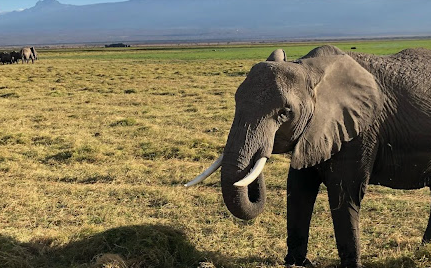
Amboseli National Park offers a starkly different yet equally captivating experience. Dominated by the majestic, snow-capped peak of Mount Kilimanjaro in neighboring Tanzania, Amboseli is renowned for its large herds of elephants. The park’s wetlands, fed by underground springs from Kilimanjaro, create lush oases amidst the dry plains, attracting a diverse array of wildlife and birds. The views of elephants with Kilimanjaro in the background are iconic and provide superb photographic opportunities.
Other notable parks include:
- Lake Nakuru National Park: Famous for its massive flocks of flamingos (though numbers fluctuate) and as a rhino sanctuary.
- Tsavo East and West National Parks: One of the largest protected areas in Kenya, known for its “red elephants” and diverse landscapes including volcanic hills, rivers, and plains.
- Samburu National Reserve: Home to unique “Samburu Five” species: Grevy’s zebra, reticulated giraffe, Somali ostrich, gerenuk, and beisa oryx.
Cultural Encounters and Unique Activities
Beyond traditional game drives, Kenya offers a rich array of activities that enhance the safari experience, particularly its deep cultural immersion opportunities. Interacting with the Maasai people, visiting their villages, and learning about their traditions provides invaluable insight into local life. Many lodges and camps offer community visits, allowing guests to engage directly with the Maasai, witness their traditional dances, and understand their semi-nomadic lifestyle and deep connection to the land and its wildlife.
Unique activities in Kenya include:
- Hot Air Balloon Safaris: Over the Maasai Mara at dawn, offering a breathtaking bird’s-eye view of the plains and wildlife below, often concluding with a champagne breakfast.
- Walking Safaris: Offered in certain conservancies and private reserves, allowing for a more intimate connection with the bush and its smaller wonders, led by armed rangers.
- Night Game Drives: Available in private conservancies, offering the chance to spot nocturnal animals like leopards, civets, and bushbabies, which are rarely seen during the day.
- Horseback Riding Safaris: In select areas, providing a unique perspective and allowing closer encounters with certain wildlife species.
These diverse offerings ensure that a Kenyan safari can be tailored to provide not just wildlife viewing, but a holistic adventure that touches on culture, landscape, and unique perspectives.

Unveiling Tanzania’s Safari Majesty
Tanzania, a land of unparalleled natural beauty and wilderness, presents a safari experience that is both grand and intimately connected to nature. Home to some of Africa’s most iconic landscapes and the highest concentration of wildlife, Tanzania offers an adventure that promises awe-inspiring moments at every turn. Its commitment to preserving vast tracts of wilderness ensures a sense of exclusivity and immersion, making it a premier destination for those seeking the ultimate safari.
Serengeti, Ngorongoro Crater, and Tarangire Wonders
Tanzania’s Northern Safari Circuit is a collection of world-renowned parks and conservation areas that together create an epic safari journey. The Serengeti National Park, a UNESCO World Heritage Site, is synonymous with the Great Migration, where millions of wildebeest and zebras traverse its endless plains. Beyond the migration, the Serengeti boasts an incredible permanent wildlife population, including all of the “Big Five” (lion, leopard, elephant, rhino, buffalo), making it an exceptional year-round safari destination. Its vastness allows for a feeling of solitude and discovery.
The Ngorongoro Conservation Area is another jewel, featuring the spectacular Ngorongoro Crater, the world’s largest intact volcanic caldera. This natural amphitheater is a self-contained ecosystem, hosting an astonishing density of wildlife, including a significant population of black rhinos. Descending into the crater floor offers a unique and unforgettable game-viewing experience. The conservation area also allows for human habitation by the Maasai, adding a cultural dimension to the wildlife experience.
Tarangire National Park, often overlooked, is a hidden gem particularly during the dry season (June to October), when it becomes a magnet for elephants. The Tarangire River provides the only permanent water source in the area, drawing thousands of elephants, wildebeest, and zebras. The park is also characterized by its magnificent baobab trees, creating a dramatic and picturesque backdrop for wildlife encounters. Manyara National Park, famous for its tree-climbing lions and diverse birdlife, often rounds out the Northern Circuit.
Coastal Extensions and Zanzibar
While Tanzania is celebrated for its safaris, its pristine Indian Ocean coastline and islands offer a perfect complement for those seeking relaxation and marine adventures after the dust of the plains. Zanzibar, the “Spice Island,” is the most famous coastal extension. Its historic Stone Town, a UNESCO World Heritage site, offers a fascinating glimpse into Swahili history and culture with its narrow alleyways, bustling markets, and ancient architecture.
Beyond Stone Town, Zanzibar boasts some of the world’s most beautiful white-sand beaches, fringed with palm trees and lapped by turquoise waters. Activities include:
- Snorkeling and Diving: Exploring vibrant coral reefs teeming with marine life.
- Spice Tours: Discovering the island’s rich history as a spice trade hub.
- Dolphin Watching: Excursions to see and sometimes swim with dolphins.
- Relaxation: Simply unwinding on the idyllic beaches of Nungwi, Kendwa, or Paje.
Other coastal options include Mafia Island, renowned for its whale shark encounters, and Pemba Island, offering a more secluded and untouched experience. Combining a safari with a beach retreat in Zanzibar provides a truly comprehensive and luxurious East African adventure, blending thrilling wildlife encounters with serene coastal bliss.

Embarking on Russian Polar Expeditions
Shifting from the warmth of the African plains to the icy frontiers of the North, Russian polar expeditions offer a journey into one of the planet’s most extreme and captivating environments. These expeditions are not merely trips; they are immersive voyages into the heart of the Arctic, promising breathtaking landscapes, unique wildlife encounters, and an unparalleled sense of exploration. Venturing into the Russian Arctic, often aboard purpose-built icebreakers, provides access to remote regions that few have ever seen, revealing the raw power and serene beauty of the polar wilderness.
The Allure of the High Arctic
The High Arctic, particularly the Russian sector, is a realm of dramatic contrasts: colossal icebergs, vast expanses of pack ice, and rugged, snow-capped islands. The allure lies in its pristine, untouched nature and the profound sense of isolation and wonder it instills. Unlike warmer destinations, an Arctic expedition is about embracing the extremes, witnessing the resilience of life in a harsh environment, and experiencing landscapes that feel truly alien and magnificent. These journeys often navigate historical routes of legendary explorers, adding a layer of historical significance to the adventure.
Key attractions of the Russian Arctic include:
- Franz Josef Land Archipelago: A remote group of islands known for its dramatic basalt cliffs, glaciers, and abundant wildlife, including polar bears, walruses, and various seabirds.
- Novaya Zemlya: A large archipelago with a complex history and diverse Arctic ecosystems.
- The North Pole: The ultimate prize for many polar adventurers, accessible via powerful icebreakers.
- Siberian Coastlines: Offering glimpses into indigenous cultures and unique Arctic flora and fauna.
The stark beauty of the Arctic is accentuated by the ever-changing light, from the extended daylight hours of the polar summer to the ethereal glow over ice formations. It’s an environment that challenges perceptions and rewards with unforgettable vistas.
A Detailed 8-Day, 7-Night Arctic Journey
A typical Russian polar expedition, such as an 8-day, 7-night journey to the North, is meticulously planned to maximize exploration and wildlife viewing while ensuring safety and comfort aboard an ice-strengthened vessel. These itineraries are dynamic, adapting to ice conditions and wildlife sightings, but generally follow a structured progression:
Day-by-Day Itinerary Example:
| Day | Activity & Location | Description |
|---|---|---|
| Day 1 | Arrival in Murmansk, Embarkation | Meet in Murmansk, Russia. Transfer to the nuclear-powered icebreaker. Welcome briefing and departure. |
| Day 2-3 | Barents Sea Crossing | Days at sea, breaking through ice. Lectures on Arctic history, wildlife, and geology. Spotting seabirds. |
| Day 4-5 | Franz Josef Land Exploration | Zodiac cruises among icebergs and to historical landing sites. Wildlife viewing (polar bears, walruses, Arctic foxes). |
| Day 6 | High Arctic Islands | Further exploration of remote islands, potential for helicopter excursions for panoramic views. |
| Day 7 | Return Journey through Barents Sea | Reflections on the journey, final lectures, and continued wildlife spotting. |
| Day 8 | Disembarkation in Murmansk | Breakfast on board, farewells, and transfer to airport for onward travel. |
This structure provides a balance of ship-based activities, educational content, and active exploration via Zodiac boats, allowing passengers to get close to the ice and shorelines. Helicopter tours, if available, offer an unparalleled aerial perspective of the vast polar landscape.
Essential Gear and Expedition Preparedness
Preparing for an Arctic expedition requires careful consideration of specialized gear to ensure comfort and safety in extreme cold conditions. Unlike a safari where light clothing is key, the Arctic demands robust layering systems and waterproof protection.
- Outerwear: A high-quality, waterproof and windproof parka, often provided by the expedition company, is essential. Waterproof pants are also crucial for Zodiac landings.
- Mid-Layers: Fleece jackets, down vests, and wool sweaters provide insulation. Multiple thinner layers are better than one thick one, allowing for adjustment to temperature changes.
- Base Layers: Thermal underwear (merino wool or synthetic) helps wick away moisture and retain warmth.
- Footwear: Waterproof, insulated boots (often provided) for landings, and comfortable indoor shoes for the ship. Warm wool socks are a must.
- Accessories: Warm hat (covering ears), waterproof gloves or mittens, neck gaiter, and sunglasses with UV protection (to prevent snow blindness).
- Personal Items: Sunscreen, lip balm, personal medications, motion sickness remedies, and a good camera with extra batteries (cold drains batteries quickly).
Expedition companies typically provide a detailed packing list and often include essential items like parkas and boots. It’s vital to adhere to their recommendations to fully enjoy the experience without being hindered by inadequate gear. Physical preparedness is also beneficial, as Zodiac transfers and shore excursions can involve some agility.

Wildlife and Wilderness of the Arctic North
The Arctic North, despite its seemingly barren appearance, is a vibrant ecosystem teeming with specialized wildlife adapted to thrive in extreme conditions. An expedition into this wilderness offers unparalleled opportunities to witness these resilient creatures in their natural, often pristine habitats. From the apex predator of the ice to massive marine mammals, the wildlife encounters in the Arctic are as dramatic and unforgettable as the landscapes themselves, providing a profound connection to the planet’s wildest frontiers.
Encountering Polar Bears, Walruses, and Arctic Birds
The crown jewel of Arctic wildlife viewing is undoubtedly the polar bear, the largest land predator on Earth. These magnificent creatures are perfectly adapted to their icy environment, often spotted roaming the pack ice, hunting seals, or even swimming between ice floes. Encounters with polar bears are typically from a safe distance aboard the ship or Zodiacs, always respecting their wild nature and ensuring minimal disturbance. Franz Josef Land and Novaya Zemlya are prime locations for spotting these elusive animals.
Another iconic Arctic inhabitant is the walrus. These enormous pinnipeds, with their distinctive long tusks, are often found hauled out in massive colonies on rocky beaches or ice floes. Watching their social interactions, listening to their guttural calls, and observing their sheer bulk is a captivating experience. Walrus sightings are common in the archipelagos of the Russian Arctic, where they feed on shellfish in the shallow waters.
The Arctic is also a critical breeding ground for millions of seabirds during the short summer months. Massive bird cliffs, such as those found in Franz Josef Land, become bustling colonies of guillemots, kittiwakes, and glaucous gulls. Other avian residents include the elusive ivory gull, various species of auks, and skuas. Birdwatching in the Arctic offers a dynamic spectacle of life against a backdrop of ice and rock.
- Other Marine Mammals: Keep an eye out for various whale species, including beluga whales, bowhead whales, and sometimes fin or minke whales, especially in open water channels. Ringed seals and bearded seals are also frequently spotted resting on ice.
- Land Mammals: Besides polar bears, Arctic foxes and occasionally reindeer can be seen on land, particularly on the larger islands.
Navigating Ice-Covered Landscapes
The experience of navigating the ice-covered landscapes is central to any polar expedition. Aboard a powerful icebreaker, the ship’s ability to forge through thick pack ice is a constant source of fascination. The sound of the ice cracking and groaning as the vessel pushes forward, and the sight of massive ice floes being displaced, underscores the immense power of both nature and the engineering designed to conquer it.
Zodiac cruises are the primary means of exploring beyond the ship. These sturdy, inflatable boats allow passengers to navigate through intricate ice formations, get up close to glaciers, and explore remote coastlines and bird cliffs. The skilled Zodiac drivers are adept at maneuvering through the ice, providing opportunities for intimate wildlife encounters and stunning photographic angles. Shore landings, when conditions permit, allow for exploration on foot, offering a chance to feel the Arctic tundra underfoot and witness historical sites or geological wonders.
The landscape itself is a character in the journey:
- Icebergs: Sculpted by wind and water into fantastical shapes, ranging from brilliant white to deep azure.
- Glaciers: Massive rivers of ice slowly carving their way to the sea, often calving dramatic ice chunks into the water.
- Tundra: A fragile ecosystem of mosses, lichens, and dwarf shrubs that bursts into life during the brief summer.
- Volcanic Formations: In some areas, dramatic basalt columns and ancient lava flows add to the geological diversity.
The ever-changing light conditions, from the extended daylight of summer to the subtle hues of twilight, paint these landscapes in an array of colors, making every moment an opportunity for breathtaking observation.

Strategic Planning for Your Global Adventure
Embarking on a global adventure, whether a safari in Africa or an expedition to the Arctic, requires meticulous planning to ensure a safe, enjoyable, and impactful journey. From selecting the right tour operator to understanding health protocols and embracing sustainable travel practices, strategic preparation is key to transforming a dream trip into a flawless reality. This section