Why Greece is the Ultimate Filming Destination
Greece, a land steeped in history, myth, and unparalleled natural beauty, offers an inexhaustible canvas for travel filmmakers and photographers. Its diverse landscapes range from the iconic white-washed villages of the Cyclades to the rugged mountains of the mainland, the ancient ruins that whisper tales of bygone eras, and the shimmering azure waters of the Aegean and Ionian Seas. This geographical and cultural richness provides an extraordinary backdrop for capturing compelling visual narratives, making it a dream destination for creators aiming to produce epic photos and videos.
The allure of Greece for cinematic storytelling lies not just in its picturesque scenery but also in its unique light, which has captivated artists for millennia. The Mediterranean sun casts a magical glow, especially during the golden and blue hours, enhancing textures and colors in a way that is truly unique. Furthermore, the country’s vibrant culture, warm hospitality, and delicious cuisine add layers of sensory experience that can be woven into a rich visual tapestry, transforming simple travel footage into a captivating story. Understanding “the why” behind Greece’s photographic appeal is the first step in unlocking its full potential as a filming location.
This guide will take you through 10 of Greece’s most dreamy spots, offering practical advice and deep insights into how to maximize your creative output at each location. We’ll delve into the specific characteristics that make each spot unique for filming, provide concrete tips for capturing its essence, and discuss common pitfalls to avoid, ensuring your travel movie or photo series is nothing short of spectacular.

Santorini: The Iconic Caldera Views
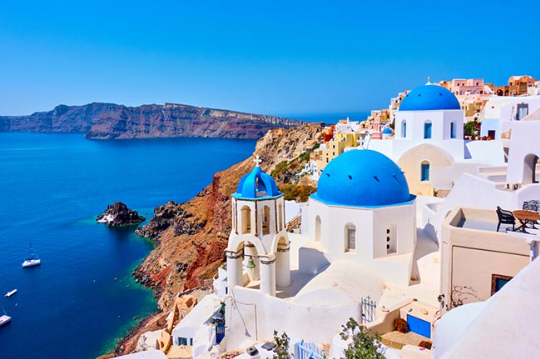
Santorini is arguably Greece’s most famous and visually stunning island, renowned for its dramatic caldera, white-washed villages perched on cliffs, and legendary sunsets. The island’s unique geological formation, a result of a massive volcanic eruption, creates a breathtaking backdrop that is instantly recognizable and highly sought after by filmmakers.
Why it’s Cinematic: Unique Architecture and Light
The stark contrast between the dazzling white buildings, the deep blue domes, and the volcanic rock face against the endless Aegean Sea provides an incredible visual palette. The architecture, known as Cycladic, with its smooth lines and organic shapes, offers endless compositional possibilities. The quality of light, especially during sunrise and sunset, is unparalleled, bathing the landscape in hues of gold, orange, and purple that are ideal for creating highly emotional and dramatic scenes. The ‘blue hour’ after sunset also offers a serene, mystical atmosphere perfect for capturing mood shots.
Filming & Photography Tips: Capturing the Magic
- Golden Hour Mastery: Position yourself in Oia or Fira well before sunset to secure a prime spot. Use a wide-angle lens for sweeping landscape shots and a telephoto lens to compress distant elements like the volcano and other islands.
- Drone Perspectives: Santorini’s caldera is a drone pilot’s paradise. Capture stunning aerials of the villages clinging to the cliffs, the crescent shape of the island, and the vastness of the Aegean. Be mindful of local regulations and no-fly zones, especially near crowded areas.
- Detail Shots: Don’t just focus on the grand views. Capture the intricate details of the architecture, vibrant bougainvillea, traditional doorways, and local life to add depth and authenticity to your narrative.
- Early Bird Advantage: To avoid crowds and capture the serene beauty, shoot early in the morning, especially in Oia. The soft morning light is perfect for capturing the tranquility of the villages.
Common Pitfalls to Avoid
Over-saturation and cliché shots are common. Try to find unique angles, focus on storytelling beyond just pretty pictures, and incorporate elements of local life rather than just tourist hotspots. Crowds can be overwhelming, so planning your shoots around off-peak hours is crucial.

Mykonos: Windmills and Little Venice Charm
Mykonos, the cosmopolitan jewel of the Cyclades, offers a different kind of cinematic appeal. Famous for its vibrant nightlife, it also boasts iconic landmarks like the Mykonos Windmills and the picturesque Little Venice, providing a blend of historical charm and lively energy perfect for dynamic travel videos.
Why it’s Cinematic: Dynamic Energy and Architectural Icons
Mykonos town (Chora) is a labyrinth of narrow, winding streets, white-washed houses, and vibrant bougainvillea, creating an intimate yet bustling atmosphere. The famous windmills, standing proudly on a hill overlooking the town, are a timeless symbol and offer an excellent focal point for composition. Little Venice, with its colorful houses built directly on the sea, provides a unique architectural element reminiscent of Venice, Italy, offering stunning reflections and romantic backdrops.
Filming & Photography Tips: Capturing the Energy
- Windmills at Sunset: The windmills are best captured during sunset when the sky explodes with color, providing a dramatic silhouette or a beautifully lit backdrop. Use time-lapse photography to show the changing light.
- Little Venice Reflections: Focus on capturing the reflections of the colorful houses in the water, especially during calm evenings. Use a polarizing filter to enhance colors and reduce glare.
- Street Photography: Explore the narrow alleys of Chora. Look for candid moments, interactions, and interesting details. A prime lens (e.g., 35mm or 50mm) is excellent for capturing the intimate feel of the streets.
- Nightlife & Energy: If your film aims to capture the island’s famous energy, shoot dynamic footage of the bustling streets, beach clubs, and vibrant atmosphere after dark, using fast lenses and higher ISO settings.
Common Pitfalls to Avoid
Mykonos can be extremely crowded, especially during peak season. Plan shoots for early mornings to capture the serene side of the island. Be respectful when filming people and always ask for permission. Avoid making your footage look like a generic party video by focusing on the island’s unique cultural and architectural elements.
Meteora: Monasteries in the Sky
Meteora, a UNESCO World Heritage site, is a truly awe-inspiring landscape where ancient monasteries are precariously perched atop towering sandstone pillars. This surreal landscape offers a mystical and dramatic setting, unlike anywhere else in the world, making it an extraordinary location for cinematic storytelling.
Why it’s Cinematic: Geological Wonders and Spiritual Aura
The geological formation of Meteora is a spectacle in itself, with massive rock formations rising dramatically from the plain. The monasteries, built by monks seeking solitude and spiritual elevation centuries ago, blend seamlessly with these natural giants, creating a sense of wonder and timelessness. The interplay of light and shadow on the rock faces, especially during sunrise and sunset, creates a dynamic and ethereal atmosphere perfect for evocative visuals. The spiritual history embedded in the landscape adds profound depth to any visual narrative.
Filming & Photography Tips: Harnessing the Mystique
- Sunrise & Sunset Silhouettes: Capture the monasteries as silhouettes against the vibrant sunrise or sunset skies. These moments offer the most dramatic and atmospheric shots.
- Drone Perspectives: Drones are invaluable here for showcasing the sheer scale of the rock formations and the isolated nature of the monasteries. Aerial footage can convey the ‘monasteries in the sky’ concept beautifully. Ensure to check local drone regulations and any restrictions around the monasteries.
- Wide-Angle Vistas: Use wide-angle lenses to capture the expansive landscape, emphasizing the height and grandeur of the rock pillars and the monasteries.
- Detail Shots within Monasteries: While inside, focus on architectural details, frescoes, and the daily life of the monks (where permitted) to add cultural and historical context. Be respectful of religious practices and photography rules within the sacred spaces.
Common Pitfalls to Avoid
Meteora can get foggy, which can either enhance the mystique or obscure views. Check weather forecasts. Respect the sanctity of the monasteries; dress appropriately and be discreet with your camera. Avoid overly touristy shots by focusing on the landscape’s grandeur and the monasteries’ unique placement.
Athens: Ancient Grandeur and Urban Life
Athens, the historical heart of Greece and the birthplace of democracy, offers a compelling blend of ancient wonders and bustling modern city life. From the iconic Acropolis to the charming alleys of Plaka, Athens provides a rich tapestry of visual narratives for filmmakers seeking to capture history, culture, and urban dynamism.
Why it’s Cinematic: Historical Depth and Vibrant Contrast
The Acropolis, crowned by the Parthenon, stands as a timeless symbol of Western civilization, offering monumental backdrops. The juxtaposition of these ancient marvels with the sprawling modern city creates a powerful visual contrast. The vibrant street life, traditional tavernas, and colorful markets in areas like Plaka and Monastiraki provide endless opportunities for capturing the pulse of contemporary Athenian culture. The city’s unique light also plays a significant role, illuminating ancient stones and modern facades alike.
Filming & Photography Tips: Weaving History with Modernity
- Acropolis Golden Hour: Shoot the Acropolis during sunrise or sunset for dramatic lighting and fewer crowds. Experiment with different vantage points from surrounding hills (like Philopappos Hill) to capture the entire complex and the city skyline.
- Plaka’s Charm: Explore the winding streets of Plaka, focusing on candid street scenes, traditional architecture, and local artisans. Use a prime lens for a natural, documentary feel.
- Urban Contrasts: Capture the contrast between ancient ruins and modern graffiti, bustling markets, and quiet residential streets. This tells a more complete story of Athens.
- Night Shots: Athens comes alive at night. Capture the illuminated Acropolis, vibrant squares, and lively tavernas to showcase the city’s nocturnal energy.
Common Pitfalls to Avoid
The Acropolis can be extremely crowded. Arrive early or visit during the shoulder seasons. Be mindful of personal space and local customs when filming in crowded markets or residential areas. Avoid just capturing static shots of ruins; try to bring them to life by incorporating human elements or dynamic camera movements.
Zakynthos: Navagio Beach & Blue Caves
Zakynthos, an Ionian island, is famed for its stunning turquoise waters, dramatic cliffs, and the iconic Navagio Beach (Shipwreck Beach). Its natural beauty offers incredibly vibrant and dynamic settings for travel films, particularly those focusing on natural landscapes and adventure.
Why it’s Cinematic: Unrivaled Natural Beauty
Navagio Beach, with its brilliant white pebbles, crystal-clear electric blue water, and the dramatic rusted shipwreck nestled in the cove, is one of the most photographed beaches in the world. The surrounding towering white cliffs provide a spectacular contrast. The Blue Caves, with their ethereal blue reflections, offer a magical underwater and cave filming experience. The island’s lush greenery and diverse coastline add further visual variety.
Filming & Photography Tips: Capturing the Azure
- Navagio Viewpoint: For the classic panoramic shot of Navagio Beach, visit the viewpoint from above the cliffs. Use a wide-angle lens to capture the entire cove. For a different perspective, take a boat tour to access the beach itself.
- Blue Caves Magic: Best visited by boat, the Blue Caves offer incredible opportunities for underwater photography and videography. The light refracting through the water creates stunning blue hues. Use waterproof cameras or housings.
- Drone Footage: A drone is essential for capturing the scale and beauty of Navagio Beach and the dramatic coastline of Zakynthos. Fly high to show the contrast of white cliffs against blue sea.
- Water Clarity: Emphasize the incredible clarity of the Ionian Sea. Use slow-motion footage of waves, underwater shots of marine life (if present), and shots from boats to convey the aquatic experience.
Common Pitfalls to Avoid
Navagio Beach can be inaccessible by boat in rough weather. The viewpoint can get crowded, so plan for early morning visits. Be very cautious when filming near cliff edges. Ensure your camera gear is protected from salt spray and sand when on boat trips or at the beach.
Crete: Diverse Landscapes and Ancient Minoans
Crete, Greece’s largest island, is a microcosm of the country’s diverse beauty, boasting everything from pristine beaches and rugged mountains to ancient archaeological sites and charming traditional villages. Its rich history, particularly the Minoan civilization, combined with its varied landscapes, makes it an incredibly versatile filming location.
Why it’s Cinematic: Epic Scale and Historical Layers
Crete offers epic scale – long coastlines, deep gorges (like Samaria), and the imposing White Mountains. The island’s history, dating back to the Minoan civilization, provides unique archaeological sites like Knossos, adding layers of historical intrigue. The blend of Venetian, Ottoman, and traditional Greek architecture in towns like Chania and Rethymno offers picturesque urban settings. The island’s distinct culture, cuisine, and warm people provide rich human interest stories.
Filming & Photography Tips: Exploring the Island’s Depths
- Knossos & Archaeological Sites: Focus on the intricate details of the ruins and the vastness of the palaces. Use wide shots to capture the scale and close-ups to highlight ancient artistry. Incorporate the surrounding landscape to ground the historical sites.
- Samaria Gorge: For adventure filmmakers, hiking the Samaria Gorge offers dramatic natural scenery, from towering cliffs to lush forests. Use action cameras for dynamic footage and stabilizers for smooth tracking shots.
- Chania & Rethymno: Wander through the old towns, capturing the Venetian harbors, narrow streets, and vibrant markets. Look for authentic local interactions and architectural details.
- Beaches (Balos, Elafonisi): Use drones to capture the unique pink sand and turquoise lagoons of Elafonisi and the stunning double-bay of Balos. Focus on the interplay of colors and the serene atmosphere.
Common Pitfalls to Avoid
Crete is huge, requiring significant travel time between locations. Plan your itinerary carefully. Some archaeological sites have restrictions on professional filming. Be aware of the strong sun and heat, especially during summer hikes; protect your gear and yourself.
Rhodes: Medieval Grandeur and Coastal Beauty
Rhodes, the largest of the Dodecanese islands, is a fascinating blend of medieval history and stunning coastal scenery. Its UNESCO-listed Old Town, a testament to the Knights of St. John, offers a unique historical backdrop, while its diverse coastline provides beautiful natural settings for filming.
Why it’s Cinematic: Timeless Medieval Setting
The fortified Old Town of Rhodes is one of the best-preserved medieval cities in Europe. Its cobblestone streets, grand palaces (like the Palace of the Grand Master), and ancient city walls transport viewers back in time. This provides an extraordinary setting for historical narratives or simply for capturing timeless beauty. Beyond the old town, Rhodes offers beautiful beaches, charming villages, and natural parks, adding versatility to your film. The Colossus of Rhodes, though no longer standing, can be referenced or imagined through creative storytelling.
Filming & Photography Tips: Blending History and Nature
- Old Town Exploration: Focus on the intricate details of the medieval architecture, the narrow alleys, and the grand gateways. Use wide-angle lenses to capture the scale of the fortifications and telephoto lenses for compressing the depth of the streets.
- Palace of the Grand Master: Capture the grandeur of this iconic structure, both its exterior and interior. Look for interesting light patterns filtering through windows.
- Lindos Acropolis: Perched high above a charming village with a beautiful bay, the Acropolis of Lindos offers stunning panoramic views. Capture the ascent through the village and the breathtaking vistas from the top, especially during sunrise.
- Coastal Drives: Film scenic drives along the coast, showcasing the diverse beaches and landscapes. Use drone footage to capture the transition from historical sites to natural beauty.
Common Pitfalls to Avoid
The Old Town can be very crowded, especially in summer. Plan early morning or late evening shoots. Be respectful of residents when filming in residential parts of the Old Town. Ensure you have permits if you plan extensive filming within historical sites.
Corfu: Venetian Charm and Lush Greenery
Corfu, a jewel of the Ionian Sea, stands out with its unique blend of Venetian, French, and British influences, evident in its architecture and culture. Lush green landscapes, stunning coastlines, and a charming Old Town make it a picturesque and romantic setting for any travel film.
Why it’s Cinematic: European Elegance and Natural Splendor
Corfu’s Old Town, a UNESCO World Heritage site, is characterized by elegant Venetian architecture, narrow “kantounia” (alleys), and two impressive fortresses. This European elegance, combined with the island’s abundant olive groves, cypress trees, and beautiful beaches, creates a visually rich and diverse environment. The contrast between the sophisticated architecture and the wild natural beauty offers compelling visual narratives, evoking a sense of timeless romance and adventure.
Filming & Photography Tips: Capturing the Verdant Island
- Old Town’s Charm: Explore the “kantounia,” focusing on architectural details, colorful laundry hanging from balconies, and local life. Use a prime lens for a natural, candid feel. Capture the Spianada Square and Liston promenade, especially during golden hour.
- Paleokastritsa Monastery & Bays: This area offers stunning views of dramatic cliffs and turquoise bays. Use wide-angle shots to capture the landscape and drone footage for unique aerial perspectives of the coastline and the monastery.
- Achilleion Palace: Film the opulent palace and its beautiful gardens, focusing on the statues and the panoramic views.
- Olive Groves: Capture the serene beauty of Corfu’s ancient olive groves. The play of light through the leaves can create beautiful cinematic effects.
Common Pitfalls to Avoid
Corfu can experience rain, even in summer, so be prepared. The narrow streets of the Old Town can be challenging for bulky equipment; consider compact setups. Be mindful of local traffic and pedestrians when filming in busy areas.
Delphi: Oracle’s Mystique and Mountain Views
Delphi, nestled on the slopes of Mount Parnassus, was considered the center of the world by ancient Greeks and home to the famous Oracle. This archaeological site offers a profound sense of history and breathtaking mountain vistas, making it an ideal location for films exploring ancient wisdom, spirituality, and dramatic landscapes.
Why it’s Cinematic: Sacred History and Panoramic Backdrops
The ruins of Delphi, including the Temple of Apollo, the ancient theater, and the stadium, are set against the dramatic backdrop of the Parnassus mountains and the olive grove-filled valley leading to the sea. This combination of significant historical structures and stunning natural scenery creates a powerful sense of awe and mystique. The historical context of the Oracle adds a layer of intellectual and spiritual depth, perfect for narratives that delve into ancient civilizations or philosophical themes.
Filming & Photography Tips: Evoking Ancient Wisdom
- Temple of Apollo: Focus on the remaining columns and the overall layout of the sanctuary. Use wide-angle lenses to capture the scale and the surrounding landscape.
- Ancient Theater: Utilize the theater’s natural amphitheater shape for dramatic wide shots, especially with the valley and mountains in the background. Consider capturing the changing light during different times of the day.
- Panoramic Views: From various points within the archaeological site, capture the sweeping views of the Pleistos valley and the distant Gulf of Corinth. These vast landscapes add grandeur to your footage.
- Museum Details: Visit the Delphi Archaeological Museum to capture close-ups of artifacts, statues (like the Charioteer), and other historical treasures that complement the outdoor ruins.
Common Pitfalls to Avoid
Delphi is at a higher elevation, so weather can be unpredictable; bring layers. The site involves a lot of uphill walking, so be prepared with comfortable shoes and light equipment. Avoid just taking static shots; try to convey the sense of history and the Oracle’s influence through creative angles and storytelling.
Nafplio: Romantic Old Town and Venetian Fortifications
Nafplio, often considered one of Greece’s most romantic cities, boasts a charming Venetian Old Town, neoclassical architecture, and three impressive fortresses. Its picturesque harbor and elegant atmosphere provide a beautiful and sophisticated setting for travel films, particularly those with a focus on romance, history, or quaint European charm.
Why it’s Cinematic: Picturesque Charm and Fortified History
Nafplio’s Old Town is a delightful maze of narrow streets, neoclassical mansions, and vibrant bougainvillea, exuding a distinct Venetian charm. The three fortresses—Palamidi, Akronafplia, and Bourtzi (on an islet in the harbor)—offer dramatic historical backdrops and stunning panoramic views of the city and the Argolic Gulf. The city’s elegant waterfront, with cafes and restaurants, adds to its sophisticated appeal. It’s a city that feels both grand and intimate, perfect for nuanced visual storytelling.
Filming & Photography Tips: Capturing Elegance and Views
- Old Town Wanderings: Capture the charming streets, colorful buildings, and intricate balconies. Look for details that highlight the Venetian influence. Use a prime lens for intimate street photography.
- Palamidi Fortress: Ascend the 999 steps (or drive up) to Palamidi for breathtaking panoramic views of Nafplio, the bay, and the surrounding countryside. This is ideal for sweeping wide shots and time-lapses of the city waking up or winding down.
- Bourtzi Fortress: Capture the fortress on the islet from the waterfront, especially during sunset. Boat tours can offer closer perspectives.
- Waterfront & Harbor: Film the bustling harbor, traditional fishing boats, and the elegant promenade. This area is particularly beautiful during the golden hour.
Common Pitfalls to Avoid
Nafplio can be popular with tourists, so plan early morning shoots for quieter scenes. The climb to Palamidi is strenuous; be prepared with water and light gear. Ensure you have permission if filming inside any of the fortresses for commercial purposes.
Essential Gear for Greek Travel Filmmaking
To truly capture the magic of Greece, having the right equipment is paramount. Beyond just a camera, a thoughtful selection of gear can elevate your footage from good to truly cinematic. Consider the diverse environments you’ll encounter, from bright beaches to ancient, dimly lit interiors.
Camera Bodies & Lenses
A versatile mirrorless camera (e.g., Sony Alpha, Canon EOS R, Fujifilm X-T series) or a high-end DSLR capable of 4K video is ideal. Pair it with a wide-angle lens (e.g., 16-35mm) for expansive landscapes and architectural shots, a versatile mid-range zoom (e.g., 24-70mm) for general use, and a telephoto lens (e.g., 70-200mm) for compressing scenes and capturing details from a distance. Fast prime lenses (e.g., 35mm, 50mm) are excellent for low-light conditions and creating beautiful bokeh for storytelling.
Drone Considerations: Aerial Majesty
Drones (e.g., DJI Mavic series) are indispensable for capturing the unique perspectives of Greece’s islands, coastlines, and monasteries. They provide cinematic aerials that ground-level cameras simply cannot achieve. However, be aware of strict drone regulations in Greece. Always check local laws, respect no-fly zones (especially near airports, military installations, and some archaeological sites), and obtain necessary permits if required. Fly responsibly and ethically, respecting privacy and wildlife.
Audio & Stabilization: Professional Polish
Good audio is half the battle in filmmaking. Pack an external microphone (e.g., a shotgun mic or a lavalier mic) to capture clear dialogue and ambient sounds, avoiding wind noise. For smooth, professional-looking footage, a gimbal (e.g., DJI Ronin, Zhiyun Weebill) is crucial. A lightweight tripod is also essential for stable shots, time-lapses, and long exposures, especially during sunrise and sunset.
Accessories & Power: Always Prepared
Don’t forget extra batteries, multiple high-speed SD cards, and a portable power bank. A polarizing filter (CPL) is vital for reducing glare on water and enhancing sky colors. ND filters (Neutral Density) are a must for shooting video in bright sunlight, allowing you to maintain cinematic shutter speeds. A waterproof bag or rain cover is advisable for protecting your gear from unexpected splashes or rain, especially on boat trips or coastal shoots.
Mastering the Art of Storytelling in Greece
Beyond technical prowess, a compelling travel film from Greece requires a strong narrative. It’s about more than just showing beautiful places; it’s about conveying the feeling, the history, and the soul of the destination. Mastering storytelling involves thoughtful planning and execution.
Capturing Local Culture & People
Greece is defined by its people and vibrant culture. Don’t shy away from engaging with locals (respectfully, of course). Capture candid moments of daily life, traditional crafts, local markets, and family gatherings. Include interviews or sound bites to add authentic voices to your narrative. Show the warmth, hospitality, and traditions that make Greece unique. These human elements transform a travelogue into a deeply personal and relatable story.
Utilizing Natural Light: Golden & Blue Hour Magic
The Mediterranean light is a filmmaker’s dream. Plan your shoots around the ‘golden hour’ (shortly after sunrise and before sunset) for soft, warm, and flattering light that adds a magical glow to landscapes and portraits. The ‘blue hour’ (just before sunrise and after sunset) offers a cool, ethereal light perfect for atmospheric cityscapes and dramatic silhouettes. Avoid shooting in harsh midday sun when light is flat and shadows are strong, unless you’re aiming for a specific high-contrast aesthetic.
Editing Techniques for a Cinematic Look
Post-production is where your story truly comes together. Focus on color grading to enhance the vibrant blues of the sea and the warmth of the sun, aiming for a consistent, cinematic look. Use dynamic transitions that match the pace of your narrative. Incorporate sound design, including ambient sounds, traditional Greek music, and voiceovers, to immerse your audience. Pacing is key: balance slow, contemplative shots with dynamic, fast-paced sequences to maintain viewer engagement and build emotional arcs.
Pro Tips for a Seamless Production
Filming in a foreign country comes with its own set of challenges. These expert tips will help ensure your production in Greece runs as smoothly as possible, allowing you to focus on creativity rather than logistics.
- Local Permits & Regulations: Research specific filming permits, especially for drone usage, archaeological sites, or commercial projects. Some locations may require special permission. It’s always better to inquire in advance.
- Respect Local Etiquette: Greeks are generally very welcoming, but always be respectful. Ask for permission before filming individuals, especially in religious settings. Dress modestly when visiting monasteries or churches.
- Transportation & Logistics
Editorial context note: This article is educational history, culture, politics, religion, or travel commentary. It is not official guidance, professional advice, legal advice, security advice, diplomatic analysis, travel-safety guidance, medical advice, religious authority, or a final account of contested events. Readers should compare current primary sources and publication dates for time-sensitive topics.Travel information note: Destination, budget, filming, wildlife, and itinerary references are general editorial context. They are not current travel advisories, visa guidance, health guidance, safety guarantees, or booking recommendations. Verify official advisories, local rules, costs, transport, insurance, and access before traveling.