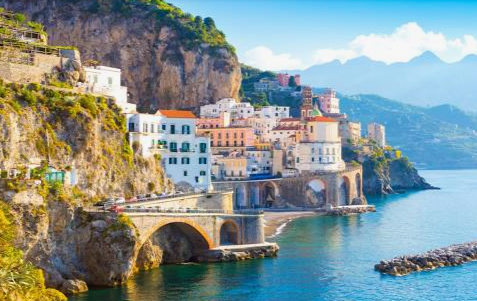
Strategic Budgeting for International Travel
Traveling to destinations as diverse as Italy and Singapore requires a nuanced approach to financial management. While Italy offers a rustic, history-laden experience often requiring careful navigation of regional transport, Singapore presents a high-tech urban environment where efficiency is the key to cost-saving. Understanding the distinct economic landscapes of these nations allows travelers to maximize their experiences without compromising quality.
The Economic Pillars of Travel
- Pre-Trip Planning: Securing accommodation in advance is critical for both Italian city centers and Singaporean business districts to avoid peak-season pricing.
- Currency Management: Utilize local banking apps or multi-currency cards to mitigate high exchange fees prevalent in tourist-heavy hubs.
- Local Integration: Aligning your schedule with local habits—such as dining during off-peak hours—can significantly reduce daily expenditures in both regions.

Navigating Italy: Transportation and Authentic Dining
Italy is a country best experienced through its regional diversity. Navigating the Trenitalia or Italo rail networks is the gold standard for budget-conscious travelers seeking to move between cities like Rome, Florence, and Venice. By booking high-speed tickets weeks in advance, travelers can secure rates significantly lower than last-minute walk-up fares.
Maximizing the Italian Culinary Experience
Food is the heart of Italian culture, and eating like a local is the most effective way to manage your budget. Avoid “Tourist Menu” traps found near major piazzas. Instead, look for Osterias and Trattorias situated several blocks away from major landmarks.
- Breakfast Strategy: Adopt the Italian habit of standing at the bar for a coffee and a pastry. Sitting at a table often incurs a service charge known as coperto.
- The Aperitivo Hour: Many bars offer an aperitivo, where the purchase of a drink grants you access to an extensive buffet of local snacks—an excellent value for a light dinner.

Singapore: A Guide to First-Time Visitors
Singapore is a masterclass in urban planning and cultural synthesis. For the first-time visitor, the city-state can seem expensive, but its infrastructure is designed to facilitate affordable exploration. The MRT (Mass Rapid Transit) system is world-class, connecting virtually every major tourist destination, from the futuristic Gardens by the Bay to the heritage-rich streets of Chinatown and Little India.
Balancing Classics and Hidden Gems
While the iconic Marina Bay Sands and the Merlion are essential, the true soul of Singapore lies in its neighborhood diversity. Travelers should dedicate time to exploring the Hawker Centers, which are recognized by UNESCO for their cultural significance and represent the most affordable, high-quality dining in the country.
| Feature | Italy Strategy | Singapore Strategy |
|---|---|---|
| Best Transport | Regional Rail (Trenitalia) | MRT Subway System |
| Dining Value | Osterias/Aperitivo | Hawker Centers |
| Accommodation | Agriturismo/Hostels | Budget Boutique Hotels/Pods |

Advanced Strategies for Long-Term Travel Success
Whether you are planning a multi-city European tour or an Asian metropolitan adventure, the principles of sustainable travel remain the same. Information density—knowing exactly when to visit, how to move, and where to eat—is your greatest asset. By leveraging local transport passes, such as the Singapore Tourist Pass or regional Italian rail cards, you move from “tourist” to “informed traveler.”
Frequently Asked Questions (FAQ)
- Q1: Is it cheaper to fly or take the train in Italy?
- For most inter-city travel (e.g., Rome to Florence), the train is significantly cheaper and more convenient as it takes you directly into the city center, bypassing expensive airport transfers.
- Q2: How do I eat cheaply in Singapore?
- Stick to the local Hawker Centers. These government-regulated food courts offer high-quality meals from various cultures for a fraction of the price of restaurant dining.
- Q3: Should I tip in Italy or Singapore?
- Tipping is not mandatory in either country. In Italy, a small service fee (coperto) is usually included. In Singapore, service is generally included, and tipping is not expected.
- Q4: What is the best time of year to visit these destinations?
- For Italy, the shoulder seasons (April-May, September-October) offer the best balance of weather and price. Singapore is a year-round destination, but avoiding the peak haze periods or major holidays can save on accommodation costs.