The United Kingdom, a land steeped in history and natural splendor, often conjures images of bustling London streets or ancient castles. However, beneath its well-trodden paths lies a treasure trove of truly photogenic spots that consistently exceed expectations. This ultimate guide delves deep into the UK’s most visually stunning locations, offering insights not just into where to go, but why these places hold such immense photographic appeal and how to capture their essence. We’ll move beyond the obvious, exploring the underlying principles of British charm, the historical narratives etched into its landscapes, and the strategic approaches to ensure your travel photography captures the true spirit of this remarkable island nation.
Unveiling the UK’s Photographic Grandeur: More Than Just Postcards
The UK’s photogenic allure extends far beyond its famous landmarks. It’s woven into the fabric of its diverse geography, from the rugged peaks of Scotland to the serene coastlines of Cornwall, and the quaint villages nestled in the heart of England. This section explores the intrinsic reasons why the UK consistently delivers stunning visual opportunities, delving into its unique light, varied architecture, and ever-changing seasons that provide a dynamic backdrop for any photographer.
The Historical Tapestry: A Photographer’s Dream
Every corner of the UK tells a story. From Roman ruins to medieval castles, Victorian industrial marvels to contemporary urban landscapes, the historical layers offer an unparalleled depth to photography. Understanding the context of a location – whether it’s the ancient volcanic activity that shaped the Scottish Highlands or the industrial revolution that birthed the architecture of cities like Manchester – enriches the photographic narrative. This historical grounding allows for more compelling compositions that speak volumes about a place’s past and present.
The Dynamic British Weather and Light
Often maligned, the UK’s weather is, in fact, one of its greatest assets for photography. The rapid shifts from bright sunshine to dramatic clouds, and the frequent showers followed by rainbows, create incredibly dynamic lighting conditions. The “soft light” often associated with overcast British skies is ideal for landscape and architectural photography, reducing harsh shadows and revealing subtle textures. Photographers who embrace, rather than resist, the changeable weather are often rewarded with truly unique and atmospheric shots.

Majestic Landscapes: Capturing Nature’s Best in the UK
The UK boasts an astonishing array of natural landscapes, each offering distinct photographic challenges and rewards. From the dramatic, untamed wilderness of the Scottish Highlands to the tranquil, rolling hills of the Lake District, these regions are a testament to the island’s geological diversity and provide endless inspiration for landscape photographers.
The Scottish Highlands: A Dramatic Canvas
The Scottish Highlands are synonymous with epic scenery. Think towering mountains, deep lochs, ancient forests, and vast, desolate moors. Locations like the Isle of Skye, Glencoe, and Loch Ness offer iconic vistas. The quality of light here, often dramatic and moody, adds immense character to photographs. Capturing the scale and wildness requires wide-angle lenses and an understanding of composition to lead the viewer’s eye through the expansive scenes. Don’t forget the fleeting moments of mist and cloud, which can transform a good photo into an extraordinary one.
The Serene Beauty of the Lake District
In stark contrast to the rugged Highlands, the Lake District in Cumbria offers a more pastoral, serene beauty. Its shimmering lakes, gentle fells, and charming stone villages have inspired poets and artists for centuries. Wastwater, Buttermere, and Derwentwater are particularly photogenic, especially during dawn or dusk when the light paints the water and surrounding hills in soft hues. Reflection photography is a key technique here, utilizing the calm waters to create stunning mirror images of the landscape. The interplay of water, sky, and land provides endless opportunities for tranquil yet powerful images.

Charming Villages & Historic Cities: A Lens on British Heritage
Beyond its wild natural beauty, the UK excels in its preserved heritage, offering photographers a journey through time. From the honey-coloured stone villages of the Cotswolds to the bustling, iconic streets of London and the ancient grandeur of Edinburgh, these locations provide a rich tapestry of architectural and cultural photogenic opportunities.
The Idyllic Charm of the Cotswolds
The Cotswolds Area of Outstanding Natural Beauty is famed for its quintessential English villages. Places like Bibury, Bourton-on-the-Water, and Castle Combe are characterized by their distinctive honey-coloured limestone cottages, meandering streams, and lush greenery. Photography here thrives on capturing details – the texture of old stone walls, vibrant cottage gardens, and the reflections in calm waterways. Early mornings are best to avoid crowds and capture the soft, golden light that enhances the stone’s warmth.
London’s Iconic Landmarks Through the Lens
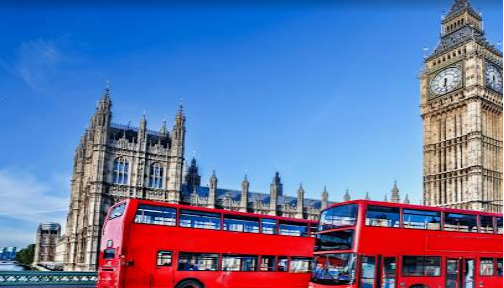
London is a city of endless photographic possibilities. From the grandeur of Westminster Abbey and the Houses of Parliament to the modern marvel of the Shard and the historic Tower Bridge, its landmarks are globally recognizable. However, truly photogenic London shots often come from finding unique perspectives – whether it’s a long exposure of traffic around Piccadilly Circus, a candid street scene in Notting Hill, or capturing the juxtaposition of old and new architecture. Experiment with different times of day and night to reveal the city’s multifaceted character.
Edinburgh: A City of Castles and Cobblestones
Edinburgh, Scotland’s capital, presents a dramatic cityscape dominated by its imposing castle perched atop an extinct volcano. The Royal Mile, leading from the castle to Holyrood Palace, is a treasure trove of historic architecture and narrow closes. Capturing Edinburgh’s essence involves wide-angle shots of the castle against the sky, intimate details of ancient closes, and panoramic views from Arthur’s Seat or Calton Hill. The city’s atmospheric quality, especially under moody skies, makes for incredibly evocative photography.
Coastal Wonders & Ancient Mysteries: Beyond the Beaten Path
The UK’s coastline offers a dramatic interface between land and sea, while its ancient sites connect us to millennia of human history. These less conventional but equally photogenic spots provide unique challenges and rewards for the intrepid photographer.
The White Cliffs of Dover: Nature’s Grand Entrance
The iconic White Cliffs of Dover, stretching along the Kent coast, are a symbol of Britain’s resilience and natural beauty. Their stark white chalk faces, contrasting with the deep blue of the English Channel, offer a powerful visual. Capturing them from various vantage points along the coastal path or even from the sea (via a boat tour) can yield stunning results. The challenge lies in conveying their immense scale and the raw power of the elements.
Stonehenge: Unraveling Ancient Secrets
Stonehenge, the prehistoric monument in Wiltshire, is an enigma carved in stone. While often photographed from afar, capturing its mystical aura requires thoughtful composition and an appreciation for its ancient significance. Dawn and dusk are prime times, when the low light casts long shadows and imbues the stones with an ethereal glow. Understanding its alignment with solstices and equinoxes can inspire unique thematic shots, connecting the viewer to its astronomical purpose.
Pro Tips for Photographing the UK: Maximizing Your Shots
To truly elevate your UK travel photography, consider these expert tips that go beyond basic composition and gear. These insights will help you adapt to the unique challenges and opportunities presented by the British landscape and culture.
- Embrace the Golden and Blue Hours: The UK’s northern latitude means longer golden hours (just after sunrise, just before sunset) and blue hours (twilight). These periods offer soft, warm, or cool light that dramatically enhances landscapes and cityscapes.
- Pack for All Seasons (Often in One Day): British weather is famously unpredictable. Bring waterproof gear for yourself and your camera, sturdy footwear, and layers. A sudden shower can lead to stunning dramatic skies or rainbows.
- Look for Leading Lines and Framing: Utilize natural elements like ancient stone walls, winding country roads, or architectural features to guide the viewer’s eye through your composition. Archways, windows, and tree branches can provide excellent natural frames.
- Tell a Story with Your Images: Instead of just documenting a scene, think about the narrative. What emotions does the place evoke? Include people (with permission) to add scale and a human element, or focus on details that reveal local culture.
- Research Local Events and Festivals: Beyond landscapes, the UK hosts numerous vibrant festivals, parades, and historical re-enactments throughout the year. These can provide incredible opportunities for dynamic and colourful cultural photography.
- Utilize Filters: A polarizing filter can reduce glare on water and intensify blue skies. Neutral Density (ND) filters are excellent for long exposures, smoothing out water or clouds and creating a sense of movement in busy scenes.
Planning Your Photogenic UK Journey: A Checklist for Success
A successful photography trip to the UK requires careful planning. This checklist will help ensure you’re prepared for every eventuality, from gear to logistics, allowing you to focus on capturing incredible images.
| Aspect | Checklist Item | Notes for Photographers |
|---|---|---|
| Gear Preparation | Camera Body & Lenses | Wide-angle for landscapes/architecture, telephoto for wildlife/details, prime lens for low light. |
| Extra Batteries & Charger | Crucial, especially in cold weather where battery life drains faster. | |
| Memory Cards | Plenty of storage for high-resolution images. | |
| Tripod | Essential for low-light, long exposures, and sharp landscapes. | |
| Filters (Polarizer, ND) | Enhance skies, reduce glare, enable long exposures. | |
| Rain Cover for Camera/Bag | Protect gear from unpredictable British weather. | |
| Cleaning Kit | Lens cloth, air blower to keep lenses spotless. | |
| Logistics & Safety | Accommodation Booking | Book well in advance, especially for popular areas like the Lake District or Isle of Skye. |
| Transportation Plan | Consider car rental for flexibility in rural areas; public transport for cities. | |
| Local Maps & GPS | Offline maps are useful where signal is poor. | |
| Travel Insurance | Cover for equipment theft/damage and medical emergencies. | |
| Power Adapter (Type G) | UK uses a distinct 3-pin plug. | |
| Pre-Trip Research | Location-Specific Photo Spots | Identify key viewpoints and times of day for best light. |
| Sunrise/Sunset Times | Plan your shooting schedule around golden and blue hours. | |
| Weather Forecast | Monitor closely, but be prepared for changes. | |
| Entry Requirements & Visas | Ensure you meet all travel regulations for the UK. |
Frequently Asked Questions (FAQ)
- What is the best time of year to photograph the UK?
- Spring (April-May) offers blooming flowers and longer daylight, while Autumn (September-October) provides stunning foliage colours. Summer (June-August) has the longest days but also the most crowds. Winter (November-March) can be challenging with shorter days but offers dramatic, moody light and potential snowscapes, especially in the north.
- Do I need special permits to photograph in the UK?
- Generally, no permits are required for personal photography in public spaces. However, certain private properties, historical sites, or events might have restrictions or require commercial permits. Always check specific venue rules, especially if using a tripod in a crowded area or planning drone photography.
- What are some common pitfalls for photographers visiting the UK?
- Underestimating the unpredictable weather, failing to pack appropriate gear (especially rain protection), not accounting for driving on the left, and being unprepared for narrow, winding country roads are common issues. Also, remember that popular spots can get very crowded, so plan for early mornings or late evenings.
- How can I capture the “essence” of a UK location beyond just a pretty picture?
- Focus on storytelling. Research the history and local culture of a place. Look for details that convey character – a weathered pub sign, a unique architectural feature, or a local artisan at work. Incorporate elements that show scale and human interaction. Patience and observation are key to moving beyond generic tourist shots.
- Is it worth bringing a drone for photography in the UK?
- Drone photography can offer incredible perspectives, but regulations in the UK are strict. You must adhere to the Drone Code, register your drone, and be aware of no-fly zones (e.g., near airports, major events, national parks often have restrictions). Always check local rules for your specific location before flying to avoid fines or confiscation.