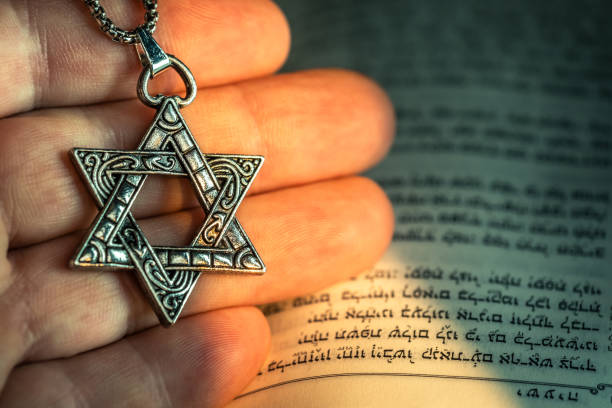
The Intersection of Judaism and Modern Society
The relationship between ancient Jewish tradition and the rapidly evolving landscape of modern society is defined by a dynamic tension. For centuries, Jewish communities have navigated the challenge of maintaining religious identity while participating in secular public life. This integration is not merely a compromise but a sophisticated theological and sociological process of adaptation.
Core Challenges of Integration
Modernization brings secular values that occasionally conflict with traditional Halakhic (Jewish Law) mandates. The primary challenge involves reconciling individual autonomy—a hallmark of modern Western culture—with the communal and divine obligations inherent in Jewish practice.
- Ethical Alignment: Harmonizing modern human rights with ancient biblical codes.
- Cultural Preservation: Maintaining linguistic and ritual distinctiveness in an era of globalization.
- Institutional Adaptability: How synagogues and communal bodies respond to demographic shifts.

Jewish Doctrines on Marriage and Family
In Judaism, marriage is perceived as a sacred covenant (Kiddushin), elevating a physical union to a spiritual partnership. The doctrine emphasizes mutual responsibility, where both spouses contribute to the sanctity of the home, transforming daily life into a vessel for divine blessing.
The Theological Basis of Family Life
Family is the foundational unit of Jewish continuity. The responsibility of parents to pass down traditions to children is a central mitzvah. Through the lens of faith and responsibility, marriage is not just a personal agreement but a commitment to the collective history of the Jewish people.
| Aspect | Traditional View | Modern Adaptation |
|---|---|---|
| Marriage Purpose | Procreation and Covenant | Partnership and Spiritual Growth |
| Family Role | Preservation of Tradition | Transmission of Values in a Secular World |

Understanding Mitzvah and Bat Mitzvah
The Mitzvah represents the transition from childhood to the age of moral and religious accountability. While the Bar Mitzvah for boys has long been established, the Bat Mitzvah for girls has become a powerful symbol of the evolving religious status of Jewish women, signifying their full participation in communal life.
The Significance of the Rite of Passage
These ceremonies are more than just celebrations; they mark the legal entry into the community of Israel. By accepting the “yoke of the commandments,” young adults take on the responsibility to uphold the ethics and rituals that define their heritage.

The Religious Status of Jewish Women
The narrative surrounding the religious status of Jewish women is one of profound historical evolution. Figures like Sofia Bellman have highlighted the necessity of re-examining traditional texts to reflect the increasing agency of women in religious leadership, scholarship, and ritual practice.
Pathways for Future Development
Modern Jewish movements are increasingly inclusive, providing women with platforms to engage in deep study and communal governance. This shift represents a broader movement toward recognizing the inherent value and intellectual potential of women within the framework of Torah study.
Frequently Asked Questions (FAQ)
- Q1: How does modern Judaism reconcile with secular technology?
- Modern Judaism utilizes technology to enhance study and connection, provided it does not violate the sanctity of the Sabbath or core ethical principles. The focus remains on how to use tools to serve the community better.
- Q2: What is the primary purpose of a Bat Mitzvah?
- It serves as a public declaration of a girl’s commitment to Jewish law and community responsibilities, marking her transition to religious adulthood and personal accountability.
- Q3: Has the role of women in Jewish law changed significantly?
- Yes, while the core of Halakha remains, the interpretation and the participation of women in leadership and scholarship have expanded considerably in many modern movements.
- Q4: Why is marriage considered a covenant in Judaism?
- It is viewed as a holy union that mirrors the relationship between God and the Jewish people, emphasizing mutual commitment, sanctification, and shared responsibility for the future of the faith.