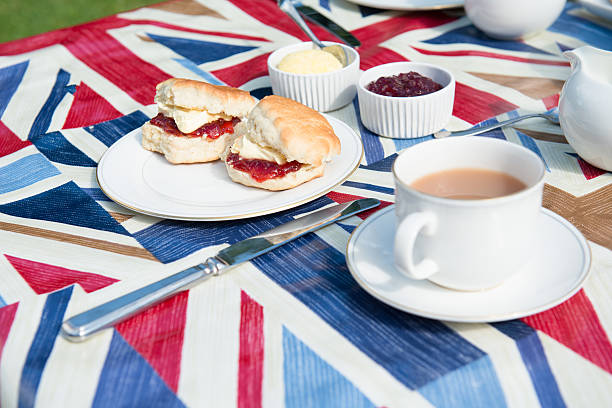
British afternoon tea is more than just a mid-day snack; it is a sophisticated cultural institution that embodies the grace and social structure of Victorian England. While tea consumption in Britain dates back to the 17th century, the specific ritual of “Afternoon Tea” was a later innovation that filled a literal and metaphorical void in the daily lives of the upper class.
The Origins of Afternoon Tea: A Royal Innovation
The credit for inventing afternoon tea is widely attributed to Anna Maria Russell, the 7th Duchess of Bedford, in the year 1840. During this era, it was customary to serve only two main meals: a hearty breakfast and a late dinner around 8:00 PM. This left a long “sinking feeling” in the late afternoon.
The Duchess’s Solution
To combat her hunger, the Duchess began requesting a tray of tea, bread and butter, and cake to be brought to her dressing room at 4:00 PM. This private habit soon became a social event as she began inviting friends to join her at Belvoir Castle. By the time Queen Victoria adopted the practice, it had transformed into a full-scale social ritual known as “tea receptions,” which could host up to 200 guests.
Pro Tip: The Traditional Timing
While modern cafes serve tea all day, traditionalists argue that true afternoon tea should be served strictly between 3:30 PM and 5:00 PM. This maintains the historical purpose of the meal as a bridge between lunch and dinner.

The Anatomy of a Traditional Afternoon Tea Menu
A proper afternoon tea is a structured culinary experience, typically served on a three-tier silver stand. Each level represents a specific course that should be consumed in a particular order to appreciate the balance of flavors.
The Savory Tier: Finger Sandwiches
The bottom tier consists of delicate crustless sandwiches. Traditional fillings include cucumber with minted butter, smoked salmon with cream cheese, egg mayonnaise with cress, and roast beef with horseradish. The bread must be thinly sliced and the sandwiches shaped into neat “fingers” or small triangles.
The Middle Tier: Scones and Clotted Cream
The centerpiece of the meal is the scone. A perfect scone should be served warm, accompanied by thick clotted cream (historically from Devon or Cornwall) and strawberry jam. The debate over whether to apply the cream first (Devon method) or the jam first (Cornish method) remains a point of playful contention in British culture.
The Top Tier: Patisserie and Sweets
The final course features an assortment of bite-sized cakes, tarts, and macarons. These are designed to be visually stunning and provide a sweet conclusion to the experience.

Afternoon Tea vs. High Tea: Clearing the Confusion
One of the most common misconceptions in global culinary history is the interchangeable use of “Afternoon Tea” and “High Tea.” Historically, these two terms represented very different social classes and settings.
| Feature | Afternoon Tea (Low Tea) | High Tea (Meat Tea) |
|---|---|---|
| Social Class | Upper Class / Aristocracy | Working Class / Laborers |
| Setting | Low, comfortable parlor chairs | High dining tables and stools |
| Primary Food | Scones, sandwiches, sweets | Hot meats, pies, bread, cheese |
| Purpose | Socializing and light refreshment | A substantial meal after a workday |
The term “Low Tea” referred to the low chairs and sofas used in drawing rooms, whereas “High Tea” was served at the high dinner table. Today, many luxury hotels mistakenly use the term “High Tea” to sound more prestigious, despite serving a traditional “Afternoon Tea” menu.

The Art of Brewing and Etiquette
To host a truly authentic afternoon tea, one must adhere to the technical standards of tea preparation and the unspoken rules of the table.
Technical Brewing Checklist
- Water Quality: Always use fresh cold water; re-boiling water loses oxygen and results in a flat-tasting tea.
- Pre-warming: Swirl hot water in the teapot before adding tea leaves to maintain a consistent temperature.
- Loose Leaf Only: Traditionalists eschew tea bags in favor of high-quality loose-leaf Earl Grey, Darjeeling, or Assam.
- Steep Time: Black teas generally require 3 to 5 minutes of steeping to release their full aromatic profile.
Essential Etiquette Rules
Etiquette is the backbone of the tea ritual. When stirring your tea, the spoon should move in a 6-to-12 o’clock motion without hitting the sides of the cup. Once finished, the spoon must be placed on the saucer behind the cup. Furthermore, the “pinky up” gesture is actually a common myth—the handle should be gripped firmly but delicately between the thumb and index finger.
Frequently Asked Questions (FAQ)
- Is there a specific dress code for afternoon tea?
- While it varies by venue, most traditional tea rooms require “smart casual” attire. This typically means no sportswear, trainers, or ripped jeans. In high-end London hotels, men are often expected to wear a jacket.
- Should I put milk in the cup before or after the tea?
- Historically, milk was put in first to prevent the hot tea from cracking low-quality porcelain. However, with modern bone china, the etiquette is to pour tea first, then add milk, as this allows you to judge the strength and color of the brew accurately.
- How do you eat a scone properly?
- Scones should never be cut with a knife. Instead, they should be broken apart gently by hand. Each bite-sized piece should be topped with cream and jam individually rather than sandwiching the whole scone back together.
- What is the most popular tea for afternoon tea?
- Earl Grey remains the most iconic choice due to its citrusy bergamot notes which pair perfectly with sweets. However, English Breakfast and Darjeeling (the “Champagne of teas”) are also staples.
- Can afternoon tea be a vegetarian or vegan experience?
- Absolutely. Most modern establishments now offer dedicated vegetarian, vegan, and gluten-free menus that mirror the traditional three-tier structure using plant-based alternatives for cream and savory fillings.