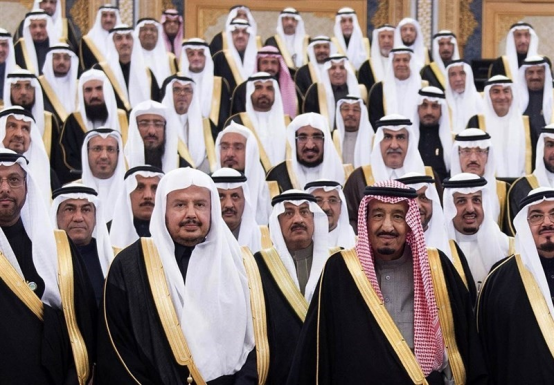
Saudi Arabia, a nation synonymous with vast oil wealth and deep-rooted traditions, has undergone a seismic shift in its political landscape with the dramatic rise of Prince Mohammed bin Salman (MBS). His ascent, often described as a “royal storm,” has reshaped not only the internal power dynamics of the Al-Saud family but also the kingdom’s role on the global stage. This comprehensive pillar page will dissect the intricate journey of MBS, from his early life to his current position as the de facto ruler, exploring the strategic decisions, internal challenges, and visionary reforms that define his era. Understanding this transformation requires a deep dive into the historical context of Saudi succession, the economic imperatives driving diversification, and the geopolitical ambitions that underpin his leadership.
This guide aims to provide an exhaustive analysis of the forces at play, offering insights into the “why” behind MBS’s bold moves, the underlying principles guiding Vision 2030, and the potential future trajectories for a kingdom in flux. From the consolidation of power to the ambitious economic and social reforms, we will unravel the complexities of Saudi Arabia’s modern narrative, providing a definitive resource for comprehending one of the 21st century’s most impactful political transitions.
Historical Context: The Al-Saud Succession & Power Dynamics
To fully grasp Prince Mohammed bin Salman’s rise, it is crucial to understand the historical framework of succession within the House of Al-Saud. Unlike many monarchies, Saudi Arabia traditionally adhered to a system of agnatic seniority, where power passed laterally among the sons of the founder, King Abdulaziz ibn Saud, before potentially moving to the next generation. This system, while ensuring stability for decades, created an aging leadership and a sprawling network of princes with varying degrees of influence and patronage. The “royal storm” that saw MBS ascend was, in many ways, an inevitable collision between this traditional system and the demands of modern governance and generational change.
The Founding Principles of Saudi Governance
The Kingdom of Saudi Arabia was founded on a delicate balance of tribal allegiances, religious legitimacy (Wahhabism), and the absolute authority of the Al-Saud family. The early kings, particularly King Abdulaziz, meticulously crafted a system that distributed power and wealth among his numerous sons, ensuring loyalty and preventing internal strife. This distribution, however, also led to a complex web of overlapping responsibilities and a lack of clear lines of succession, especially as the founding generation aged. The sheer number of eligible princes meant that decision-making could be slow and consensus-driven, often at the expense of swift policy implementation.
Challenges of the Agnatic Succession Model
By the early 21st century, the agnatic seniority model was showing significant strain. The average age of Saudi kings and crown princes was steadily increasing, raising concerns about their capacity to lead a young, rapidly growing population facing global challenges. The system also fostered a culture of patronage and resistance to radical change, as each senior prince had his own network of supporters and vested interests. This made it difficult to push through ambitious reforms necessary for economic diversification away from oil, or to address pressing social issues. MBS’s rise can be seen as a direct response to these systemic limitations, a bold move to consolidate power and accelerate decision-making to tackle these long-standing issues head-on.
The Early Years: MBS’s Emergence and Strategic Moves
Mohammed bin Salman’s journey to power was not a conventional one. Unlike many of his elder cousins who were groomed for decades in various ministerial roles, MBS’s ascent was remarkably swift and characterized by a series of shrewd, audacious strategic moves. His initial entry into the corridors of power was through his father, King Salman bin Abdulaziz Al Saud, whom he served as a special advisor when Salman was Governor of Riyadh and later as Minister of Defense. This proximity provided him with invaluable insights into the inner workings of the royal court and the state apparatus.
Key Appointments and Power Accumulation
Upon his father’s ascension to the throne in January 2015, MBS was immediately appointed Minister of Defense, a significant portfolio traditionally held by senior princes. Simultaneously, he was made Secretary-General of the Royal Court and Chairman of the newly formed Council for Economic and Development Affairs (CEDA). These appointments were pivotal. The Ministry of Defense gave him control over the military, while CEDA provided a powerful platform to influence economic policy, bypassing traditional ministries and consolidating economic planning under his direct purview. This dual control over security and economy laid the groundwork for his unprecedented authority.
The Yemen Intervention and Regional Assertiveness
One of MBS’s first major policy decisions as Minister of Defense was the initiation of Operation Decisive Storm in Yemen in March 2015, leading a coalition against Houthi rebels. This intervention marked a significant shift in Saudi foreign policy, moving from a more cautious, behind-the-scenes approach to a more assertive and interventionist stance. While controversial and costly, the Yemen war solidified MBS’s image as a decisive leader willing to project Saudi power in the region, both internally within the kingdom and externally to allies and adversaries alike. It was a clear signal that a new, more dynamic leadership was at the helm.
Consolidating Power: The “Royal Storm” and Its Aftermath
The term “royal storm” aptly describes the dramatic and often ruthless methods employed by Mohammed bin Salman to consolidate his power. His ascent was not merely a matter of promotion but a deliberate and systematic dismantling of alternative power centers within the royal family, the religious establishment, and the business elite. This period was marked by bold, unprecedented actions that sent shockwaves both domestically and internationally, forever altering the landscape of Saudi politics.
The 2017 Anti-Corruption Purge at the Ritz-Carlton
Perhaps the most emblematic event of MBS’s power consolidation was the anti-corruption purge in November 2017. Dozens of high-ranking princes, ministers, and prominent businessmen were detained at the Ritz-Carlton hotel in Riyadh, accused of corruption. While framed as an anti-graft campaign, many analysts viewed it as a strategic move to neutralize potential rivals, extract financial resources, and centralize control over the kingdom’s vast wealth. The purge effectively removed many influential figures who might have opposed his reforms or challenged his authority, sending a clear message about the new rules of engagement within the kingdom.
Marginalization of Traditional Power Brokers
Beyond the Ritz-Carlton purge, MBS systematically marginalized other traditional power brokers. This included reducing the influence of the powerful religious establishment (the Ulema) by curtailing the powers of the religious police and promoting a more moderate interpretation of Islam. He also reshaped the structure of government, bringing various agencies under his direct control and bypassing established bureaucratic channels. This allowed him to push through reforms with unprecedented speed, but also concentrated immense power in his hands, raising questions about checks and balances.
Vision 2030: Economic Reforms and Social Transformation
At the heart of Mohammed bin Salman’s agenda is Vision 2030, an ambitious blueprint for transforming Saudi Arabia into a global investment powerhouse and diversifying its economy away from its near-total reliance on oil. This vision is not just an economic plan; it encompasses sweeping social reforms designed to modernize the kingdom and enhance the quality of life for its citizens. It represents a fundamental reorientation of Saudi society and economy.
Pillars of Economic Diversification
Vision 2030 rests on several key economic pillars:
- Public Investment Fund (PIF): Transforming the PIF into the world’s largest sovereign wealth fund, investing globally and domestically in non-oil sectors.
- NEOM: Building a futuristic mega-city, NEOM, designed to be a hub for innovation, technology, and sustainable living, attracting foreign investment and talent.
- Tourism and Entertainment: Developing a robust tourism sector, including mega-projects like the Red Sea Project and Qiddiya, and opening up the country to international visitors. This includes lifting previous restrictions on entertainment and cultural events.
- Privatization: Partial privatization of state-owned assets, most notably Aramco, to generate revenue and improve efficiency.
- SME Development: Fostering small and medium-sized enterprises (SMEs) to create jobs and stimulate innovation.
Social Reforms and Cultural Shifts
Accompanying the economic reforms are significant social changes that have dramatically altered daily life in Saudi Arabia:
- Women’s Rights: Lifting the ban on women driving, allowing women to attend sporting events, and easing male guardianship laws, giving women more autonomy and opportunities in the workforce.
- Entertainment and Arts: Reintroducing cinemas, concerts, and public entertainment, which were previously restricted, aiming to improve the quality of life and create new industries.
- Religious Moderation: Promoting a more moderate form of Islam, reducing the influence of hardline clerics, and emphasizing a return to a more inclusive interpretation of religious texts.
These reforms, while widely welcomed by many Saudis, particularly the youth, have also been met with some resistance from conservative elements within society.
Geopolitical Ambitions and Challenges
MBS’s leadership has also ushered in a new era of Saudi foreign policy, characterized by a more assertive and independent stance. While maintaining strong ties with traditional allies like the United States, Saudi Arabia under MBS has also pursued its own strategic interests, sometimes leading to friction and controversy on the international stage.
Regional Rivalries and Alliances
Saudi Arabia’s foreign policy under MBS has been largely defined by its rivalry with Iran, competing for regional influence across the Middle East. This has manifested in proxy conflicts, such as in Yemen, and diplomatic efforts to counter Iranian expansion. Simultaneously, MBS has sought to strengthen alliances with other regional powers, including the UAE and Bahrain, forming a bloc to address shared security concerns. More recently, there have been efforts towards de-escalation with Iran and engagement with Israel, indicating a pragmatic shift in foreign policy.
International Scrutiny and Human Rights Concerns
MBS’s tenure has not been without significant international challenges. The Yemen war has drawn widespread criticism for its humanitarian impact. The 2018 assassination of journalist Jamal Khashoggi at the Saudi consulate in Istanbul sparked global outrage and led to significant diplomatic fallout, tarnishing MBS’s international image. These events have brought intense scrutiny on Saudi Arabia’s human rights record and raised questions about governance and accountability within the kingdom.
Pro Tips: Navigating the Future of Saudi Leadership
Understanding Saudi Arabia’s future under Prince Mohammed bin Salman requires a nuanced perspective, blending historical context with an awareness of ongoing transformations. Here are some expert tips for interpreting the evolving landscape:
Deciphering the “Why” Behind the “What”
Always look beyond the immediate headlines to understand the underlying motivations for Saudi policy decisions. Many of MBS’s bold moves, from social reforms to economic diversification, are driven by a recognition of the kingdom’s demographic realities (a young population) and the imperative to prepare for a post-oil future. His actions, though sometimes controversial, are often rooted in a long-term vision for Saudi Arabia’s survival and prosperity in a rapidly changing world.
The Balance of Tradition and Modernity
Saudi Arabia remains a deeply conservative society, even amidst rapid modernization. The reforms introduced by MBS, while transformative, are carefully calibrated to maintain a balance with religious and cultural traditions. Future changes will likely continue this delicate dance, pushing boundaries while attempting to preserve core societal values. Watch for how the state manages dissent from both traditionalists and those seeking even faster liberalization.
Geopolitical Pragmatism
Saudi foreign policy under MBS is increasingly pragmatic. While historical alliances remain important, the kingdom is demonstrating a willingness to forge new partnerships and engage with former adversaries when it serves its national interests. This flexibility means that alliances and rivalries are fluid, driven by economic opportunities and security concerns rather than rigid ideological stances. Pay attention to trade agreements, investment flows, and multilateral engagements as indicators of future geopolitical alignments.
Key Aspects of Saudi Transformation Under MBS
| Aspect | Pre-MBS Era (Traditional) | MBS Era (Vision 2030) |
|---|---|---|
| Succession Model | Agnatic seniority (elder sons), slow, consensus-driven | Direct line (father to son), swift, centralized |
| Economic Focus | Heavy reliance on oil exports, state-controlled | Diversification (tourism, tech, entertainment), private sector growth |
| Women’s Rights | Strict guardianship, driving ban, limited public roles | Relaxed guardianship, driving allowed, increased workforce participation |
| Social/Cultural Life | Conservative, limited entertainment, strong religious police | More liberalized, cinemas, concerts, reduced religious police power |
| Foreign Policy | Cautious, consensus-based, reactive | Assertive, proactive, pragmatic, direct interventions |
| Internal Dissent | Managed through patronage and religious legitimacy | Suppressed through anti-corruption purges, increased surveillance |
Frequently Asked Questions (FAQ)
- What is the significance of Vision 2030 for Saudi Arabia?
- Vision 2030 is Saudi Arabia’s strategic framework to reduce its dependence on oil, diversify its economy, and develop public service sectors such as health, education, infrastructure, recreation, and tourism. It aims to transform the kingdom into a global investment powerhouse and a hub connecting three continents, fundamentally reshaping its economic and social fabric for future generations.
- How did Prince Mohammed bin Salman consolidate his power so rapidly?
- MBS’s rapid consolidation of power involved several key strategies: gaining control of critical ministries (Defense, Economy) upon his father’s ascension, bypassing traditional bureaucratic structures, and most notably, the anti-corruption purge of 2017 which neutralized potential rivals within the royal family and business elite. He also strategically marginalized the religious establishment and promoted a younger generation of loyalists.
- What are the main criticisms leveled against MBS’s leadership?
- Major criticisms include the human rights record, particularly the handling of dissent, the war in Yemen and its humanitarian impact, and the assassination of journalist Jamal Khashoggi. Concerns also exist regarding the concentration of power, lack of transparency in governance, and the pace of social reforms which some find too slow and others too rapid.
- What impact has MBS had on Saudi women’s rights?
- Under MBS’s leadership, significant reforms have been introduced for women, including lifting the ban on women driving, allowing women to attend sporting events, and easing some aspects of the male guardianship system. These changes have increased women’s autonomy and participation in the workforce and public life, though advocates continue to push for further reforms.
- How has Saudi Arabia’s foreign policy changed under MBS?
- Saudi foreign policy has become more assertive and pragmatic. While maintaining alliances with the West, MBS has pursued independent strategic interests, notably through direct intervention in Yemen and a strong stance against Iran. More recently, there have been signs of de-escalation with regional rivals and a focus on economic diplomacy, indicating a flexible and interest-driven approach to global relations.