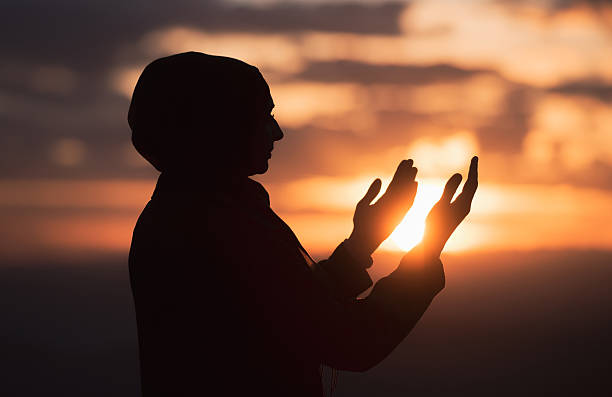
Islam, a comprehensive way of life for over a billion people worldwide, is built upon a profound framework of core values, fundamental articles of faith, and essential acts of worship. These foundational elements are not merely abstract concepts but practical guidelines that shape every aspect of a Muslim’s existence, from individual spirituality to societal interactions. Understanding these principles is key to grasping the depth and holistic nature of the Islamic tradition, revealing how faith, morality, and daily practice are intrinsically interwoven to foster a life of purpose, submission, and peace.
Understanding the Foundations of Islam: Core Values
At its heart, Islam emphasizes a set of immutable core values that define a believer’s relationship with God, humanity, and the environment. These values serve as the ethical compass, guiding moral conduct and shaping the very essence of an Islamic worldview. They are not merely suggestions but foundational principles upon which the entire spiritual and social structure of Islam rests, ensuring a balanced and righteous existence.
Tawhid: The Oneness of God
The most central and uncompromising value in Islam is Tawhid, the absolute oneness and indivisibility of God (Allah). This principle asserts that there is only one Creator and Sustainer of the universe, who is unique, unparalleled, and without partners. Tawhid profoundly impacts a Muslim’s life by fostering a direct relationship with God, eliminating intermediaries, and instilling a sense of universal unity and dependence solely on the Divine. It rejects any form of polytheism, idolatry, or attributing divine qualities to creation, ensuring all worship and devotion are directed exclusively towards Allah.
- Unity: Emphasizes the singular source of all creation and guidance.
- Submission: Encourages complete surrender to God’s will as the ultimate authority.
- Purpose: Provides a clear sense of life’s meaning, centered around God’s pleasure.
Risalah: Prophethood and Divine Guidance
Risalah refers to the belief in prophethood, acknowledging that God has communicated His guidance to humanity through a chain of prophets and messengers. These divinely appointed individuals, including Adam, Noah, Abraham, Moses, Jesus, and finally Muhammad (peace be upon them all), served as conduits for divine revelation, delivering God’s messages to guide mankind towards righteousness and truth. Their lives and teachings provide practical examples of how to live in accordance with God’s will, clarifying spiritual and moral principles.
Prophets were chosen for their impeccable character and integrity, ensuring the purity and accuracy of the messages they conveyed. Their mission was to remind people of Tawhid, to establish justice, and to teach humanity how to worship God correctly and live ethically.
Akhirah: Accountability and the Hereafter
The concept of Akhirah, or the Hereafter, is a cornerstone of Islamic values, emphasizing accountability for one’s actions in this life. Muslims believe in a Day of Judgment when all individuals will be resurrected and held responsible for their deeds, leading to either eternal reward in Paradise or eternal punishment in Hell. This belief instills a profound sense of responsibility and moral consciousness, encouraging believers to live righteously, seek justice, and avoid transgression, knowing that ultimate justice will be served.
- Day of Judgment: A universal reckoning where all deeds are weighed.
- Heaven (Jannah): The ultimate reward for the righteous, filled with eternal bliss.
- Hell (Jahannam): The consequence for those who defied God’s commands and committed grave sins without repentance.
Adl: Justice and Equity
Adl, or justice, is a paramount value in Islam that extends to all aspects of life. It encompasses fairness, equity, and righteousness in dealings with God, oneself, and others. Islam mandates upholding justice even against one’s own interests or those of close relatives, emphasizing impartiality and truth. This value promotes social harmony, protects the rights of the vulnerable, and establishes a society founded on fairness and moral integrity. Justice is seen as a divine attribute, and believers are enjoined to reflect this attribute in their conduct.
The pursuit of justice is not merely a legal or social obligation but a spiritual imperative, deeply rooted in the belief that God is the ultimate arbiter of justice. This inspires Muslims to strive for equitable systems and to speak out against oppression.
Ihsan: Excellence and Benevolence
Ihsan signifies excellence, benevolence, and doing good for the sake of God, as if one is seeing God, or at least knowing that God sees them. It represents the highest level of spiritual awareness and ethical conduct, urging believers to perform all actions with sincerity, perfection, and a deep sense of consciousness of God’s presence. Ihsan goes beyond mere obligation, inspiring individuals to act with kindness, compassion, and generosity in all their interactions, fostering inner peace and outer beauty in their lives and communities.
This value encourages a profound level of inner spirituality and meticulous attention to detail, transforming mundane tasks into acts of worship and fostering a continuous state of mindfulness.

The Six Pillars of Islamic Faith (Iman)
Complementing the core values are the Six Pillars of Islamic Faith, also known as the articles of Iman. These are the fundamental beliefs that constitute a Muslim’s inner conviction and form the bedrock of their spiritual identity. They represent the intellectual and spiritual framework upon which a believer’s understanding of the universe and their place within it is built. Adherence to these pillars is essential for a complete and sound faith.
Belief in Allah (God)
The foremost pillar is the unwavering belief in Allah, the one, unique, and incomparable God. This belief encompasses His absolute oneness (Tawhid), His perfect attributes (such as being All-Knowing, All-Powerful, All-Merciful, and All-Just), and His sole right to be worshipped. It means recognizing Him as the Creator, Sustainer, and ultimate Controller of everything, and rejecting any form of polytheism or associating partners with Him. This belief provides a sense of purpose, direction, and ultimate reliance.
- Absolute Oneness: Allah is one, without partners or equals.
- Unique Attributes: He possesses all perfect qualities, free from any imperfections.
- Sole Right to Worship: All devotion, prayer, and submission are due to Him alone.
Belief in His Angels
Muslims believe in the existence of Angels, unseen beings created by God from light, who serve Him unconditionally. Angels have specific roles and duties, such as conveying messages, recording deeds, guarding individuals, and praising God. They are pure, obedient, and possess no free will to disobey God’s commands. Belief in angels reinforces the understanding of a vast, unseen spiritual realm and the meticulous order of the universe under God’s command.
Recognizing the presence and functions of angels reminds believers of the constant divine oversight and the spiritual forces at play in the world.
Belief in His Books
This pillar entails believing in the divine revelations (Books) sent by God to various prophets throughout history. These books include the Torah (revealed to Moses), the Psalms (to David), the Gospel (to Jesus), and the Qur’an (to Muhammad). Muslims believe the Qur’an is the final and preserved word of God, completing and superseding previous scriptures, which may have been altered or lost over time. These books provide guidance, laws, and wisdom for humanity’s spiritual and moral development.
The Qur’an, as the ultimate revelation, serves as the primary source of Islamic law and ethical teachings, providing a comprehensive guide for all aspects of life.
Belief in His Messengers
Belief in God’s Messengers is the conviction that God sent prophets to every nation and community to guide them towards monotheism and righteous living. This includes acknowledging all prophets mentioned in the Qur’an and Sunnah, from Adam to Muhammad, as chosen individuals who delivered divine messages. Muhammad is considered the Seal of the Prophets, meaning no prophet will come after him, and his message is universal for all of humanity until the Day of Judgment.
Each prophet brought a message tailored to their time and people, but the core message of Tawhid remained consistent across all revelations.
Belief in the Day of Judgment
The belief in the Day of Judgment (Yawm al-Qiyamah) is a fundamental article of faith, asserting that life on Earth is temporary and that all individuals will eventually die, be resurrected, and held accountable for their beliefs and actions. This day will mark the ultimate triumph of divine justice, where good deeds will be rewarded with Paradise and evil deeds punished with Hell. This belief serves as a powerful motivator for ethical conduct, personal responsibility, and striving for righteousness in this life.
The Day of Judgment emphasizes the transient nature of worldly life and the eternal consequences of one’s choices, encouraging a life of piety and mindfulness.
Belief in Divine Decree (Qadar)
The final pillar is the belief in Divine Decree (Qadar), which encompasses God’s omniscience and omnipotence, meaning He knows and has decreed everything that will happen. This belief does not negate human free will or responsibility. Instead, it teaches that while God has knowledge of all events, humans still have the choice to act, and they are accountable for their choices. Qadar instills a sense of peace, reliance on God, and resilience in the face of adversity, knowing that everything ultimately occurs by His wisdom.
This pillar promotes a balanced understanding of divine will and human effort, encouraging active engagement in life while trusting in God’s ultimate plan.

The Five Pillars of Islam (Ibadah)
While the Six Pillars of Faith represent inner conviction, the Five Pillars of Islam are the fundamental acts of worship that outwardly manifest a Muslim’s submission to God. These practices form the framework of a Muslim’s daily life, providing a structured path for spiritual growth, self-discipline, and communal solidarity. They are obligatory for all Muslims who are able and collectively represent the essence of Islamic practice (Ibadah).
Shahada: Declaration of Faith
The Shahada is the declaration of faith, the most fundamental pillar, stating: “There is no god but Allah, and Muhammad is His messenger.” This simple yet profound statement is the gateway to Islam. To become a Muslim, one must utter this declaration sincerely, understanding and accepting its meaning. It signifies a conscious commitment to Tawhid and the prophethood of Muhammad, establishing the core identity of a believer. The Shahada is not just a verbal utterance but a heartfelt conviction that shapes one’s entire life.
Its constant recitation, even in daily life, serves as a reminder of the ultimate truth and a reaffirmation of one’s devotion.
Salat: Prayer
Salat refers to the five obligatory ritual prayers performed daily by Muslims, facing the Kaaba in Mecca. These prayers occur at dawn (Fajr), noon (Dhuhr), mid-afternoon (Asr), sunset (Maghrib), and night (Isha). Salat is a direct spiritual connection with God, fostering discipline, humility, and remembrance. It involves a series of physical postures and recitations from the Qur’an, serving as a constant reminder of God’s presence and one’s purpose in life, purifying the soul and deterring from sin.
The regularity of Salat punctuates the day with moments of devotion, providing spiritual solace and reinforcing the bond between the individual and their Creator.
Zakat: Obligatory Charity
Zakat is an obligatory annual charity paid by Muslims who meet a certain threshold of wealth (nisab). It is typically 2.5% of one’s savings, gold, silver, or other specified assets. Zakat is not merely charity but a right of the poor and needy upon the wealthy, purifying the giver’s wealth and fostering social justice and economic equality within the community. Its distribution ensures that wealth circulates and supports those less fortunate, embodying the Islamic values of compassion and mutual responsibility.
This pillar serves as a practical application of the value of Adl (justice) and Ihsan (benevolence), ensuring societal welfare and reducing economic disparities.
Sawm: Fasting During Ramadan
Sawm is the obligatory fasting during the holy month of Ramadan. From dawn to sunset, Muslims abstain from food, drink, sexual activity, and other physical desires. Fasting is a rigorous act of self-discipline, spiritual reflection, and empathy for the poor and hungry. It encourages introspection, strengthens one’s connection with God, and promotes a deeper appreciation for blessings often taken for granted. Beyond physical abstinence, Sawm emphasizes abstaining from sinful speech and actions, fostering holistic purification.
The communal aspect of fasting during Ramadan also strengthens bonds within the Muslim community, as families and friends break their fasts together.
Hajj: Pilgrimage to Mecca
Hajj is the pilgrimage to the holy city of Mecca in Saudi Arabia, which is obligatory for every Muslim who is physically and financially able to undertake it at least once in their lifetime. Hajj is a profound spiritual journey that symbolizes unity, equality, and devotion. Pilgrims perform a series of rituals, including circumambulating the Kaaba and standing on Mount Arafat, signifying spiritual purification and a collective submission to God. It is a powerful experience that transcends racial, ethnic, and national boundaries, uniting Muslims from across the globe.
The Hajj serves as a powerful demonstration of the global Muslim community’s unity and shared purpose, reinforcing a sense of belonging and collective identity.

Interweaving Faith and Practice: The Holistic Islamic Way of Life
The core values, Six Pillars of Faith, and Five Pillars of Islam are not isolated concepts but form a deeply interconnected and holistic system that defines the Islamic way of life. This intricate tapestry ensures that a Muslim’s inner beliefs are consistently manifested in their outward actions and moral conduct, leading to a balanced existence that seeks God’s pleasure in every endeavor. The beauty of Islam lies in this comprehensive integration, where faith informs practice, and practice strengthens faith.
The Symbiotic Relationship
There is a profound symbiotic relationship between the articles of faith (Iman) and the acts of worship (Ibadah). Faith without practice can be hollow, lacking tangible expression, while practice without sincere faith can become ritualistic and devoid of spiritual meaning. For instance, the belief in Tawhid (Oneness of God) from the core values and the Six Pillars of Faith is directly expressed through the Shahada and all five daily prayers (Salat), which are acts of worship. Similarly, the value of Adl (justice) and Ihsan (benevolence) finds its practical application in Zakat, where wealth is distributed to ensure social equity.
- Faith Informs Practice: Belief in the Day of Judgment motivates honest dealings and righteous actions.
- Practice Strengthens Faith: Performing Salat regularly reinforces the consciousness of God and strengthens Taqwa (God-consciousness).
- Holistic Development: This integration fosters spiritual, moral, and social development simultaneously.
Cultivating Moral Excellence
The entire framework of Islam is geared towards cultivating moral excellence (Akhlaq). The core values like Ihsan (excellence and benevolence) and Adl (justice) provide the ethical guidelines. The Six Pillars of Faith instill the internal conviction necessary to uphold these ethics, and the Five Pillars of Islam offer the practical training ground. Fasting (Sawm) teaches self-restraint and empathy, while Hajj fosters humility and unity among diverse peoples. These practices are not ends in themselves but means to achieve a higher moral character, reflecting the teachings of the Qur’an and the Sunnah of Prophet Muhammad.
This holistic approach ensures that a Muslim’s life is characterized by integrity, compassion, honesty, and responsibility in all spheres, from family life to community engagement.
Building a Just and Compassionate Society
Ultimately, the comprehensive application of Islam’s foundations aims to build a just and compassionate society. The emphasis on Tawhid promotes unity and equality among all people under one God. Zakat addresses economic disparities, while the collective prayers and pilgrimage foster a strong sense of community and brotherhood/sisterhood, transcending social hierarchies. The values of justice and benevolence are translated into social structures that protect the rights of individuals, care for the vulnerable, and promote peace and harmony. Islam provides a blueprint for a society where individual spiritual growth contributes directly to collective well-being and moral uprightness.
The collective adherence to these principles creates a community that is socially conscious, ethically driven, and spiritually grounded, striving for the betterment of humanity.

Conclusion: The Enduring Wisdom of Islam’s Foundations
The core values, Six Pillars of Islamic Faith, and Five Pillars of Islam collectively form a robust and comprehensive system that guides Muslims in every aspect of their lives. From the absolute conviction in the Oneness of God to the practical acts of daily worship and charity, these foundations provide a clear roadmap for spiritual fulfillment, moral integrity, and social justice. They are not static dogmas but dynamic principles that inspire continuous self-improvement and a commitment to serving God and humanity.
Understanding these fundamental elements unlocks a deeper appreciation for the beauty, logic, and timeless wisdom of Islam, revealing it as a complete way of life designed to foster peace, purpose, and prosperity for individuals and societies alike. The enduring relevance of these foundations continues to shape the lives of millions, offering a profound sense of identity and a guiding light in an ever-changing world.
Frequently Asked Questions (FAQ)
- Q1: What is the primary difference between the Five Pillars and the Six Pillars of Islam?
- The Five Pillars of Islam are the fundamental acts of worship and external practices (Ibadah) that Muslims are obligated to perform, such as Shahada (declaration of faith), Salat (prayer), Zakat (charity), Sawm (fasting), and Hajj (pilgrimage). The Six Pillars of Islamic Faith are the core beliefs and internal convictions (Iman) that define a Muslim’s creed, including belief in Allah, His angels, His books, His messengers, the Day of Judgment, and Divine Decree. While the Five Pillars are actions, the Six Pillars are convictions.
- Q2: How does the concept of Tawhid influence a Muslim’s daily life?
- Tawhid, the absolute oneness of God, profoundly influences a Muslim’s daily life by fostering a direct, personal relationship with Allah, eliminating any intermediaries in worship. It instills humility, as all blessings are perceived to come from God, and promotes gratitude. It also encourages consistency in values, as all actions are ultimately for God’s pleasure, leading to ethical conduct, justice, and sincerity in all dealings, knowing that God is the ultimate observer.
- Q3: Is Hajj mandatory for all Muslims? What if someone cannot afford it?
- Hajj is indeed one of the Five Pillars of Islam and is mandatory for all adult Muslims who are physically, mentally, and financially able to undertake the journey. However, the condition “able” is crucial. If a Muslim cannot afford the pilgrimage, or if undertaking it would cause undue hardship to their family, or if they are physically too frail or ill, they are not obligated to perform Hajj. The intention to perform it when able is commendable, but the obligation is lifted for those with genuine incapacities.
- Q4: What is the significance of the Qur’an in relation to other holy books in Islam?
- Muslims believe in all divinely revealed books sent by God to His prophets, including the Torah, Psalms, and Gospel. However, the Qur’an holds a unique and supreme significance as the final and complete revelation from God, sent to Prophet Muhammad. Muslims believe the Qur’an has been perfectly preserved in its original Arabic form, unlike previous scriptures which are believed to have been altered or corrupted over time. It serves as the ultimate source of guidance, law, and wisdom for humanity, clarifying and completing the messages of previous revelations.
- Q5: How do the core values of Islam, like Adl and Ihsan, translate into practical societal benefits?
- The core values of Islam, particularly Adl (justice) and Ihsan (excellence/benevolence), are crucial for building a functional and compassionate society. Adl mandates fairness, equity, and truthfulness in all societal interactions, legal systems, and economic dealings, protecting the rights of all citizens, especially the vulnerable, and preventing oppression. Ihsan encourages individuals to go beyond minimum requirements, fostering generosity, kindness, and meticulousness in their work and interactions. Together, they create a society that is not only just but also empathetic, where people strive for collective well-being and moral uprightness, leading to harmony, trust, and prosperity.