The Historical Context of the Allied Occupation
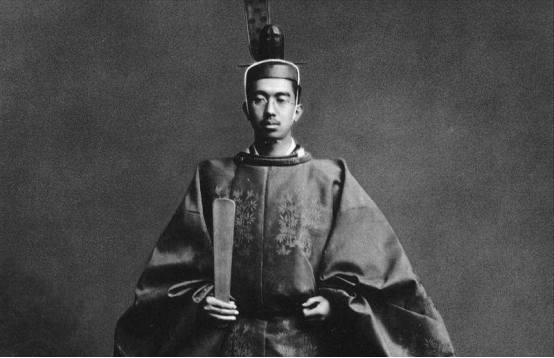
Following Japan’s surrender in August 1945, the Allied powers—led primarily by the United States—faced a monumental task: the reconstruction of a shattered nation. Central to this process was the fate of Emperor Hirohito, a figurehead who occupied a unique position in Japanese culture as a divine leader. The decision not to prosecute him for war crimes remains one of the most debated topics in 20th-century history.
The Shift from Demonization to Stabilization
Initial American policy toward Japan was heavily punitive. However, as the Cold War began to take shape, General Douglas MacArthur, the Supreme Commander for the Allied Powers (SCAP), recognized that a stable Japan was essential to curbing the spread of communism in East Asia. Prosecuting the Emperor, the ultimate symbol of Japanese national identity, risked mass civil unrest and a complete collapse of the social order.

Was Hirohito Really Innocent? Analyzing His Role
The question of whether Hirohito was a mere figurehead or an active participant in war planning has been the subject of intense academic scrutiny. Proponents of his innocence argued that he was a constitutional monarch controlled by a militaristic cabinet. Conversely, historians like Herbert Bix have argued that Hirohito was intimately involved in military decision-making, including the approval of the invasion of China and the attack on Pearl Harbor.
Strategic Immunity and Political Utility
The Allied decision to grant immunity was ultimately a pragmatic choice. By transforming the Emperor into a symbol of a new, democratic Japan, the Allies were able to legitimize the occupation and ensure the cooperation of the Japanese populace. This “reconstruction of the monarchy” allowed Japan to transition from an imperial power to a pacifist, democratic state without the trauma of a violent revolutionary purge.
| Factor | Strategic Impact |
|---|---|
| Social Stability | Prevented mass uprisings and civil war. |
| Geopolitical Strategy | Used the Emperor to anchor Japan to the Western bloc against the USSR. |
| Administrative Continuity | Allowed the existing government to facilitate surrender and reconstruction. |

The Legacy of the Tokyo Trials
While Hirohito was excluded from the International Military Tribunal for the Far East, other high-ranking officials were not. The Tokyo Trials, often compared to the Nuremberg Trials, sought to establish a precedent for international law regarding crimes against peace and humanity. The exclusion of the Emperor created a “legal vacuum” that critics argue undermined the moral authority of the trials.
Pro Tips for Understanding Post-War Japan
- Distinguish between Shinto-based “state divinity” and the personal agency of the man behind the throne.
- Examine the “MacArthur-Hirohito” meetings as the turning point for Japanese post-war governance.
- Look for contemporary documents, such as the “Monologue” (Dokuhakuroku), to understand Hirohito’s own defensive perspective.
Frequently Asked Questions (FAQ)
- Was the Emperor truly a divine figure to the Japanese public?
- Prior to 1945, State Shinto ideology promoted the belief that the Emperor was a living god. This belief was instrumental in the Japanese military’s morale but was largely dismantled by the Emperor’s 1946 “Humanity Declaration” (Ningen-sengen).
- Did the United States protect Hirohito to use him as a puppet?
- While not a puppet, the U.S. recognized that the Emperor was the only figure with enough authority to command the Japanese military to lay down their arms and accept the occupation peacefully.
- What were the primary arguments for his prosecution?
- Critics argued that failing to hold the head of state accountable for a war of aggression violated the principles of international justice and sent a message that leaders are above the law.
- How did the Japanese public react to his immunity?
- The majority of the Japanese public, exhausted by war and facing starvation, largely accepted the Emperor’s continued presence as a necessary element for national survival and stability.