The Sanctuary of Time: Beyond a Calendar Number
In Jewish philosophy, time is not merely a sequence of passing moments or a rigid calendar number; it is a sacred architecture. The concept of the “sanctuary of time” suggests that while physical temples can be destroyed, the palaces built in time through Sabbaths and festivals are indestructible. New Year’s Day, and indeed the entire cycle of Jewish holidays, serves as an invitation to step out of the mundane and enter a realm of elevated spiritual consciousness.
Unlike secular perspectives that view time as a straight line moving relentlessly forward, the Jewish understanding of time is cyclical and ascending. Each year, when a festival returns, it brings with it the specific spiritual energy of its original occurrence. This means that observing these days is not about reminiscing over ancient history, but rather about actively participating in a continuous, living tradition that shapes modern identity.
The Architecture of the Jewish Calendar
The Hebrew calendar is a masterpiece of spiritual synchronization, aligning lunar months with the solar year to ensure that holidays fall in their proper agricultural seasons. This dual alignment reflects a profound harmony between the natural world and divine timing.
- Lunar Rhythms: The reliance on the moon’s phases for the start of the month (Rosh Chodesh) symbolizes renewal and the capacity of the Jewish people to reflect light even in times of darkness.
- Solar Adjustments: The addition of a leap month (Adar I) ensures that Passover always occurs in the spring, connecting physical rebirth with spiritual liberation.
- Sacred Appointments: Known as “Moedim,” these festivals are literal appointments with the Divine, structured to guide individuals through an annual journey of repentance, joy, and freedom.
By immersing oneself in this sanctuary of time, individuals are granted the opportunity to pause, reflect, and recalibrate their moral compasses, ensuring that the passage of time is marked by spiritual growth rather than mere aging.

Rosh Hashanah: The Jewish New Year and Spiritual Awakening
Rosh Hashanah, translating literally to the “Head of the Year,” is a profound two-day observance that marks the beginning of the Jewish High Holy Days (Yamim Noraim). Unlike the raucous celebrations typical of secular New Year observances, Rosh Hashanah is characterized by deep introspection, solemn prayer, and a collective spiritual awakening. It is recognized as the anniversary of the creation of Adam and Eve, highlighting the unique relationship between humanity and the Creator.
This festival initiates the Ten Days of Repentance, culminating in Yom Kippur (the Day of Atonement). During Rosh Hashanah, it is believed that the Book of Life is opened, and the fate of every individual for the coming year is inscribed. This powerful imagery compels a thorough self-examination, known as Cheshbon Hanefesh (an accounting of the soul), urging individuals to mend broken relationships and seek forgiveness.
The Anatomy of Repentance (Teshuvah)
The process of Teshuvah, often translated as repentance but more accurately meaning “return,” is central to Rosh Hashanah. It is not a passive feeling of guilt, but an active, multi-step process of spiritual realignment.
- Recognition: Honestly acknowledging one’s mistakes and shortcomings over the past year.
- Remorse: Feeling genuine regret for actions that have harmed others or distanced oneself from spiritual ideals.
- Restitution: Taking concrete steps to apologize to those wronged and making amends wherever possible.
- Resolution: Committing firmly to changing one’s behavior in the future, ensuring that the same mistakes are not repeated.
Through Teshuvah, Rosh Hashanah transforms from a day of judgment into a day of profound hope, offering the reassurance that human beings possess the agency to change their narratives and renew their lives.

Core Rituals of Rosh Hashanah: The Shofar and Sweetness
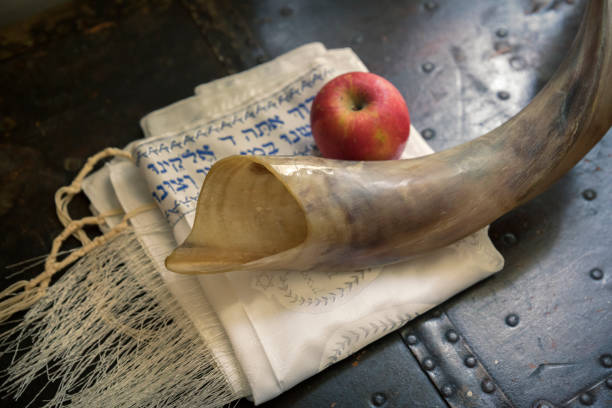
The abstract concepts of judgment and renewal during Rosh Hashanah are anchored in powerful, sensory rituals that engage the mind, body, and spirit. Foremost among these is the sounding of the Shofar, a hollowed-out ram’s horn. The piercing blasts of the Shofar serve as a spiritual alarm clock, rousing the soul from its moral slumber and calling it back to its divine source.
The sounds of the Shofar are carefully structured, each carrying a distinct emotional and spiritual resonance. The Tekiah is a long, unbroken blast symbolizing a coronation of the Divine; the Shevarim consists of three broken notes resembling weeping; and the Teruah is a staccato series of short notes, mimicking a frantic alarm or sobbing. Together, they represent the journey from wholeness to brokenness and back to a renewed state of being.
Symbolic Foods and the Tashlich Ceremony
The festive meals of Rosh Hashanah are laden with symbolic foods, known as Simanim, which serve as edible prayers for the year ahead. The most universally recognized tradition is dipping apples in honey, expressing the desire for a sweet new year. However, the culinary symbolism extends far beyond this.
- Round Challah: Unlike the braided loaves of the Sabbath, Rosh Hashanah challah is baked in rounds, representing the cyclical nature of the year and the eternal crown of the Creator.
- Pomegranates: Eaten with the hope that one’s merits will be as numerous as the seeds of the fruit.
- Fish Heads: Traditionally placed on the table to symbolize the blessing of being “at the head and not at the tail” in the coming year.
Another vital ritual is Tashlich, typically performed on the first afternoon of Rosh Hashanah. Participants gather by a flowing body of water and symbolically cast away their sins, often by tossing breadcrumbs or pebbles into the currents. This physical action provides a psychological release, helping individuals visually detach from their past transgressions and step into the new year unburdened.

Passover: A Recurring Escape and Ritual of Freedom
Passover, or Pesach, is often viewed merely as a historical commemoration of the Israelites’ Exodus from slavery in ancient Egypt. However, Jewish tradition demands a much more immersive approach. Passover is fundamentally a ritual of freedom, a recurring escape that takes place not just in the annals of history, but in the hearts and minds of participants today. The Haggadah, the central text of the holiday, explicitly states: “In every generation, a person is obligated to see themselves as if they had personally gone out of Egypt.”
This mandate transforms Passover from a static memory into a dynamic psychological exercise. The “Egypt” (Mitzrayim in Hebrew, literally translating to “narrow straits”) represents any form of physical, emotional, or spiritual confinement. Passover is an annual invitation to identify the narrow places in one’s own life—be it addiction, toxic relationships, societal pressures, or self-doubt—and to actively walk toward liberation.
The Dual Nature of Freedom
The freedom celebrated on Passover is not merely the absence of oppression; it is the presence of purpose. The Exodus narrative dictates that the Israelites were freed from Pharaoh’s servitude specifically to enter into a covenant at Mount Sinai. This establishes a profound philosophical framework for understanding liberty.
- Freedom From (Negative Liberty): The physical breaking of chains, escaping harsh labor, and surviving tyrannical decrees. This is the initial, essential step of the Exodus.
- Freedom To (Positive Liberty): The assumption of moral responsibility, ethical living, and community building. True freedom is achieved only when it is channeled into a meaningful and structured existence.
Through this lens, Passover teaches that unbridled freedom without moral boundaries leads to chaos, whereas freedom anchored in ethical responsibility leads to true human flourishing.

The Passover Seder: Experiencing the Exodus Today
The pinnacle of the Passover observance is the Seder, a meticulously structured, multi-sensory feast that brings the story of the Exodus to life. The word “Seder” itself means “order,” reflecting the 15 specific steps that guide participants through the evening. Through taste, storytelling, song, and ritual, the Seder ensures that the memory of liberation is viscerally experienced by every generation.
At the center of the table sits the Seder Plate, a visual and culinary map of the Exodus journey. Every item on the plate is a mnemonic device designed to provoke questions, particularly from the children, ensuring the transmission of the narrative.
Decoding the Seder Plate and Rituals
The elements of the Seder Plate encapsulate the bitterness of slavery and the sweetness of redemption, forcing participants to hold both realities simultaneously.
- Matzah (Unleavened Bread): The “bread of affliction” represents haste. The Israelites left Egypt so quickly their dough could not rise. It also symbolizes humility, stripped of the “puffed up” ego represented by yeast.
- Maror (Bitter Herbs): Usually horseradish, eaten to physically induce tears and recall the bitter sting of slavery.
- Charoset: A sweet paste of apples, nuts, wine, and spices, resembling the mortar used by the Israelite slaves to build Egyptian storehouses. It reminds us that even in bitter labor, there is the sweetness of hope.
- The Four Cups of Wine: Consumed at specific intervals during the Seder, these cups represent the four promises of redemption made by God in the Book of Exodus: “I will bring you out,” “I will deliver you,” “I will redeem you,” and “I will take you.”
By engaging in these rituals, families do not just read a story; they ingest it. The Seder is a masterclass in experiential education, proving that the most enduring way to preserve a culture’s core values is to weave them into the very fabric of family life and communal dining.

Purim: The Ultimate Celebration of Life and Survival
If Passover is the solemn, structured narrative of national birth, Purim is the exuberant, unbridled celebration of national survival. Occurring in the late winter/early spring, Purim commemorates the salvation of the Jewish people in the ancient Persian Empire from Haman’s plot to annihilate them, as recorded in the Book of Esther. It is a festival characterized by overwhelming joy, laughter, and a deliberate inversion of the normal social order.
The unique aspect of the Purim story is the concept of hiddenness. Strikingly, the Book of Esther is one of the only books in the Hebrew Bible that does not mention God’s name explicitly. The miracles of Purim are not grand, sea-splitting events; they are subtle, political maneuverings and seemingly coincidental timings. This teaches a profound theological lesson: the Divine presence operates just as powerfully behind the scenes of ordinary human history as it does in overt miracles.
The Masks We Wear and the Truth Beneath
The theme of concealment permeates the holiday. Queen Esther hides her Jewish identity until the crucial moment, and the Divine hand is hidden behind the veil of political intrigue. This historical reality birthed one of Purim’s most beloved traditions: masquerading and wearing costumes.
- Shattering the Ego: By donning a costume, individuals temporarily shed their everyday societal roles and egos, allowing a deeper, uninhibited joy to emerge.
- Revealing the Hidden: Paradoxically, wearing a mask on Purim is meant to reveal the profound truth that our everyday identities are often just masks themselves, and that our true, joyful essence remains hidden beneath the surface of daily anxieties.
Through feasting and revelry, Purim asserts that survival is not just about avoiding death, but about embracing life with radical, defiant joy.

Purim Traditions: Megillah, Masks, and Charity
The explosive joy of Purim is channeled through four specific Mitzvot (commandments) that ensure the celebration is not merely a self-indulgent party, but a community-building enterprise. These obligations require active participation, generosity, and an immersion into the narrative of the Book of Esther.
The foundational ritual is the reading of the Megillah (the scroll of Esther) both at night and during the day. This reading is far from a quiet, dignified affair. It is an interactive, raucous event where the congregation actively participates in blotting out the name of the villain, Haman. Every time his name is mentioned, listeners spin groggers (noisemakers), stamp their feet, and shout, fulfilling the biblical command to erase the memory of Amalek, the archetypal enemy of the Jewish people from whom Haman is descended.
The Pillars of Purim Joy
Beyond the Megillah reading, the joy of Purim is structurally designed to spread outward, ensuring that no member of the community is left in isolation or need.
- Mishloach Manot (Sending Portions): Every individual is obligated to send at least two different types of ready-to-eat food to at least one friend. This practice fosters unity, repairs fractured relationships, and ensures everyone has provisions for the festive meal.
- Matanot La’evyonim (Gifts to the Poor): The joy of a Jewish festival is incomplete if it is not shared with the vulnerable. On Purim, there is a strict obligation to give monetary gifts to at least two people in need. In fact, Jewish law dictates that one should spend more on the poor than on their own festive meal.
- Seudat Purim (The Festive Meal): The holiday culminates in a grand feast held during the day, featuring wine, meat, and traditional pastries like Hamantaschen (triangle-shaped cookies representing Haman’s ears or hat). It is a time of singing, sharing Torah insights, and unrestrained gratitude.
These four pillars ensure that the celebration of survival is firmly rooted in social justice, communal solidarity, and a profound appreciation for life.

Weaving the Festivals: The Annual Cycle of Renewal
When viewed holistically, Rosh Hashanah, Passover, and Purim are not isolated events but interconnected threads in the grand tapestry of the Jewish year. Together, they create an emotional and spiritual ecosystem that sustains Jewish identity through centuries of triumph and adversity. They provide a comprehensive framework for understanding the human condition, addressing our need for introspection, our yearning for freedom, and our capacity for joy.
Rosh Hashanah demands that we look inward, confronting our flaws and committing to a higher moral standard. It establishes the baseline of personal responsibility. Passover then takes this renewed individual and places them within the context of a community, demanding that they fight against oppression and strive for collective liberation. Finally, Purim teaches that despite the heavy burdens of morality and history, life must be celebrated with irrepressible joy and laughter.
The Enduring Legacy of Sacred Time
This annual cycle ensures that the Jewish people are never stagnant. The sanctuary of time provides a rhythm that continuously pulls individuals out of despair and complacency.
- Continuous Education: The festivals serve as an immersive educational system, transmitting complex theological and historical concepts through accessible, sensory rituals.
- Resilience Building: By rehearsing narratives of escape from slavery and survival against annihilation, the holidays instill a deep-seated psychological resilience.
- Communal Bonding: The shared experiences of fasting, feasting, praying, and rejoicing forge unbreakable bonds within the community, transcending geographical and generational divides.
Ultimately, to participate in these festivals is to step into a living stream of history. It is a declaration that time is not a master to be feared, but a sanctuary to be inhabited, filled with the endless potential for freedom, joy, and spiritual renewal.

Frequently Asked Questions (FAQ)
- Q1: How does the Jewish concept of a “New Year” differ from the secular New Year?
- While the secular New Year is often celebrated with parties and resolutions focused on self-improvement or material goals, Rosh Hashanah is a deeply spiritual and solemn occasion. It focuses on repentance, divine judgment, and a moral accounting of the soul (Cheshbon Hanefesh). The celebration is marked by synagogue services, the blowing of the Shofar, and prayers for a year of peace and spiritual growth.
- Q2: Why is the Shofar blown on Rosh Hashanah, and what do the different sounds mean?
- The Shofar, a ram’s horn, is blown to awaken the soul to repentance. The sounds mimic human crying and serve as a spiritual alarm clock. The Tekiah is a long, unbroken blast signifying God’s kingship; the Shevarim consists of three broken notes resembling weeping; and the Teruah is a series of nine rapid, staccato notes mimicking a frantic alarm. Together, they represent the journey of breaking down the ego and returning to a state of wholeness.
- Q3: What is the main difference between the types of freedom celebrated on Passover and Purim?
- Passover celebrates national liberation from physical slavery and the birth of the Jewish nation, emphasizing a structured, moral freedom bound by the covenant at Sinai. Purim, on the other hand, celebrates survival from physical annihilation. While Passover is solemn and heavily structured (like the Seder), Purim is characterized by uninhibited joy, hidden miracles, and a celebration of life through feasting, costumes, and charity.
- Q4: Why do Jewish people wear costumes on Purim?
- Wearing costumes on Purim stems from the theme of hiddenness in the Book of Esther, where God’s name is never explicitly mentioned, and Queen Esther hides her Jewish identity until the right moment. Costumes remind participants that the Divine presence often operates behind the “masks” of natural events and political history, and they also allow individuals to shed their everyday egos to access a deeper, unbridled joy.
- Q5: What does the concept of the “Sanctuary of Time” mean in Judaism?
- Coined by philosopher Abraham Joshua Heschel, the “Sanctuary of Time” refers to the idea that Judaism builds its most sacred spaces not in physical architecture, but in time itself. Sabbaths and festivals are “palaces in time.” Because time cannot be destroyed by conquering armies, this concept has allowed Jewish traditions and spiritual life to endure and thrive regardless of geographical displacement or the loss of physical temples.