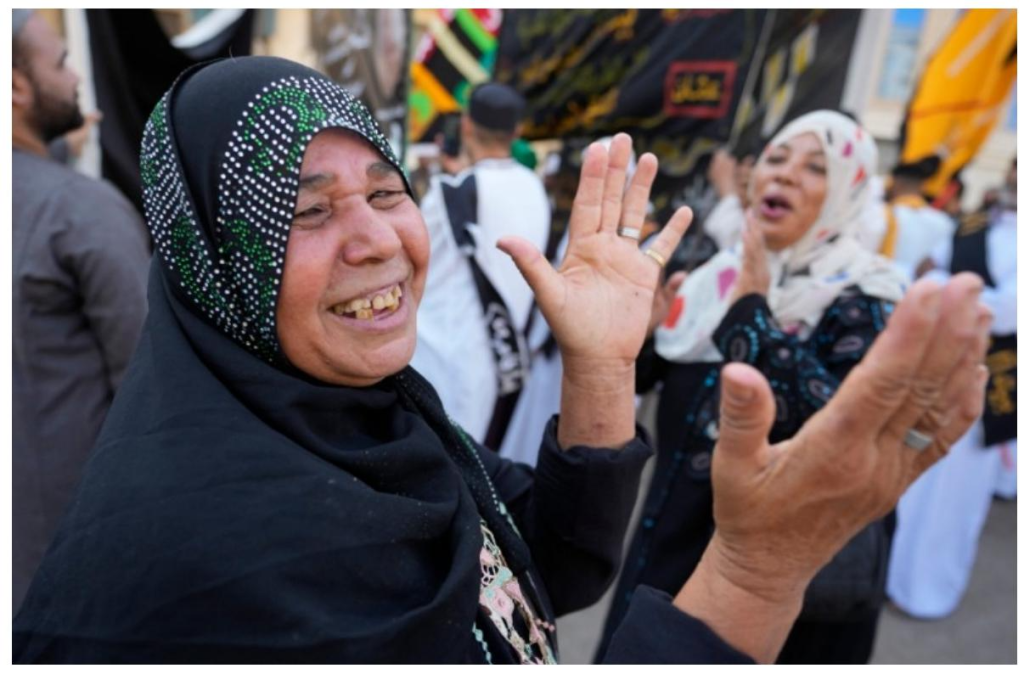
The Islamic New Year, also known as the Hijri New Year or Al-Hijra, marks the beginning of a new lunar year on the first day of Muharram. Unlike the festive and often boisterous celebrations associated with the Gregorian New Year, the Islamic New Year is a time of deep spiritual significance, historical remembrance, and quiet reflection for nearly two billion Muslims globally.
The Historical Significance of the Hijri Calendar
The Islamic calendar does not begin with the birth of a prophet or a military victory, but with an act of migration known as the Hijra. In 622 CE, Prophet Muhammad and his followers migrated from Mecca to Medina to escape persecution and establish a community built on justice and faith.
The Origin of the Year Zero
The decision to make the Hijra the starting point of the Islamic era was made during the caliphate of Umar ibn al-Khattab. It was chosen because the migration represented a turning point—a transition from oppression to sovereignty and the formal establishment of the Ummah (the Muslim community).
Lunar vs. Solar Reckoning
The Hijri calendar is strictly lunar, consisting of 12 months in a year of 354 or 355 days. Because it is shorter than the solar Gregorian calendar by approximately 11 days, Islamic holidays rotate through the seasons over a 33-year cycle.

How Muslims Observe the New Year
Celebrations vary significantly across the Muslim world, but the underlying theme is one of spiritual renewal. There are no fireworks or countdowns; instead, the focus remains on internal growth and community welfare.
Spiritual Reflection and Prayer
Many Muslims spend the evening of the New Year in mosques or at home, engaging in “Dhikr” (remembrance of God) and offering special prayers. It is a time to look back at the past year’s shortcomings and make “Niyyah” (intention) for improvement in the year to come.
The Importance of Muharram
Muharram is one of the four sacred months in Islam. Fighting is traditionally forbidden during this time, and the rewards for good deeds are believed to be multiplied. Many Muslims choose to fast during the first ten days, culminating in the Day of Ashura.
Technical Comparison: Hijri vs. Gregorian Calendars
Understanding the differences between these two systems is essential for tracking religious duties like Ramadan, Hajj, and the New Year.
| Feature | Hijri Calendar | Gregorian Calendar |
|---|---|---|
| Basis | Lunar (Moon cycles) | Solar (Sun cycles) |
| Year Length | 354-355 Days | 365-366 Days |
| Start of Day | Sunset | Midnight |
| Current Era | AH (Anno Hegirae) | AD (Anno Domini) |
Expert Tips for Meaningful Observance
For those looking to deepen their connection during the Islamic New Year, consider these strategic practices:
-
Historical Study:
Read a detailed biography (Seerah) of the Prophet to understand the hardships faced during the Hijra. -
Charitable Giving:
Start the year with “Sadaqah” (voluntary charity) to bring blessings into your wealth. -
Family Gatherings:
While not a religious requirement, many families share a meal and discuss the lessons of the Hijra with children. -
Fasting:
Observe the fast on the 9th and 10th (or 10th and 11th) of Muharram to follow the Sunnah.
Frequently Asked Questions (FAQ)
-
Is Islamic New Year a public holiday?
- In many Muslim-majority countries, such as Saudi Arabia, the UAE, Indonesia, and Egypt, it is an official public holiday. In Western countries, it is not a public holiday, but many Muslims take the day off for personal reflection.
-
Do Muslims exchange gifts on the New Year?
- While not a universal tradition like Eid al-Fitr, some cultures do exchange small gifts or “Eidi” to encourage children to learn about the Islamic calendar.
-
What is the significance of the 10th of Muharram?
- Known as the Day of Ashura, it marks the day Prophet Musa (Moses) was saved from the Pharaoh. For Shia Muslims, it also commemorates the martyrdom of Imam Hussain at the Battle of Karbala.
-
Why does the date change every year?
- Because the lunar calendar is 11 days shorter than the solar calendar, the New Year moves backward through the Gregorian calendar every year.
-
Is there a specific prayer for the New Year?
- There is no “mandatory” prayer specifically for the New Year, but many scholars recommend reciting the “Dua of the New Year” to seek protection and guidance.