The Strategic Evolution of Precision Decapitation Operations
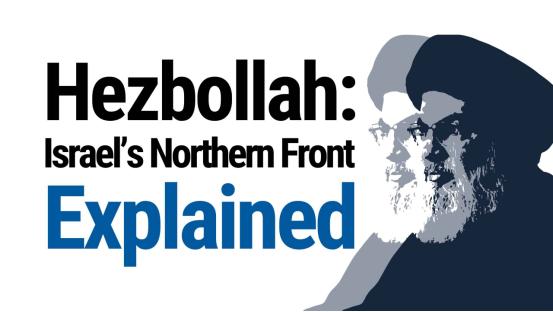
Modern warfare in the Middle East has shifted from traditional state-on-state conflict to complex, intelligence-led asymmetric engagements. At the heart of this transition is Israel’s “Precision Decapitation” strategy—a doctrine focused on the targeted elimination of high-value leadership within non-state militant organizations.
Defining the Doctrine of Targeted Neutralization
This strategy is not merely about physical elimination; it is about systemic disruption. By removing key nodes in an organization’s command-and-control hierarchy, Israel aims to create a “leadership vacuum” that forces the adversary into a state of structural paralysis, preventing coordinated attacks and degrading long-term strategic planning capabilities.
Intelligence Gathering and Operational Execution
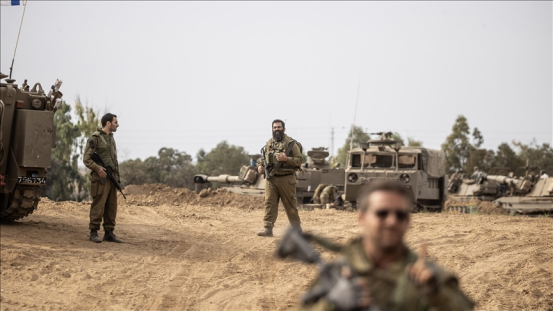
The success of these operations relies on a multi-layered intelligence apparatus. It integrates signals intelligence (SIGINT), human intelligence (HUMINT), and advanced geospatial data to track targets with unprecedented accuracy.
Technological Pillars of Modern Warfare
The integration of AI-driven surveillance and real-time data processing allows for the identification of patterns that were previously invisible. This has turned modern urban environments into battlegrounds where information is the primary weapon.
| Component | Strategic Function |
|---|---|
| SIGINT | Intercepting communication to map command chains. |
| HUMINT | Verifying target location and behavioral patterns. |
| Precision Munitions | Minimizing collateral damage while ensuring target neutralization. |
Geopolitical Implications for the Middle East
The implementation of these operations fundamentally alters regional power dynamics. When leadership is constantly threatened, organizations often shift toward more decentralized, autonomous cells, which can ironically lead to unpredictable and less disciplined militant activities.
The Shift from Conventional Deterrence
Traditional deterrence relied on the threat of large-scale military invasion. Today, the threat is permanent and pervasive. This “perpetual state of insecurity” forces adversaries to divert resources away from offensive operations toward internal counter-intelligence and survival measures.
Frequently Asked Questions (FAQ)
- What is the primary goal of a decapitation strike?
- The goal is to dismantle the command structure of an adversary, thereby reducing their ability to execute complex, coordinated military operations.
- How does this affect regional stability?
- It creates a volatile environment where organizations may lash out impulsively or struggle to maintain internal cohesion, often leading to localized surges in violence.
- Are these tactics considered effective in the long term?
- Effectiveness is debated; while it provides short-term tactical advantages, critics argue it does not address the underlying political grievances that fuel militancy.
- How has technology changed these operations?
- Advanced sensor fusion and AI have drastically reduced the time between target identification and execution, making it nearly impossible for leadership to remain hidden for long periods.