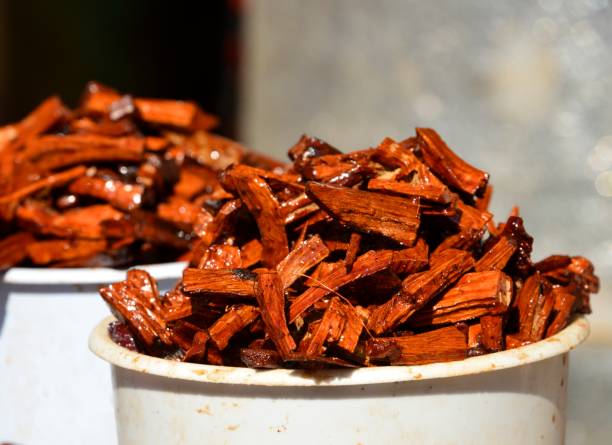
For millennia, the warm, woody, and unmistakably serene fragrance of sandalwood has permeated temples, monasteries, and sacred spaces across Asia. More than just a pleasant aroma, sandalwood is a cornerstone of spiritual practice in both Buddhism and Taoism. Its significance is woven into the very fabric of ritual, meditation, and devotion. This guide explores the deep-rooted importance of sandalwood, examining its historical journey, its distinct roles within these two great traditions, and its enduring power to connect the material world with the divine. We will uncover why this sacred wood is not merely used but venerated as a powerful tool for purification, focus, and spiritual awakening.
The Ancient Roots of Sandalwood’s Veneration
The reverence for sandalwood is not a recent phenomenon; it is a legacy stretching back thousands of years, originating in the Indian subcontinent. The tree itself, primarily from the Santalum album species, is a slow-growing hemiparasite, making its fragrant heartwood a rare and precious commodity. This rarity, combined with its unique aromatic properties, destined it for sacred use.
From Ancient India to East Asia
The earliest texts from ancient India describe sandalwood’s use in religious ceremonies and as a cooling, medicinal paste. As Buddhism spread from India along the Silk Road and maritime routes, so did the demand for sandalwood. It became a key item of trade, valued as highly as spices and gems. Monks and merchants carried not just the wood, but the cultural and spiritual practices associated with it, embedding it deeply into the religious landscapes of China, Japan, and Southeast Asia.
The Science of the Scent
The core of sandalwood’s power lies in its chemical composition, particularly the compounds santalol. These molecules are responsible for the wood’s distinctive, long-lasting fragrance. On a psychoactive level, the scent is known to have a calming effect on the central nervous system. This is “The Why” behind its use in meditation; the aroma actively helps reduce anxiety and mental chatter, making it easier for practitioners to achieve states of deep concentration and mindfulness.

Sandalwood in Buddhist Practice: A Path to Enlightenment
In Buddhism, sandalwood is considered one of the most sacred scents, intimately linked to the life of the Buddha and the path to awakening. Its fragrance is believed to transform worldly desires and help purify the mind and body.
The Scent of Mindfulness: Incense in Meditation
The most common use of sandalwood in Buddhism is as incense. When burned during meditation, the smoke is seen as a purifying agent, cleansing the space of negative energies and distractions. More importantly, the scent serves as an olfactory anchor for the mind. It helps practitioners stay present and focused, gently guiding a wandering mind back to the breath. The rising smoke also symbolizes the prayers and aspirations of the practitioner ascending to the heavens and the enlightened beings.
The Art of Devotion: Carvings and Mala Beads
Beyond incense, sandalwood’s fine grain and enduring fragrance make it a prized material for carving sacred objects. Statues of Buddhas and Bodhisattvas are often carved from sandalwood, as the material itself is believed to hold sacred energy. Similarly, mala beads (prayer beads) used for chanting mantras are frequently made from sandalwood. As the practitioner uses the beads, the warmth of their hands releases the subtle fragrance, creating a holistic sensory experience that deepens their devotional practice. The scent clings to the skin, serving as a constant reminder of their vows and intentions.

The Taoist Embrace of Sandalwood: Fostering Harmony
In Taoism, the focus is on living in harmony with the Tao—the natural order of the universe. Sandalwood is a key element in rituals and practices designed to balance energy (Qi), purify spaces, and facilitate communication with the divine.
Aligning with the Tao: Ritual and Energy Flow
Taoist temples burn high-quality sandalwood incense during ceremonies to purify the ritual space and create a sacred atmosphere conducive to communing with deities and spirits. The fragrance is believed to clear stagnant Qi and promote a smooth, harmonious flow of energy. This aligns with Taoist principles of creating balance both in the external environment and within the practitioner’s own body.
A Bridge to the Divine Realm
The smoke from sandalwood incense is seen as a conduit, a bridge between the human realm and the realm of the gods and ancestors. It is an offering that carries the practitioner’s prayers and requests upwards. In many Taoist rituals, specific incantations are recited as the incense is lit, charging it with intention and spiritual power. It is an essential tool for showing respect and establishing a connection with the celestial bureaucracy of the Taoist pantheon.

Comparing Roles: Sandalwood in Buddhism vs. Taoism
While both traditions hold sandalwood in high esteem, their focus and application reveal subtle differences in their core philosophies. Buddhism emphasizes its use as a tool for internal cultivation and mindfulness, while Taoism often uses it as a medium for external communication and energetic harmony.
| Aspect | Buddhism | Taoism |
|---|---|---|
|
Primary Purpose |
To calm the mind, aid meditation, reduce worldly desires, and purify the self. | To purify ritual space, balance Qi, and communicate with deities and ancestors. |
|
Symbolic Meaning |
Represents purity, mindfulness, and the enlightened mind. | Represents harmony, respect for the divine, and a bridge between worlds. |
|
Common Forms |
Incense sticks/coils, mala beads, carved statues of Buddhas. | Incense sticks/powders, carved talismans, and ritual implements. |
|
Core Philosophy |
Focus on internal awakening and breaking the cycle of samsara. | Focus on harmony with the natural order (Tao) and longevity. |
Expert Advice for Using Sandalwood Authentically
Incorporating sandalwood into your own spiritual or wellness practice can be a profound experience. However, it’s crucial to do so with awareness and respect, especially given the ecological status of true Indian Sandalwood.
A Checklist for Conscious Use
-
Source Ethically:
True Indian Sandalwood (Santalum album) is endangered and highly regulated. Opt for ethically sourced Australian Sandalwood (Santalum spicatum) or other sustainable varieties, which offer similar, though slightly different, aromatic profiles. -
Identify Authenticity:
Real sandalwood oil is viscous and has a rich, complex, and persistent scent. Synthetic versions often smell harsh, one-dimensional, and fade quickly. For wood, look for a fine, consistent grain and a scent that is released with gentle warmth. -
Choose the Right Form:
For meditation, high-quality, low-smoke incense sticks or coils are ideal. For purifying a space, using a censer with sandalwood powder or chips can be more effective. For personal scent, a drop of diluted essential oil is perfect. -
Practice with Intention:
Whether lighting incense or holding a mala, take a moment to set an intention. Acknowledge the history and sacredness of the material. This simple act transforms its use from a mere sensory experience to a mindful ritual.
Frequently Asked Questions (FAQ)
-
Why is genuine sandalwood so expensive?
- True Indian Sandalwood (Santalum album) is extremely expensive due to its rarity. The tree must mature for at least 15-30 years before its heartwood develops the prized fragrant oil. Over-harvesting has led to it being a protected species, and legal supplies are scarce and government-controlled, driving up the price significantly.
-
What is the difference between Indian and Australian sandalwood?
- Indian Sandalwood has a classic sweet, creamy, and rich woody scent. Australian Sandalwood (Santalum spicatum) has a sharper, greener, and more resinous aroma. While both have calming properties, the Indian variety is traditionally considered more spiritually potent and aromatically complex.
-
Can the scent of sandalwood really reduce anxiety?
- Scientific studies have shown that key compounds in sandalwood, like santalol, have a relaxing effect on the central nervous system. The aroma can help lower heart rate, reduce stress markers, and promote a state of calm, making it an effective tool for managing mild anxiety and improving sleep quality.
-
Is it disrespectful to use sandalwood if I’m not Buddhist or Taoist?
- No, it is not inherently disrespectful. Sandalwood is used in many cultures and wellness practices. The key is to use it with respect and awareness of its sacred origins. Using it mindfully for meditation, relaxation, or to create a peaceful atmosphere in your home is a wonderful way to honor its properties, regardless of your personal faith.